

What's Happening?
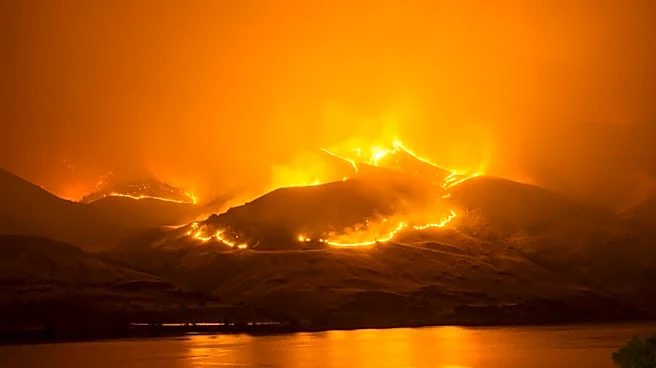
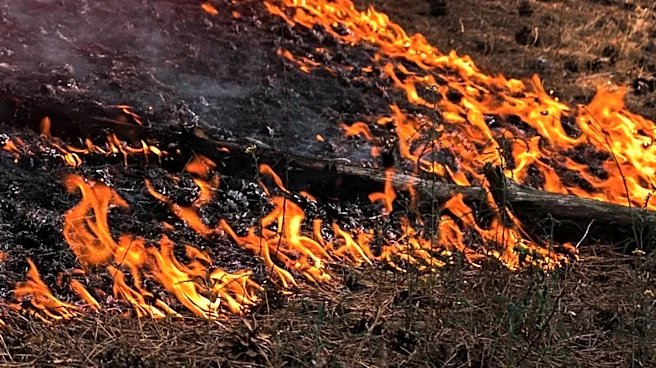
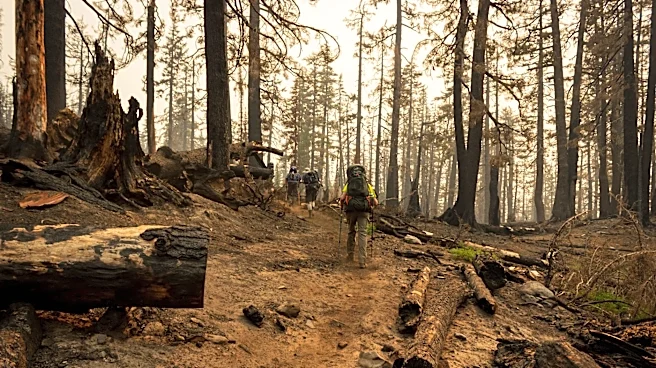
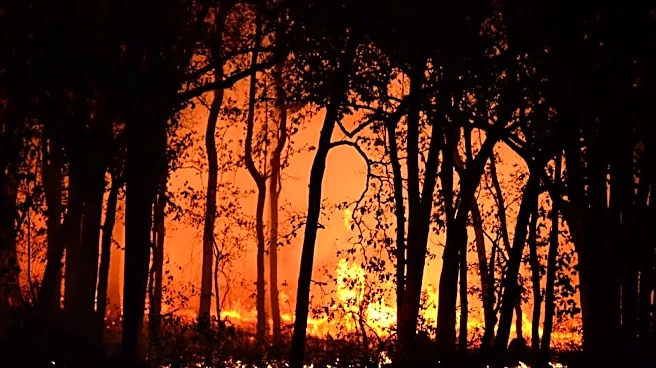
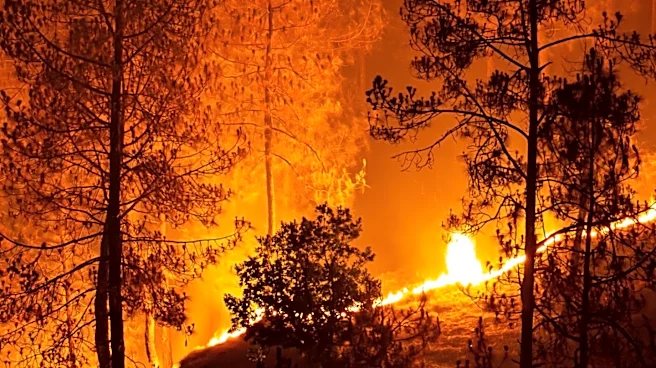
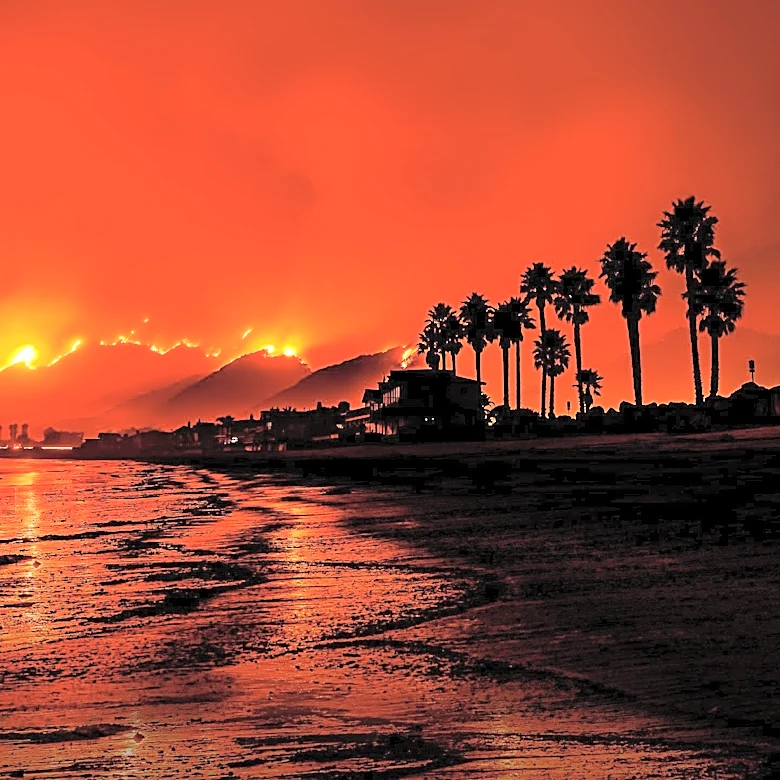
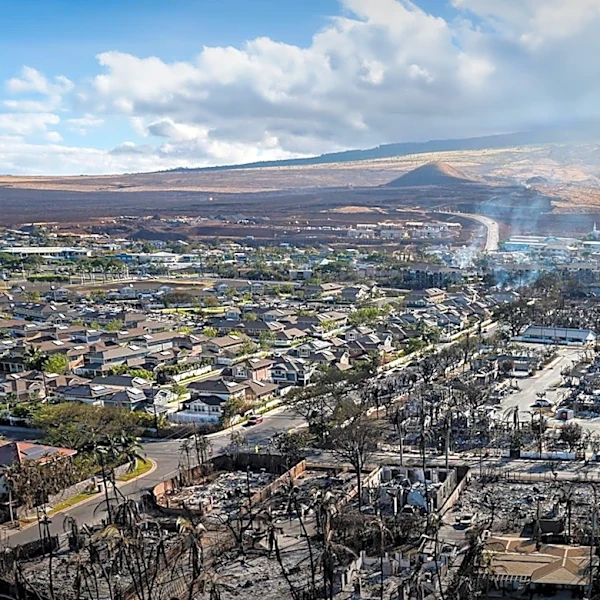
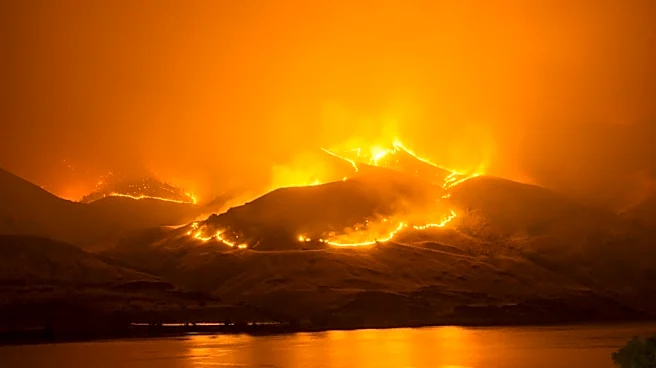
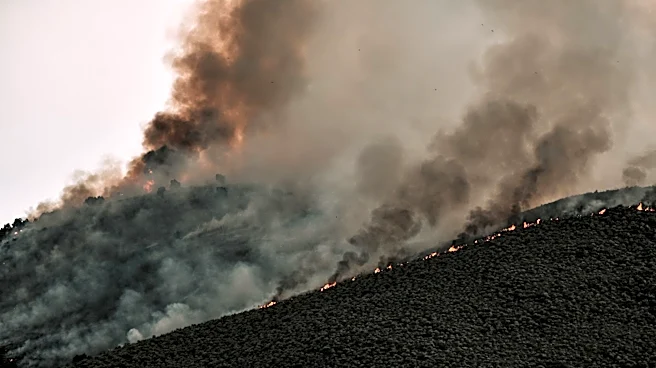
A severe heatwave is affecting the western United States, particularly in Oregon and Washington, where low humidity and strong winds have heightened the risk of wildfires. The National Weather Service has issued warnings for extreme temperatures, with
forecasts predicting highs between 110F and 120F in the southwest and 90s in the Pacific Northwest. Washington Governor Bob Ferguson has temporarily banned outdoor burning to mitigate the risk. The state is experiencing a significant wildfire season, exacerbated by a lack of snowpack and reliance on snowmelt for water resources.
Why It's Important?
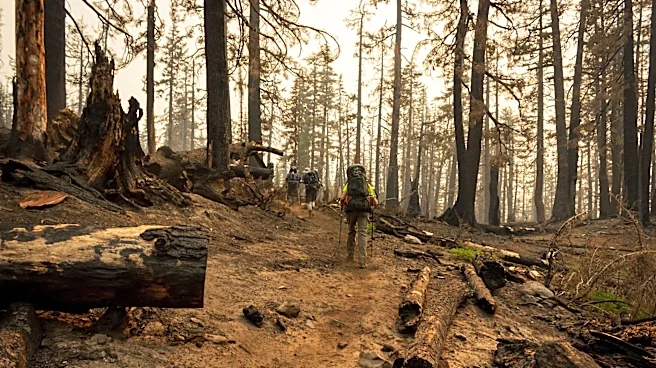
The heatwave and resulting fire risks pose significant threats to public safety, property, and natural resources. The increased frequency and intensity of wildfires can lead to substantial economic losses, strain on emergency services, and long-term environmental damage. The situation underscores the broader impacts of climate change, which is contributing to more extreme weather patterns and prolonged droughts. The response to these conditions will test the resilience of local infrastructure and emergency management systems.
What's Next?
Authorities are likely to continue monitoring weather conditions closely and may extend or expand restrictions on outdoor activities to prevent new fires. Efforts to contain existing wildfires will be prioritized, with resources potentially being reallocated from other areas. The situation may prompt further discussions on climate adaptation strategies and the need for improved water management practices in drought-prone regions.