




What's Happening?
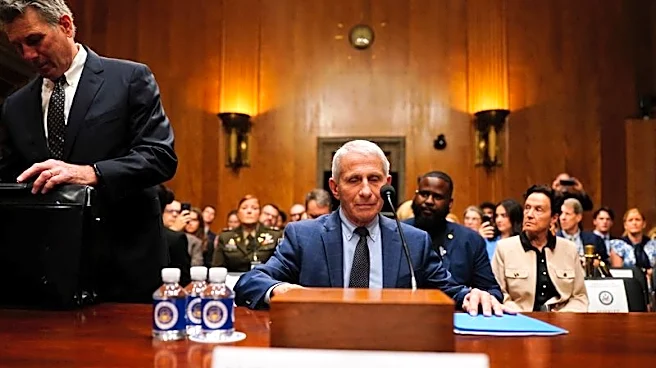
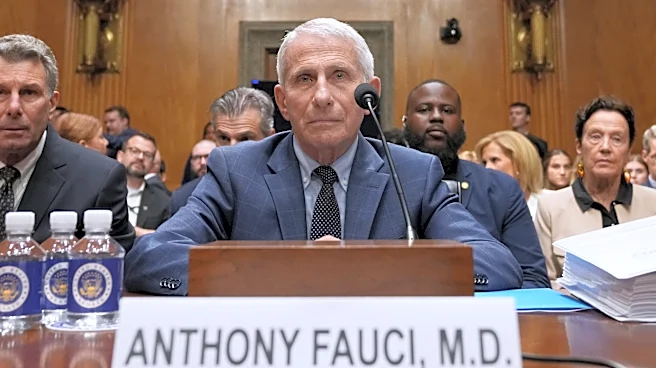
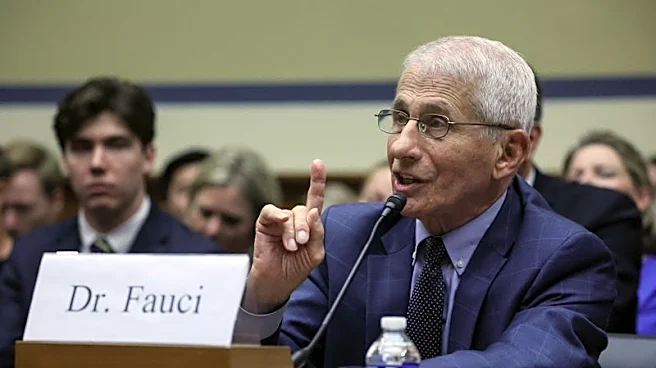
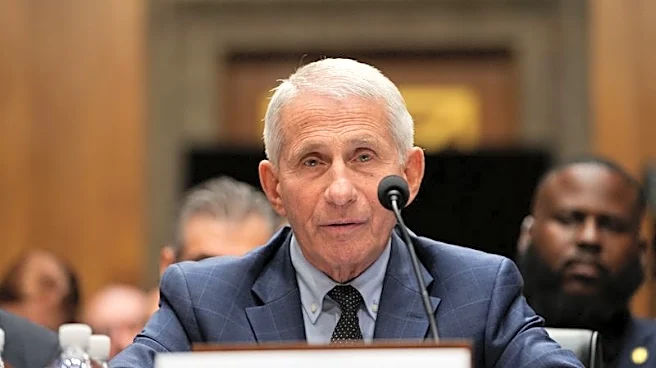
Dr. Anthony Fauci, the former head of the U.S. COVID-19 response, is facing renewed scrutiny from Senator Rand Paul regarding the origins of the coronavirus. During a Senate committee hearing, Paul accused Fauci of misleading the public about the pandemic's
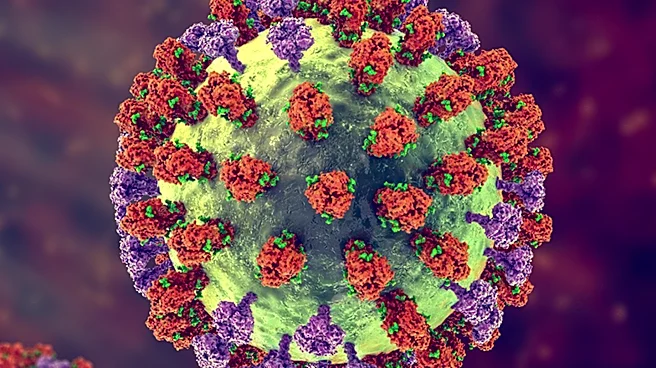
origins and the role of NIH-funded research in China. Paul released pages from Fauci's diary, suggesting discrepancies between his private notes and public statements. Fauci has consistently denied these allegations, emphasizing that the virus likely emerged naturally, similar to other coronaviruses like SARS and MERS. The hearing focused on whether NIH-funded research, particularly through the EcoHealth Alliance, contributed to the pandemic. Fauci reiterated that the research in question could not have led to the pandemic virus, describing it as 'molecularly impossible.' Despite a GOP-led subcommittee finding no evidence of Fauci's wrongdoing, the debate continues to fuel partisan divides.
Why It's Important?
The ongoing debate over the origins of COVID-19 and the role of U.S. funding in Chinese research has significant implications for public trust in health institutions and government transparency. The accusations against Fauci, a prominent figure in the pandemic response, highlight the political tensions surrounding the handling of the crisis. This scrutiny could influence future policies on scientific research funding and international collaborations. The controversy also underscores the challenges in communicating scientific uncertainties to the public, which can affect compliance with health measures and vaccine uptake. The outcome of these hearings may impact Fauci's legacy and the public's perception of the pandemic response.
What's Next?
As the hearings continue, further investigations into the origins of COVID-19 and the role of gain-of-function research are expected. The Trump administration's recent pause on federally funded gain-of-function research and new oversight rules indicate a shift towards more stringent regulations. These developments may lead to changes in how scientific research is conducted and funded, particularly in high-risk areas. The scientific community and policymakers will likely engage in ongoing discussions to balance research innovation with safety and ethical considerations. The hearings may also prompt legislative actions to address perceived gaps in oversight and accountability.