





What's Happening?
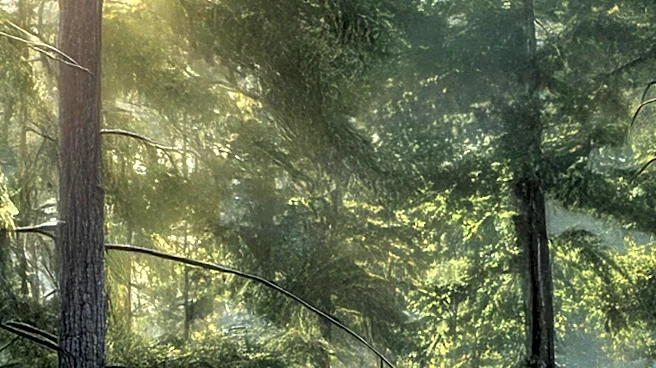
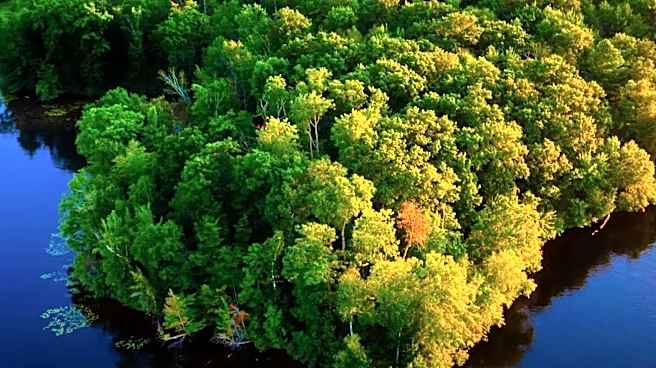
The U.S. Forest Service is facing criticism for its proposal to clearcut a 16.2-acre section of old-growth forest, known as Unit 346, on Prince of Wales Island within the Tongass National Forest in Alaska. This specific area is described as one of the last
remaining intact old-growth groves on an island where 94% of such forests have already been logged since 1954. The proposed logging is part of a larger plan to cut 1,655 acres across northern Prince of Wales Island. Unit 346 is characterized by ancient spruces and cedars, some over 11 feet wide, with significant ecological value, including active bear and potentially wolf denning structures. Environmental advocates argue that the area's grandeur and ecological importance are comparable to national treasures like Sequoia or Redwood National Parks, making its destruction a significant loss. The Draft Environmental Impact Statement (DEIS) for the project has concluded its public comment period, but new findings regarding the unique nature of Unit 346 are being submitted to the Forest Service.
Why It's Important?
The proposed clearcutting of Unit 346 in the Tongass National Forest highlights a critical conflict between resource extraction and conservation in U.S. public lands. The Tongass, as the largest national forest in the U.S., plays a vital role in carbon sequestration, biodiversity, and supporting local economies. The logging of old-growth forests, which take centuries to develop, has irreversible ecological consequences, including habitat loss for species like bears and wolves, and the reduction of natural carbon sinks. This situation underscores ongoing debates about the management of national forests, particularly the balance between timber harvesting and preserving pristine ecosystems. The decision on Unit 346 could set a precedent for how remaining old-growth forests are managed across the country, impacting conservation efforts and the long-term health of these invaluable natural resources. The economic benefits of logging are often weighed against the ecological services and intrinsic value of these ancient forests, affecting stakeholders from local communities to national environmental groups.
What's Next?
Environmental groups, including SEACC and Earthjustice, are preparing to challenge the Forest Service's decision in court, leveraging the new findings about Unit 346's ecological significance. Public pressure is being directed at Forest Service officials, including Barbara Miranda, Deputy Forest Supervisor of Tongass National Forest, to remove Unit 346 from the Twin Mountain II logging project. Activists are urging individuals to contact the Forest Service to inquire about the rationale behind logging such a critical old-growth stand, the scope of wildlife analysis conducted, and the recorded tree diameters. The Forest Service will proceed with writing the final environmental impact statement, taking into account all submitted information. The outcome of this specific case could influence future logging proposals in the Tongass and other national forests, potentially leading to policy adjustments regarding old-growth forest protection or increased legal challenges from conservation organizations.
Beyond the Headlines
The controversy surrounding Unit 346 extends beyond a single logging project, touching upon deeper ethical and cultural dimensions of land stewardship. The comparison of this 16.2-acre plot to iconic national parks like Sequoia and Redwood underscores a perceived disconnect in how different old-growth forests are valued and protected within the U.S. federal land system. It raises questions about the long-term vision for national forests: are they primarily resources for timber and other commodities, or are they irreplaceable ecological and cultural heritage sites? The narrative also highlights the resilience of nature, with ancient stumps serving as reminders of past logging, and the slow, complex process of ecological recovery. This situation could catalyze broader public engagement in forest management policies, fostering a re-evaluation of the 'Roadless Rule' and the administration's approach to timber harvesting in remaining old-growth areas, potentially shifting public perception towards greater preservation of these unique ecosystems.