
What's Happening?
Doug LaMalfa, a Republican congressman from Northern California, has passed away at the age of 65. LaMalfa, a fourth-generation rice farmer and business owner, was a respected figure in Washington, particularly
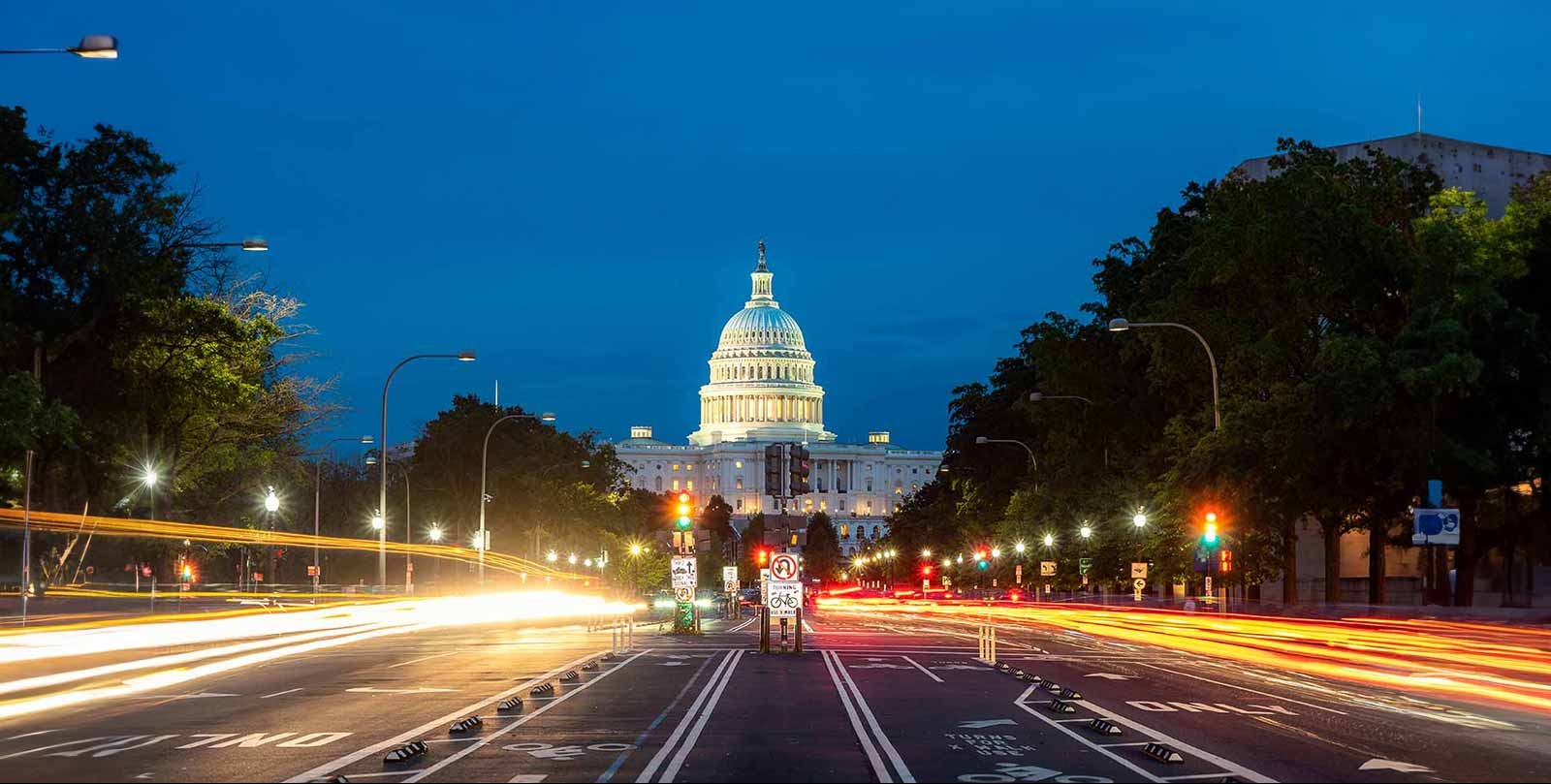
on issues related to agriculture and rural communities. He served as the chairman of the Congressional Western Caucus and was influential in Congress's response to wildfires in California. His death was announced by House GOP leadership, and it has immediate implications for the Republican majority in the House of Representatives. With LaMalfa's passing, the Republican majority is reduced to 218 against 213 Democrats, allowing Speaker Mike Johnson only a two-vote margin in any party-line vote. A special election will be held to fill LaMalfa's seat, which is expected to remain Republican as it is a district that President Trump won by a significant margin.
Why It's Important?
LaMalfa's death further narrows the already slim Republican majority in the House, complicating legislative efforts and party-line votes. This development underscores the fragility of the current political balance in the House, where even a small number of defections could shift the outcome of critical votes. The special election to fill LaMalfa's seat will be crucial in maintaining the Republican hold on the district, especially as Democrats have redrawn the district lines for the upcoming midterms. The situation highlights the ongoing challenges faced by the Republican leadership in managing a thin majority and the potential for increased political maneuvering as both parties vie for control.
What's Next?
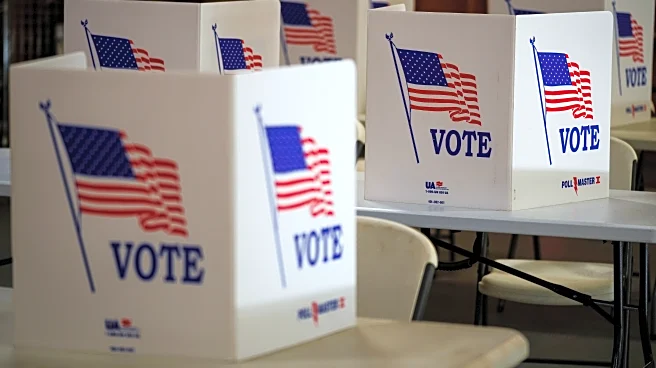
California will conduct a special election to replace LaMalfa, with the expectation that the seat will remain Republican due to the district's historical voting patterns. Meanwhile, the Republican leadership will need to navigate the legislative agenda carefully, given the reduced margin for error in party-line votes. The outcome of the special election and any further developments in the House could significantly impact the legislative priorities and strategies of both parties as they prepare for the 2026 midterms.