








What's Happening?
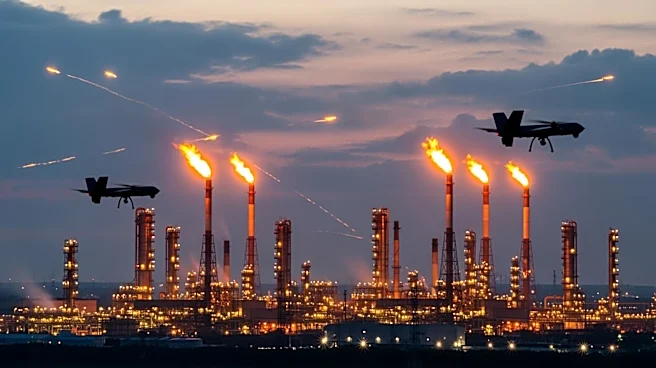
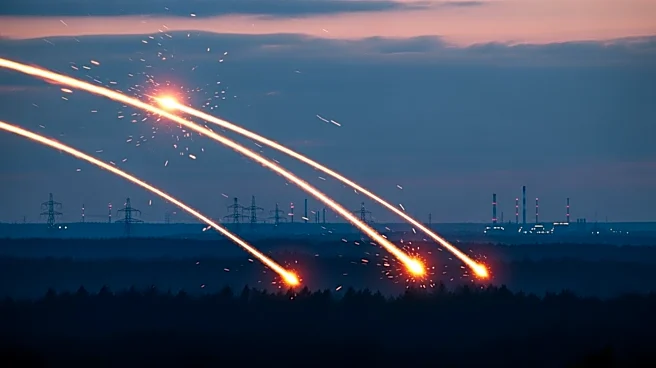
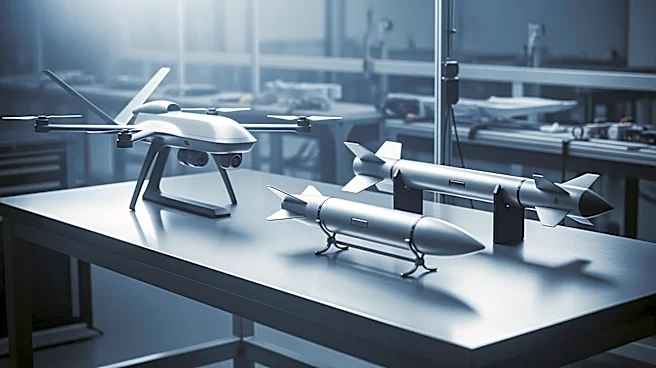
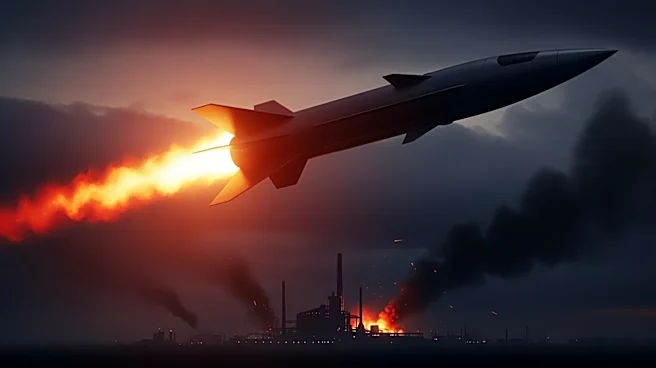
Ukraine has launched a missile attack using its domestically produced Flamingo missiles on a Russian military facility in Cheboksary, a city in Russia's central Chuvashia region. This facility is known for supplying components for drones and missiles to
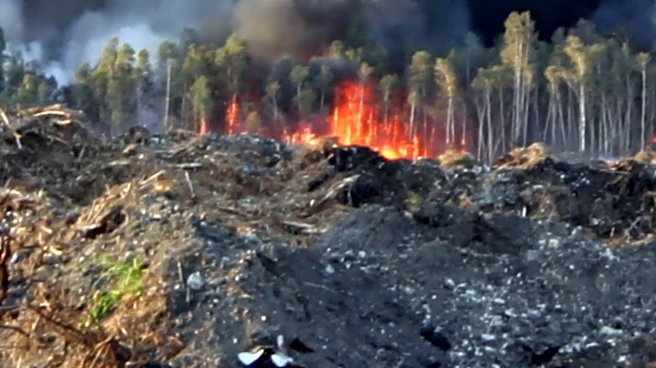
Moscow's forces. The attack was confirmed by Ukrainian President Volodymyr Zelenskyy, who stated that the strike is part of Ukraine's long-range sanctions against Russian military facilities and the oil industry. The regional governor of Cheboksary, Oleg Nikolayev, acknowledged the attack, noting efforts to assess casualties and infrastructure damage. The VNIIR-Progress plant, which produces antennas for drones, was specifically targeted. This strike is part of a broader Ukrainian offensive that also hit oil infrastructure in Russia's Samara and Vladimir regions.
Why It's Important?
The missile strike represents a significant escalation in the ongoing conflict between Ukraine and Russia, highlighting Ukraine's increasing military capabilities and willingness to target strategic Russian assets far from the front lines. The use of the Flamingo missile, with its long-range capabilities, underscores Ukraine's ability to strike deep into Russian territory, potentially altering the strategic calculations of both nations. This development could lead to heightened tensions and further military engagements, impacting regional stability. The attack also signals Ukraine's intent to disrupt Russian military supply chains, which could have broader implications for Russia's military operations and its industrial sector.
What's Next?
The immediate aftermath of the attack will likely involve assessments of damage and casualties by Russian authorities, as well as potential retaliatory measures. The international community may respond with diplomatic efforts to de-escalate tensions, though further military actions from either side cannot be ruled out. Ukraine's continued development and deployment of advanced missile technology could lead to increased support from Western allies, potentially influencing the dynamics of military aid and cooperation. Russia may also seek to bolster its air defense systems in response to the demonstrated reach of Ukrainian missiles.
Beyond the Headlines
The attack raises questions about the future of military technology development in Ukraine and its implications for European security. The involvement of Ukrainian companies in developing advanced missile systems could lead to new defense collaborations with European nations, particularly in creating integrated air defense systems. This could shift the balance of military power in the region and influence NATO's strategic planning. Additionally, the attack highlights the ethical and legal challenges of targeting military facilities that are intertwined with civilian infrastructure, potentially leading to broader discussions on the rules of engagement in modern warfare.