



What's Happening?
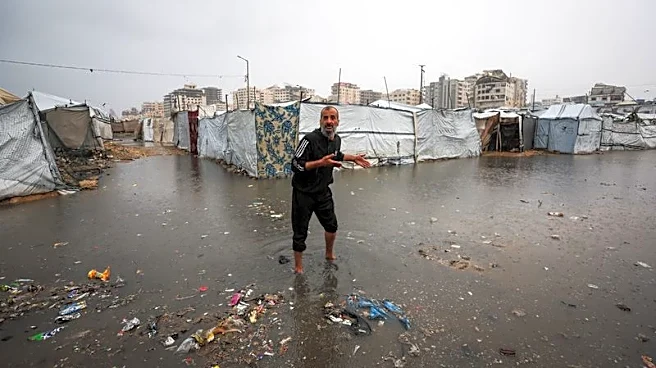
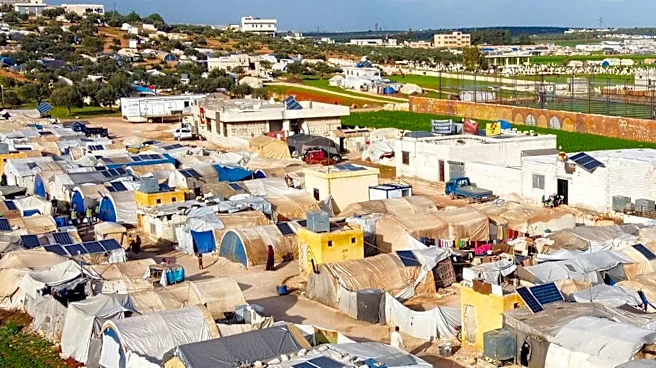
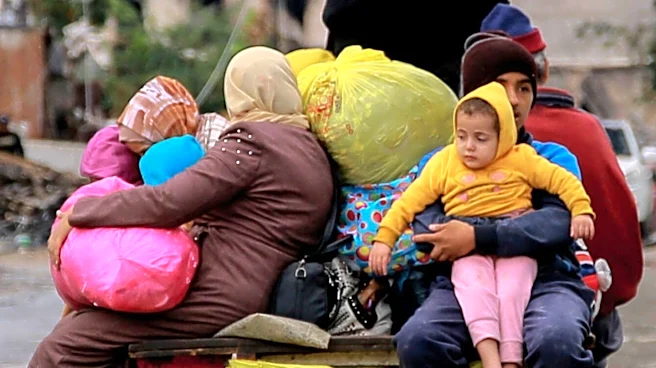
Syrian refugees in Lebanon are experiencing multiple layers of displacement and hardship, as detailed by a 41-year-old man from Homs, Syria, who has resided in Lebanon since 2012. Originally fleeing conflict in Syria, his family has been displaced again
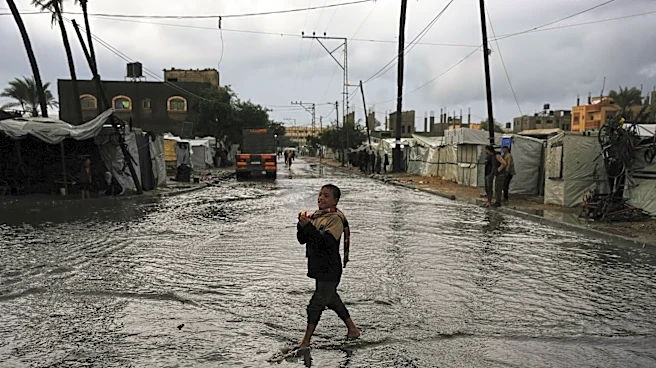
due to the 2024 war between Israel and Hezbollah, and subsequently in March 2026 when fighting resumed. This has forced them to move to shelters in Sidon, where conditions are overcrowded and tensions are rising among Lebanese and Syrian families. The individual highlights the deteriorating economic situation in Lebanon since 2019, with the collapse of the Lebanese pound and increased prices, which has exacerbated anti-Syrian sentiment. Many refugees, including the interviewee, lack valid residency documents, making access to essential services like healthcare and education difficult and precarious. The family's house in Homs is severely damaged, and despite the fall of the regime in late 2024, the conditions for return to Syria are still deemed unsafe and unstable.
Why It's Important?
This situation underscores the profound and prolonged humanitarian crisis affecting Syrian refugees, particularly in neighboring countries like Lebanon. The repeated displacement and lack of legal status create a cycle of vulnerability, impacting their ability to secure basic necessities, education for their children, and stable livelihoods. The economic downturn in Lebanon further strains resources and fuels social tensions, making it increasingly difficult for refugees to integrate or even survive. The narrative illustrates the complex challenges of long-term displacement, where temporary stays become permanent and the hope for return is constantly undermined by ongoing regional conflicts and instability. The lack of documentation not only restricts movement and access to services but also perpetuates a state of fear and uncertainty, highlighting a critical gap in international and national support mechanisms for displaced populations.
What's Next?
The immediate future for Syrian refugees in Lebanon, such as the family described, remains uncertain. Without legal papers and permission to work, their ability to establish a stable life is severely limited. The ongoing regional conflicts, particularly the renewed fighting between Israel and Hezbollah, suggest that further displacement and instability are possible. The individual expresses a desire for a legal and safe place where he can work and his children can study, whether in Syria, Lebanon, or another country. However, all current options present significant difficulties. The need for sustained humanitarian assistance, legal pathways for residency and work, and long-term solutions for safe return or resettlement will continue to be critical. The international community and host governments face the challenge of addressing both the immediate humanitarian needs and the systemic issues that perpetuate the refugee crisis.
Beyond the Headlines
The plight of Syrian refugees in Lebanon reveals deeper implications concerning the ethics of international responsibility and the long-term consequences of protracted conflicts. The erosion of hope and the constant struggle for survival highlight the psychological toll of displacement on individuals and families. The growing resentment towards Syrians in Lebanon, fueled by economic hardship, points to the broader societal challenges of hosting large refugee populations without adequate international support. This situation also raises questions about the effectiveness of current aid structures, as assistance is often insufficient to meet the vast needs. The narrative of a family repeatedly displaced and struggling for basic rights underscores the urgent need for more robust and sustainable policies that prioritize human dignity, legal protection, and pathways to self-sufficiency for those caught in geopolitical crises, rather than merely providing temporary relief.