
What's Happening?
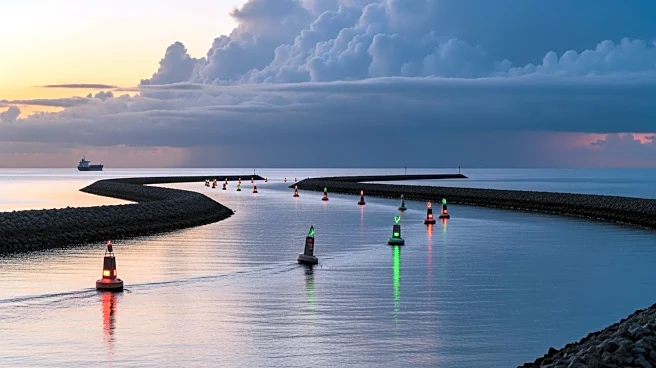
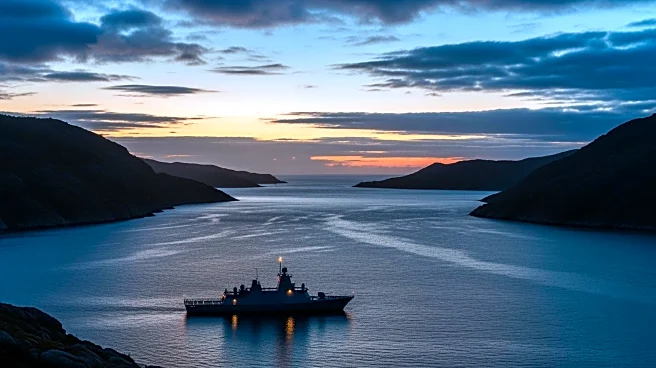
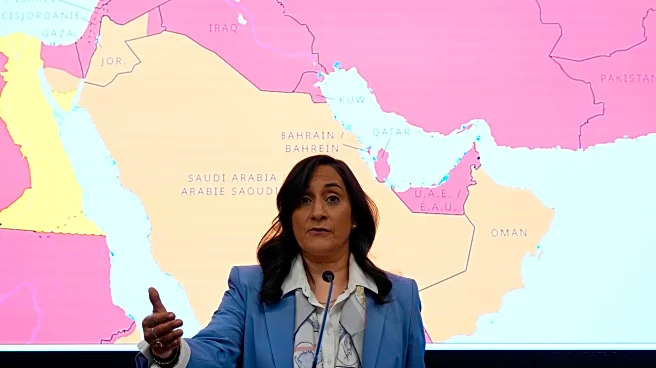
In a joint statement, the United Kingdom, France, Germany, Italy, the Netherlands, and Japan have expressed their readiness to contribute to efforts ensuring safe passage through the Strait of Hormuz. This comes amid heightened tensions as Iran has been
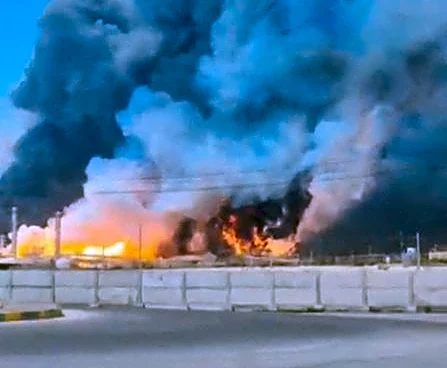
accused of attacks that threaten international shipping and global energy supply chains. The statement, issued by UK Prime Minister Keir Starmer's office, calls on Iran to cease its aggressive actions, including the laying of mines and missile attacks. The strait, a critical chokepoint for global oil shipments, has been effectively closed due to ongoing conflicts, with numerous commercial vessels reporting attacks. The leaders emphasized the importance of freedom of navigation as a fundamental principle of international law, highlighting the global impact of Iran's actions, particularly on vulnerable populations.
Why It's Important?
The commitment by these nations to ensure safe passage through the Strait of Hormuz is significant due to the strait's strategic importance in global oil transportation. Disruptions in this region can lead to increased oil prices and economic instability worldwide. The involvement of major European nations and Japan underscores the international community's concern over Iran's actions and the potential threat to global peace and security. The situation also highlights the geopolitical complexities in the region, with the potential to affect international relations and economic policies. The call for Iran to halt its aggressive actions reflects a unified stance against threats to international shipping and energy supply chains.
What's Next?
The next steps involve diplomatic efforts to de-escalate tensions and ensure the reopening of the Strait of Hormuz to commercial shipping. The international community, including NATO, may engage in further discussions and planning to address the security challenges in the region. Potential reactions from Iran and other stakeholders will be closely monitored, as any escalation could have significant implications for global energy markets and international relations. The situation may also prompt discussions on enhancing maritime security and cooperation among nations to prevent future disruptions.