







What's Happening?
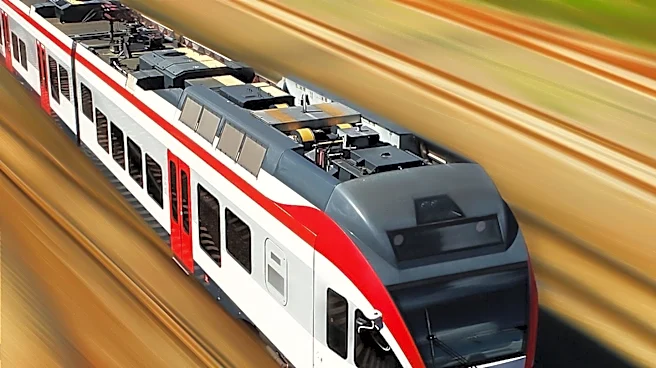
Amtrak's Acela Express provides a premium high-speed rail service along the Northeast Corridor (NEC), connecting major cities like Washington D.C. and New York. The Acela Express can reach speeds of up to 150 mph, making it the fastest way to travel between
Washington and New York, with an approximate journey time of 3 hours and 20 minutes. This service offers both First Class and Business Class accommodations, which include comfortable seating, meal service, and access to a quiet car. Business Class tickets typically start around $200, while First Class tickets can exceed $500. The Acela Express operates with multiple departures every hour from 7 AM to 11:30 PM, providing amenities such as food and beverage service, electrical outlets, and free Wi-Fi at every seat. In First Class, passengers can enjoy a meal service from the onboard café, which offers sandwiches, salads, and snacks. For Business Class passengers, a quiet car with priority seating is available. The Acela is part of Amtrak's broader offerings on the NEC, which also include the more affordable Northeast Regional train.
Why It's Important?
The Acela Express plays a crucial role in connecting key economic and political hubs on the U.S. East Coast, offering a vital transportation link for business travelers, government officials, and tourists. Its high-speed service reduces travel time significantly compared to other modes of transport, fostering greater efficiency for individuals needing to move between Washington D.C., Philadelphia, and New York. The premium amenities, such as Wi-Fi and power outlets, cater to the needs of professionals who require connectivity and productivity while traveling. The pricing structure, with First Class tickets reaching over $500, indicates a market for luxury and convenience, reflecting the economic value placed on time and comfort by a segment of travelers. The frequent schedule of multiple departures every hour enhances accessibility and flexibility, supporting the dynamic pace of business and government activities in the region. The Acela's existence also highlights the ongoing demand for efficient intercity rail travel in a corridor often congested with road and air traffic.
What's Next?
Amtrak will likely continue to maintain and potentially upgrade the Acela Express service to meet evolving passenger demands and technological advancements. Given the premium nature of the service, there may be ongoing efforts to enhance onboard amenities, improve speed, or expand capacity to accommodate more travelers. The competitive landscape with other transportation options, such as air travel and bus services, will likely drive Amtrak to continuously evaluate its pricing strategies and service offerings. Future developments could include the introduction of newer train sets, further reductions in travel times, or adjustments to the schedule to optimize passenger convenience. Additionally, as infrastructure projects continue along the Northeast Corridor, there is potential for the Acela to benefit from improved tracks and signaling systems, which could further enhance its speed and reliability. Travelers can anticipate continued efforts to make the booking process more streamlined and to offer various fare options to cater to different budgets and travel preferences.
Beyond the Headlines
The Acela Express represents more than just a mode of transportation; it symbolizes a commitment to modern, efficient public infrastructure in a densely populated and economically critical region of the U.S. Its success underscores the potential for high-speed rail to alleviate congestion on roads and in airports, contributing to broader environmental and urban planning goals. The service also reflects a cultural shift towards valuing convenience and productivity during travel, particularly among business professionals. The existence of a premium rail service like Acela highlights disparities in travel options, where those with higher incomes can access faster, more comfortable journeys, while more affordable, slower options like the Northeast Regional cater to a different demographic. This dynamic influences regional mobility patterns and access to opportunities. Furthermore, the Acela's operation on the Northeast Corridor, a historically significant rail line, connects the past with future aspirations for advanced transportation networks in the United States.