





What's Happening?
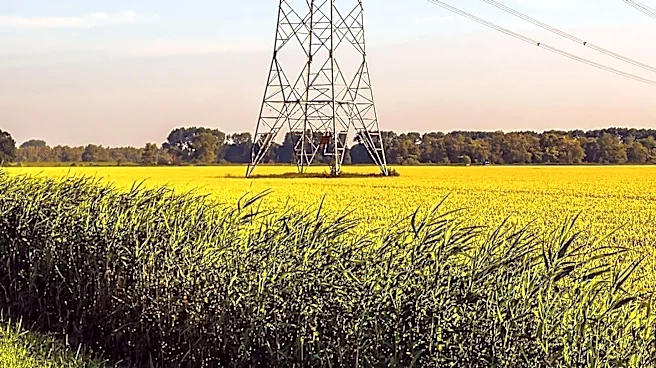
State utility investigators in West Virginia have formally moved to either pause or dismiss the certificate application for NextEra Energy Transmission MidAtlantic's proposed MidAtlantic Resiliency Link (MARL) transmission line. On August 19, Public Service
Commission (PSC) Staff Attorneys Victoria L. Wilson and Lucas R. Head filed a motion requesting the Commission to mandate a minimum 60-day 'tolling' period for NextEra. If NextEra declines this pause, the Staff has recommended the application be entirely dismissed due to its incompleteness. The PSC Staff operates as an independent investigative body, representing the public interest, though the final decision rests with the PSC's three-member Board of Commissioners. A companion engineering memorandum from Daniel Egnatoff, Technical Analyst with the Commission’s Engineering Division, highlighted that NextEra’s late and untimely route changes have prevented investigators from completing necessary field studies. These revisions reportedly affected previously unidentified West Virginia landowners, potentially violating their due process rights by not allowing sufficient time for participation in public hearings or testimony preparation. The Staff determined these route changes are material and would increase the project's cost by nearly $1 million.
Why It's Important?
This development is significant for West Virginia residents and the energy sector, as it directly impacts the potential construction of a major transmission line and raises questions about regulatory oversight and public interest. The PSC Staff's concerns about NextEra's route changes and the potential for West Virginia families to bear higher electricity costs for a project primarily serving out-of-state data centers in Northern Virginia highlight a critical debate over local economic burden versus regional energy needs. The motion also underscores the importance of due process for landowners, as late route revisions allegedly denied them adequate time to engage in public hearings. The strong opposition from local organizing group West Virginians Against Transmission Injustice (WATI), which submitted 56 new petitions, further emphasizes community concerns regarding the project's impact on home construction plans and agricultural run-off. The legal challenges, including objections from NextEra's legal team regarding an unlicensed engineering witness, add another layer of complexity, suggesting potential weaknesses in the project's foundational planning and execution. Senator Shelley Moore Capito's previously expressed concerns about the financial burden on local ratepayers also indicate the political weight of this issue.
What's Next?
The PSC's three-member Board of Commissioners will make the final decision regarding the motion to pause or dismiss NextEra's MARL transmission line project. A 60-day tolling period, if approved, would delay the previously scheduled final decision on the MARL certificate from March 2027. NextEra's response to the PSC Staff's motion and their willingness to agree to a pause will be crucial. If NextEra refuses, the application could face outright dismissal. The ongoing legal challenges, including the objections raised by NextEra's legal team concerning their engineering witness, will also continue to unfold. Local groups like WATI are expected to maintain their advocacy, given the significant number of formal protests already recorded against the line. The outcome will set a precedent for how large-scale energy infrastructure projects are reviewed and approved in West Virginia, particularly concerning landowner rights, environmental impact, and the financial implications for ratepayers.
Beyond the Headlines
The situation surrounding NextEra's MARL transmission line project extends beyond immediate regulatory hurdles, touching upon broader themes of energy policy, corporate accountability, and community rights. The PSC Staff's questioning of whether West Virginia families would subsidize power lines primarily benefiting out-of-state data centers highlights a growing tension between regional energy demands and local economic equity. This raises ethical considerations about who benefits from such infrastructure and who bears the costs and environmental impacts. The criticism of NextEra's late discovery of terrain-related construction problems, despite the terrain not being an 'emergent phenomenon,' points to potential systemic issues in project planning and due diligence within large corporations. Furthermore, the significant number of formal protests (5,988 against versus 152 in support) indicates a substantial disconnect between corporate objectives and public sentiment, underscoring the importance of transparent and inclusive public engagement processes in infrastructure development. This case could influence future regulatory frameworks, pushing for more stringent requirements for project completeness, early identification of impacts, and robust public consultation to ensure that such developments align with the long-term interests of affected communities.