







What's Happening?
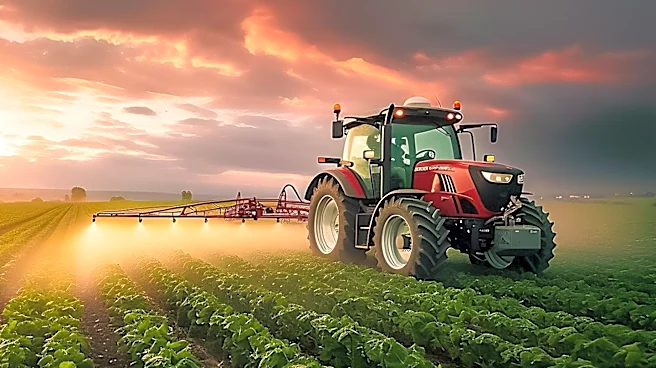
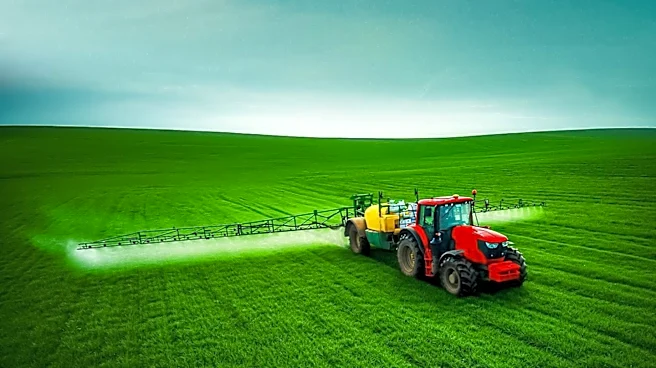
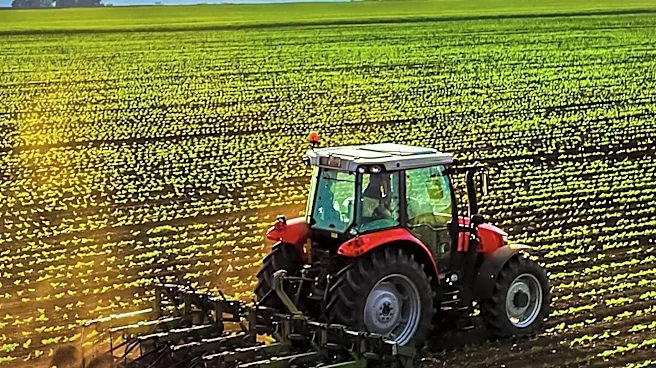
The evolution of American agriculture over the past 250 years has been marked by significant innovations, including the introduction of tractors, fertilizers, and electricity. These advancements have transformed farming from extensive to intensive practices,
increasing yield per acre and improving efficiency. The development of lightweight tractors in the early 1900s, made affordable through mass production, revolutionized agriculture by enabling more farmers to mechanize their operations. Innovations in fertilizers and pesticides further enhanced productivity, demonstrating the critical role of technology in agricultural progress.
Why It's Important?
These innovations have been pivotal in meeting the growing demand for food and fiber, supporting population growth and economic development. The mechanization of agriculture has reduced labor requirements and increased efficiency, allowing farmers to produce more with less. This transformation has also had environmental and social implications, influencing land use, rural economies, and food systems. Understanding the history of agricultural innovation provides valuable lessons for addressing current and future challenges in food production and sustainability.