





What's Happening?
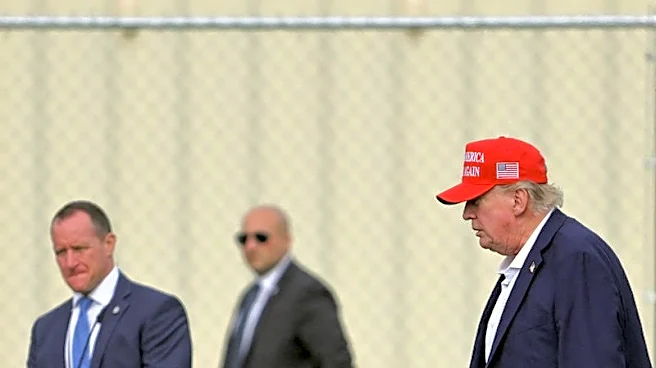
President Trump has issued a threat to launch strikes against Oman if it obstructs ongoing discussions between Washington and Tehran regarding the Strait of Hormuz. This statement was made in an interview with Fox News as the June US-Iran memorandum of understanding
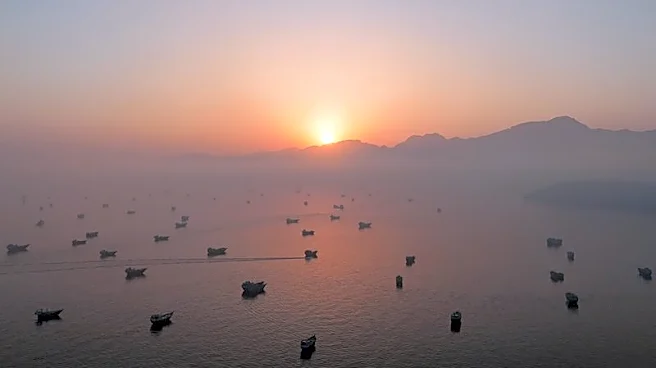
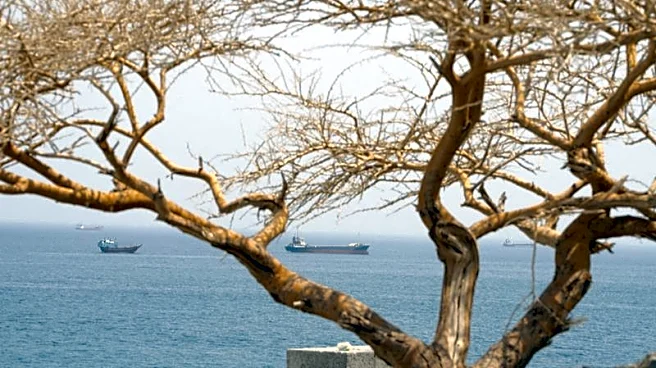
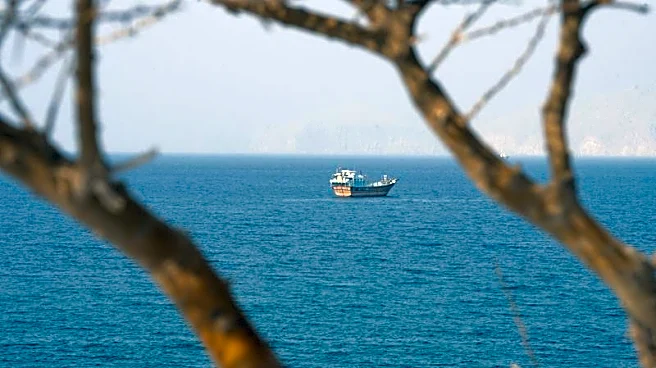
expired. The memorandum had given both nations 60 days to finalize a deal. Iran and Oman have been engaged in talks to establish a secure passage for commercial shipping through the Strait, a critical chokepoint for global oil and gas transit. Iranian Foreign Minister Abbas Araghchi indicated that negotiations were in their 'final stages,' but stressed that reopening the Strait depended on additional 'conditions.' Iranian Foreign Ministry spokesperson Esmaeil Baghaei confirmed that talks are continuing, with an 'understanding' reached on the 'navigation route map' for the Strait, which handles approximately a quarter of the world's seaborne oil trade. Despite these diplomatic efforts, President Trump has consistently asserted US control over the Strait, which Tehran effectively closed following the outbreak of the Iran war in late February. He recently posted on Truth Social, stating, 'The U.S.A. has total control over the Strait of Hormuz. I THINK WE WILL KEEP IT.' These remarks have drawn a strong reaction from Tehran, with Iran's Deputy Foreign Minister Kazem Gharibabadi asserting that the Strait 'has been Iranian, is Iranian, and will remain Iranian,' and that its closure and opening are solely under Iran's command.
Why It's Important?
President Trump's threat against Oman introduces significant geopolitical instability in a region already fraught with tension, particularly concerning the critical Strait of Hormuz. This waterway is a vital artery for global energy markets, with a substantial portion of the world's seaborne oil trade passing through it. Any disruption, or the threat of military action, could lead to a sharp increase in oil prices, impacting global economies and directly affecting U.S. consumers and industries reliant on stable energy supplies. The U.S. has a strategic interest in maintaining freedom of navigation through the Strait, and President Trump's aggressive stance could be interpreted as an attempt to assert dominance and pressure Iran into a more favorable agreement. However, it also risks alienating regional allies like Oman, who are attempting to mediate a resolution. The situation highlights the delicate balance of power and the potential for miscalculation in international diplomacy, with economic stakeholders facing uncertainty due to potential supply chain disruptions and increased operational costs. The U.S. energy sector, while increasingly self-sufficient, remains interconnected with global markets, meaning price volatility would still have domestic repercussions.
What's Next?
The immediate focus will be on the reactions from Oman and Iran to President Trump's latest threat, and whether these statements will derail the ongoing negotiations for a secure passage through the Strait of Hormuz. The expiration of the initial US-Iran memorandum of understanding means that a new agreement is urgently needed to prevent further escalation. International bodies and other global powers are likely to closely monitor the situation, potentially urging de-escalation and a return to diplomatic solutions. The U.S. administration will need to clarify its position and strategy regarding the Strait, especially given the conflicting signals of negotiation and military threats. Businesses involved in global shipping and energy will be closely watching for any developments that could impact trade routes and fuel prices. The coming days will reveal whether the threat is a negotiating tactic or a precursor to more direct action, and how regional and international actors will respond to safeguard their interests and maintain stability in this critical maritime corridor.
Beyond the Headlines
President Trump's rhetoric regarding the Strait of Hormuz and his threat against Oman underscore a broader shift in international relations, where traditional diplomatic norms are increasingly challenged by more assertive and confrontational approaches. This development could have long-term implications for the role of smaller nations in mediating global conflicts, as they may find themselves caught between major powers. The incident also highlights the persistent tension between national sovereignty and international interests, particularly concerning vital global commons like shipping lanes. Ethically, the threat of military force against a sovereign nation, even if conditional, raises questions about the principles of international law and peaceful conflict resolution. Culturally, such statements can fuel anti-American sentiment in the region and beyond, potentially complicating future diplomatic efforts and fostering a climate of distrust. The long-term shift could be towards a more unpredictable and volatile international landscape, where the threat of force becomes a more common tool in foreign policy, potentially undermining multilateral institutions and global stability.