


What's Happening?
Employees at the Louvre Museum have voted to extend their strike, which has already disrupted operations at the world's most visited museum. The strike, initiated by union workers, is in response to chronic understaffing, building deterioration, and recent
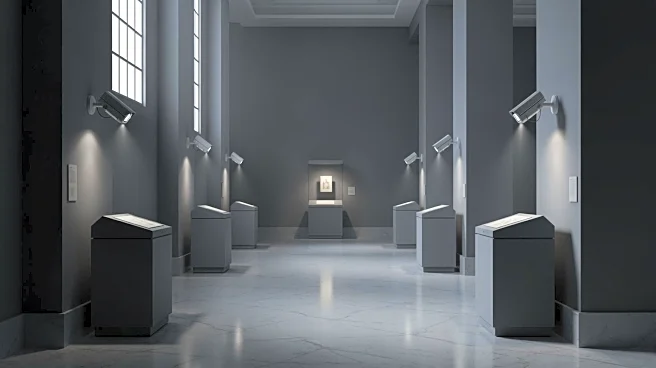
management decisions. These issues have been exacerbated by a recent heist involving the theft of crown jewels, which exposed significant security lapses at the museum. The decision to continue the strike was made during a general assembly meeting, following a unanimous vote earlier in the week. The museum was already closed on Tuesday for its regular weekly shutdown, and it remains uncertain if the strike will lead to a full closure on Wednesday. Visitors with tickets were seen queuing outside as management evaluated staffing levels to determine if the museum could safely open.
Why It's Important?
The strike at the Louvre highlights significant operational and security challenges facing one of the world's most iconic cultural institutions. The ongoing labor dispute underscores broader issues of resource allocation and management within the museum, which could impact its ability to function effectively and safely. The heist has brought to light serious security deficiencies, prompting criticism from France's Court of Auditors and an administrative inquiry. The Culture Ministry's proposal to cancel a planned funding cut and increase recruitment and compensation has been deemed insufficient by union officials. This situation not only affects the museum's staff and operations but also has implications for France's cultural heritage and tourism industry, as the Louvre is a major attraction for international visitors.
What's Next?
Louvre President Laurence des Cars is scheduled to appear before the Senate's culture committee to address the security failures at the museum. The Culture Ministry has announced emergency anti-intrusion measures and appointed Philippe Jost, known for overseeing the Notre Dame restoration, to help reorganize the museum. These steps indicate mounting pressure on the museum's leadership to address the security and operational issues. The outcome of these measures and the ongoing negotiations with union workers will determine the museum's ability to resume normal operations and restore public confidence in its security and management.