




What's Happening?
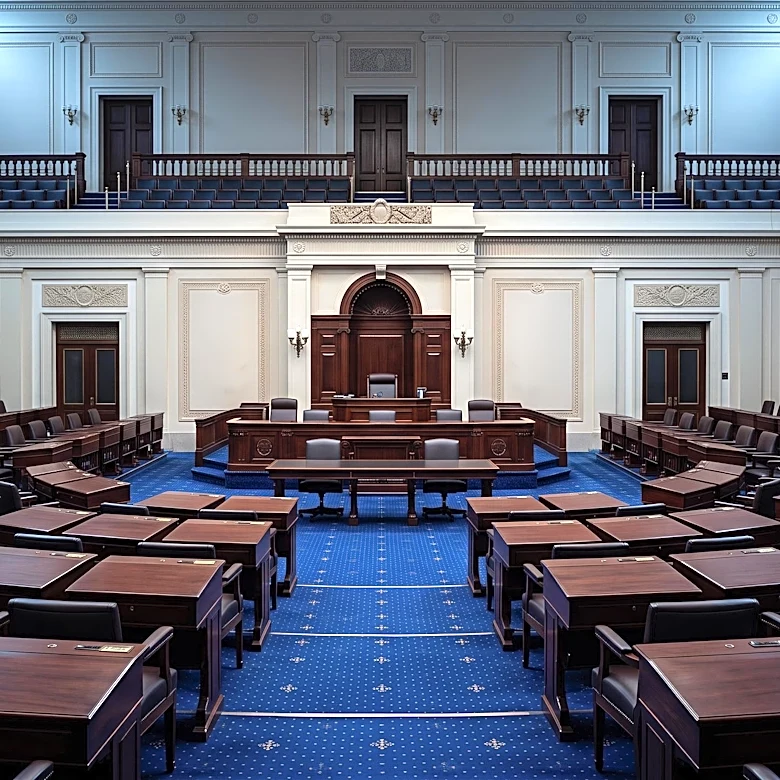
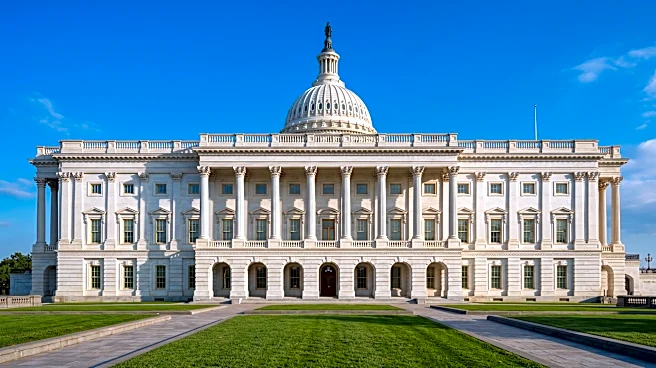
A procedural vote in the House of Representatives has ignited significant internal tensions among House Democrats. Representatives Jared Golden of Maine and Marie Gluesenkamp Perez of Washington broke ranks with their party to support a Republican-backed
procedural measure. This decision paved the way for votes on a slate of Republican bills, including one condemning socialism and calling for an election security crackdown. The move reportedly blindsided House Minority Leader Hakeem Jeffries, who suggested that the party's chief vote-counter should have been aware of such a defection. The incident has led to accusations of betrayal and demands for punishment for the two lawmakers, with Representative Jim McGovern of Massachusetts, the top Democrat on the Rules Committee, expressing his anger by turning his back on Ms. Gluesenkamp Perez during a committee hearing. Democrats argued that the Republican bills were designed to paint them as radical and hurt them in swing districts, diverting attention from issues like affordability.
Why It's Important?
This incident is important because it exposes the fragility of party unity within the Democratic caucus, particularly in a narrowly divided Congress. The defection of Representatives Golden and Gluesenkamp Perez on a procedural vote highlights the challenges of maintaining discipline, especially among moderate Democrats in competitive districts. Such internal dissent can weaken the party's ability to control the legislative agenda and present a united front against the opposition. It also underscores the strategic use of procedural votes by the minority party to force votes on politically charged issues, aiming to create divisions and score political points. The infighting suggests potential difficulties for Leader Jeffries in corralling his caucus if the Democrats were to gain a slim majority, mirroring the challenges faced by Speaker Mike Johnson with his Republican majority.
What's Next?
The immediate aftermath of this procedural vote will likely involve continued internal discussions and potential disciplinary actions within the Democratic caucus. Leader Jeffries and other party leaders will need to address the dissent to prevent further fracturing of the party. Representatives Golden and Gluesenkamp Perez may face pressure from their party, but their actions could also be seen as an attempt to appeal to their moderate constituents in battleground districts. Looking ahead, this event could influence future legislative strategies, with both parties potentially adjusting their approaches to procedural votes and coalition-building. The incident also sets a precedent for how a slim majority might operate, indicating that even routine measures can become flashpoints for significant political drama and internal conflict.
Beyond the Headlines
Beyond the immediate political fallout, this event reveals deeper structural challenges within the U.S. political system, particularly concerning party discipline and the role of moderate lawmakers. The pressure on representatives to align with their party while also serving the interests of their diverse constituencies creates inherent tensions. In an era of increasing political polarization, the actions of 'centrist' Democrats like Gluesenkamp Perez and Golden highlight the struggle to find common ground and the difficulty of maintaining a cohesive legislative agenda. This dynamic could lead to a more fragmented legislative process, where individual lawmakers hold significant sway, potentially making it harder to pass comprehensive legislation. It also raises questions about the long-term viability of a two-party system when internal divisions are so pronounced, suggesting a potential shift towards more fluid and issue-based coalitions.