





What's Happening?
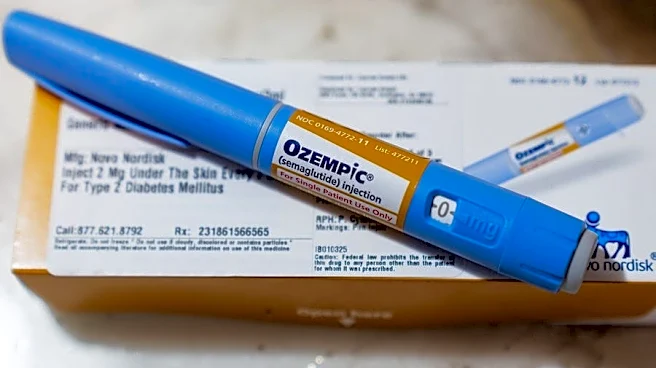
A recent study published in the journal *Therapeutic Advances in Endocrinology and Metabolism* investigated the quality and reliability of health information regarding glucagon-like peptide-1 (GLP-1) receptor agonists on social media platforms. The research
compared videos from Douyin (TikTok China) and Bilibili, analyzing factors such as video length, creator credentials, and popularity. The World Health Organization defines an 'infodemic' as an excess of both accurate and inaccurate information, making it challenging to identify trustworthy sources, a phenomenon particularly relevant to the spread of health information online. The study found significant differences in the quality and completeness of information between the two platforms, with neither consistently providing high-quality medical advice. Bilibili videos were generally longer and scored higher on measures of reliability and transparency. Notably, longer videos were associated with higher quality scores, while engagement metrics like likes and comments did not consistently correlate with the accuracy or reliability of the information. The study also identified videos promoting counterfeit GLP-1 products, highlighting a public health concern.
Why It's Important?
The findings underscore a critical public health challenge in the U.S. and globally: the proliferation of unreliable health information on social media. As GLP-1 receptor agonists gain popularity for weight loss, individuals increasingly turn to platforms like TikTok for advice. This study reveals that the information encountered is often of low quality, potentially leading to misinformed health decisions. The disconnect between engagement metrics and information quality is particularly concerning, as popular videos may not be accurate, misleading users who rely on 'likes' as an indicator of trustworthiness. The identification of counterfeit GLP-1 products on these platforms poses a direct threat to consumer safety, as these unregulated substances could have harmful effects. This situation necessitates a reevaluation of how health information is consumed and regulated online, impacting public health initiatives, consumer protection, and the responsibilities of social media companies.
What's Next?
The study's authors advocate for stronger platform moderation, increased participation from healthcare professionals in content creation, and the implementation of digital health-literacy initiatives. These measures aim to improve the overall quality and reliability of online health information. Future research is recommended to conduct longitudinal studies and evaluate the effectiveness of interventions designed to enhance the quality of health information on social media. This could involve collaborations between public health organizations, social media platforms, and medical experts to develop and promote accurate content, as well as educate users on how to critically assess online health advice. Regulatory bodies may also consider guidelines or policies to address the spread of misinformation and the sale of counterfeit medical products on digital platforms.
Beyond the Headlines
The 'infodemic' highlighted by this study extends beyond GLP-1 medications, reflecting a broader societal challenge in the digital age. The ease with which misinformation can spread, amplified by algorithms and user engagement, has profound ethical and cultural implications. It raises questions about individual responsibility in discerning truth, the role of technology companies in safeguarding public well-being, and the erosion of trust in traditional authoritative sources. The study implicitly points to a need for a more robust digital citizenship, where critical thinking and media literacy are paramount. The presence of counterfeit products also underscores the darker side of online commerce, where health and safety can be compromised for profit, necessitating a multi-faceted approach that combines technological solutions, educational campaigns, and regulatory oversight to protect the public.