




What's Happening?
Parfums Christian Dior has partnered with the World Wildlife Fund (WWF) to support puma conservation. This collaboration, which began in 2023 and has been recommitted for another three years, focuses on preserving the puma, an apex predator crucial to ecosystem
health across the Americas. The initiative is part of Dior's broader sustainability efforts, particularly for its best-selling fragrance, Sauvage. Cécile Lochard, global sustainability director at Parfums Christian Dior, emphasized that this is a substantive collaboration, not a superficial one. The project initially supported lynx conservation in France and jaguar conservation in Mexico and the United States before shifting its focus to pumas in Chile. The partnership aims to make a tangible difference in protecting at-risk species and aligns with the 'call of the wild' messaging associated with the Sauvage brand. The puma was chosen due to its ecological role as an 'umbrella species,' meaning its preservation benefits hundreds of other species within its habitat.
Why It's Important?
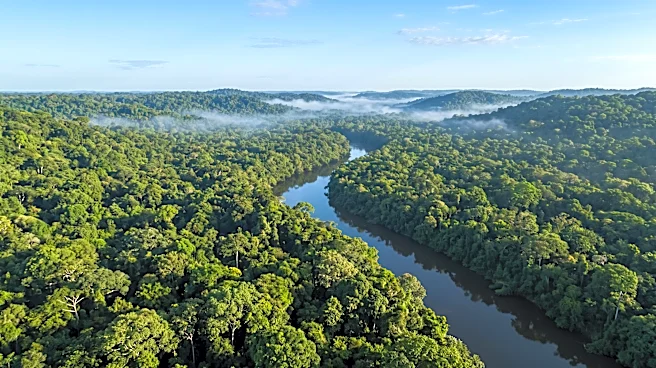
This partnership is significant as it represents a growing trend of luxury brands engaging in substantial environmental conservation efforts, moving beyond superficial corporate social responsibility. For the U.S., the conservation of pumas, which range from Canada to southern Chile, has direct implications for biodiversity and ecosystem stability in American territories where these animals reside. Pumas play a vital role in regulating herbivore populations, which in turn supports vegetation growth and overall ecosystem health. The initiative's focus on habitat connectivity, including building tunnels and bridges, is crucial for maintaining healthy puma populations across their vast range, including within the U.S. Additionally, educational strategies aimed at reducing conflict with livestock owners are important for fostering coexistence between wildlife and human communities, which is a challenge in many U.S. rural areas. This collaboration sets a precedent for other industries to invest in long-term, impactful conservation projects.
What's Next?
The partnership between Dior and WWF is set to continue for at least another three years, indicating ongoing efforts in puma conservation. Future initiatives will likely involve continued monitoring of puma populations, particularly in Chile where they are currently classified as 'near threatened,' through tools like self-release GPS collars and cameras. The educational strategies to reduce human-wildlife conflict, such as providing guard dogs to ranchers and promoting stronger fences, are expected to expand. Dior's commitment to making Sauvage a 'torchbearer' for environmental sustainability suggests that the brand will continue to integrate conservation messaging into its campaigns, potentially raising public awareness about puma conservation among a broader audience. This long-term commitment could also inspire other luxury brands to adopt similar comprehensive approaches to environmental protection, fostering a more sustainable industry landscape.
Beyond the Headlines
The collaboration between a luxury brand like Dior and a conservation organization like WWF highlights a deeper shift in corporate responsibility, where brands are increasingly expected to demonstrate genuine commitment to environmental and social causes. This partnership goes beyond mere philanthropy, integrating conservation directly into brand identity and marketing, as seen with the Sauvage fragrance. The concept of the puma as an 'umbrella species' underscores the interconnectedness of ecosystems; protecting a single keystone species can have cascading positive effects on an entire biodiversity network. Ethically, this partnership addresses the historical tension between luxury consumption and environmental impact by channeling profits into conservation. Culturally, it redefines the image of luxury, associating it not just with exclusivity but also with ecological stewardship. This could lead to a broader consumer expectation for brands to actively contribute to global environmental solutions, influencing purchasing decisions and driving systemic change within the industry.