



What's Happening?
The President of the International Committee of the Red Cross (ICRC) has issued a call to action for states to prevent future conflicts from being determined by autonomous machines. This appeal comes as states are set to convene in Geneva next week to address
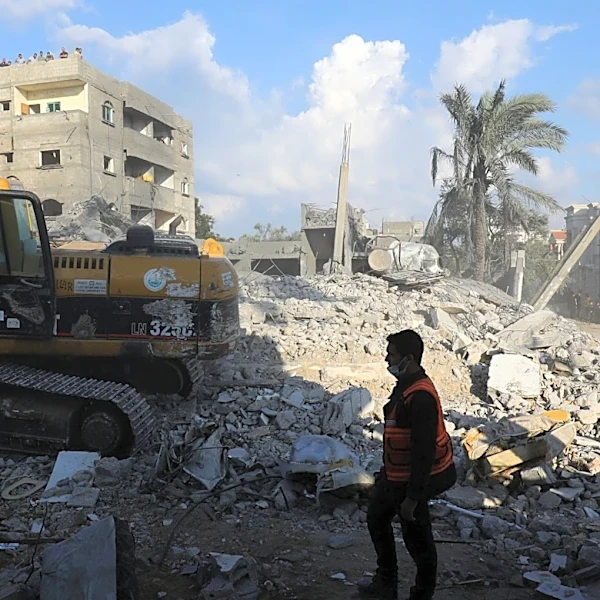
the implications of new warfare technologies. Proponents of these technologies often claim that they will lead to more humane, less lethal, and more precise weapons. However, the ICRC President highlights that even the most technologically advanced contemporary conflicts have not resulted in improved conditions for civilians, but rather in massive and indiscriminate destruction. The ICRC emphasizes that historical precedents, such as international treaties banning biological and chemical weapons, anti-personnel mines, and cluster munitions, demonstrate the possibility of prohibiting or restricting unacceptable weapons. The organization warns against allowing autonomous weapons to develop and proliferate without international rules and meaningful human control.
Why It's Important?
This initiative by the ICRC President is critically important as it addresses the profound ethical and humanitarian challenges posed by the rapid advancement of autonomous weapons systems. The potential for machines to independently decide to kill humans raises fundamental questions about accountability, human dignity, and the very nature of warfare. If left unchecked, the proliferation of such weapons could lead to an unprecedented escalation of violence, reduce the threshold for engaging in conflict, and blur the lines of responsibility for atrocities. The call for international negotiations on a new protocol underscores the urgency of establishing clear legal and ethical frameworks before these technologies become widespread. Failure to act could result in a future where human control over life-and-death decisions in conflict is significantly diminished, with potentially devastating consequences for civilian populations and global stability.
What's Next?
States gathering in Geneva next week will face the critical responsibility of deciding how to address the development and deployment of autonomous weapons. The ICRC President's statement serves as a direct challenge to these nations to move beyond discussions and engage in concrete negotiations for a new international protocol. The outcome of these deliberations will determine whether the international community can collectively establish safeguards against the unchecked proliferation of these weapons. Future generations will judge current leaders on their ability to prevent a world where machines autonomously take human lives. The ICRC's push for a new protocol suggests that the organization believes there is still a window of opportunity for states to act decisively and prevent a future dictated by artificial intelligence in warfare.
Beyond the Headlines
The debate surrounding autonomous weapons extends beyond immediate battlefield concerns, touching upon deeper ethical, legal, and philosophical implications. The concept of 'meaningful human control' is central to this discussion, questioning whether human oversight can truly be maintained as AI systems become more sophisticated. There are concerns about the potential for algorithmic bias in targeting, the erosion of human empathy in warfare, and the destabilizing effect on international relations. The development of such weapons could also trigger an arms race, leading to increased global insecurity. Furthermore, the legal framework of international humanitarian law, which relies on principles of distinction, proportionality, and precaution, may struggle to adequately address the complexities introduced by fully autonomous systems. The ICRC's intervention highlights the need for a proactive and comprehensive approach to regulate these technologies, ensuring that humanity retains control over the most critical decisions in conflict.