






What's Happening?
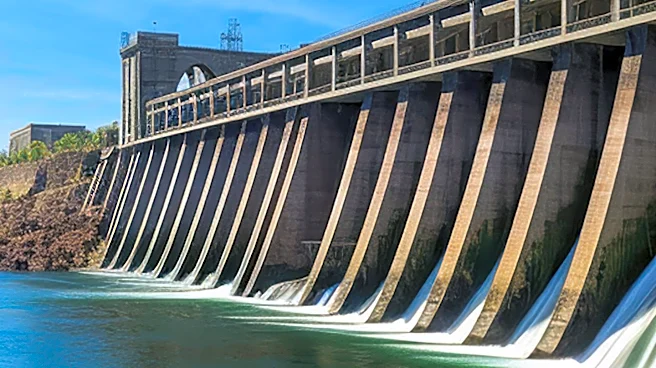
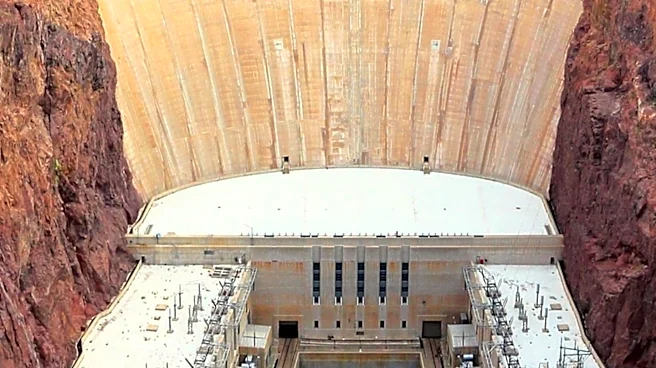
Representatives Nick Langworthy (R-NY) and Kim Schrier (D-WA) have introduced the Fair Licensing for Operations of Water Structures (FLOWS) Act, designated as H.R. 9806. This legislative proposal aims to amend the Federal Power Act by eliminating the requirement
for hydropower projects to obtain Federal Energy Regulatory Commission (FERC) approval for routine maintenance or non-substantial alterations. Currently, such approvals can lead to significant delays and increased costs. The bill also proposes allowing FERC to issue shorter-term licenses, ranging from 10 to 20 years, specifically for micro hydrokinetic projects. The American Public Power Association (APPA) has expressed strong support for this bill, as well as its Senate counterpart, S. 3518, which was introduced by Senators Lisa Murkowski (R-AK) and Angus King (I-ME) and has already been approved by the Senate Energy & Natural Resources Committee.
Why It's Important?
The introduction of the FLOWS Act is significant as it addresses the bureaucratic hurdles that currently impede the maintenance and operation of hydropower projects. By streamlining the approval process, the bill could reduce operational costs and delays, thereby enhancing the efficiency and viability of hydropower as a renewable energy source. This legislative change could benefit the energy sector by promoting more sustainable and cost-effective energy production. Additionally, the support from APPA and the progress of the Senate companion bill indicate a bipartisan recognition of the need to modernize regulatory frameworks to better accommodate emerging energy technologies and infrastructure.
What's Next?
If passed, the FLOWS Act could lead to a more efficient regulatory environment for hydropower projects, potentially encouraging further investment in renewable energy infrastructure. Stakeholders in the energy sector, including utility companies and environmental groups, may respond with increased advocacy for similar regulatory reforms. The bill's progress through Congress will be closely monitored by industry leaders and policymakers, as its implementation could set a precedent for future legislative efforts aimed at reducing regulatory burdens in the energy sector.