








What's Happening?
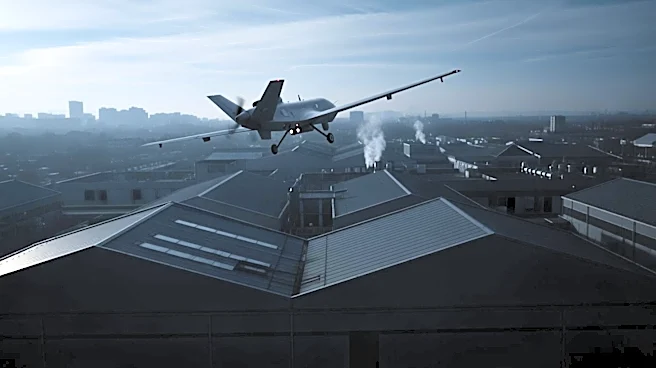
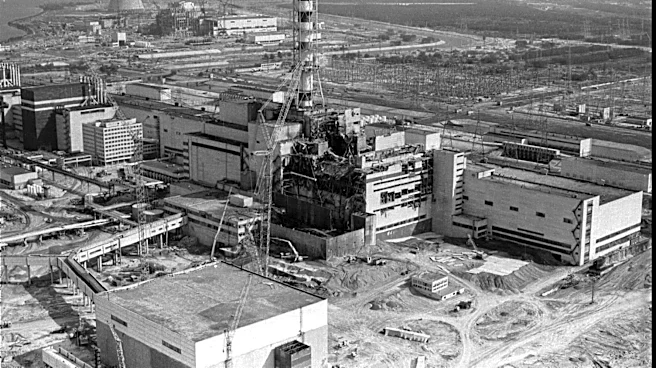
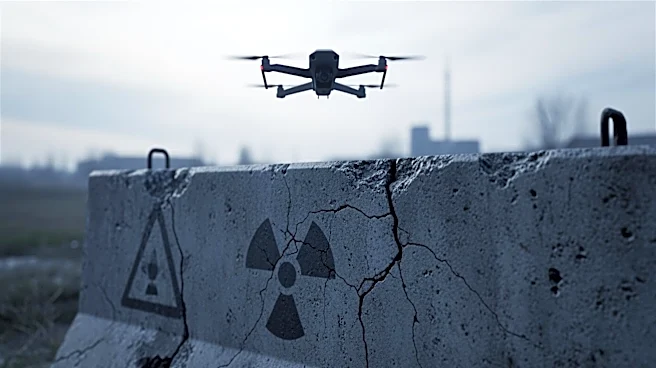
The Chernobyl nuclear power plant, site of the 1986 disaster, has been damaged by a Russian drone attack, raising new concerns about nuclear safety. The attack, which occurred in February 2025, targeted the New Safe Confinement structure, a protective
shell completed in 2019 to contain the damaged Reactor No. 4. Although the attack did not result in a radiation leak, it has potentially shortened the structure's lifespan, complicating efforts to dismantle the original Soviet-era sarcophagus. The International Atomic Energy Agency has warned that the damage could undermine the structure's core safety functions. The incident highlights the ongoing risks posed by Russia's invasion of Ukraine, which has already disrupted operations at the plant.
Why It's Important?
The attack on Chernobyl underscores the vulnerability of nuclear facilities in conflict zones, raising alarms about potential radiation risks. The damage to the New Safe Confinement structure could delay critical dismantling work, increasing the risk of radiation exposure in Ukraine and neighboring countries. This incident also highlights the broader geopolitical tensions between Russia and Ukraine, with potential implications for global nuclear security. The situation at Chernobyl serves as a stark reminder of the need for robust international safeguards to protect nuclear sites from military conflicts.
What's Next?
The immediate priority is to assess and repair the damage to the New Safe Confinement structure to prevent further degradation. The International Atomic Energy Agency and Ukrainian authorities will likely collaborate on a plan to restore the structure's integrity and resume dismantling operations. The incident may prompt international calls for enhanced security measures at nuclear facilities, particularly in conflict zones. Additionally, the geopolitical tensions between Russia and Ukraine are expected to continue influencing the security dynamics in the region.