




What's Happening?
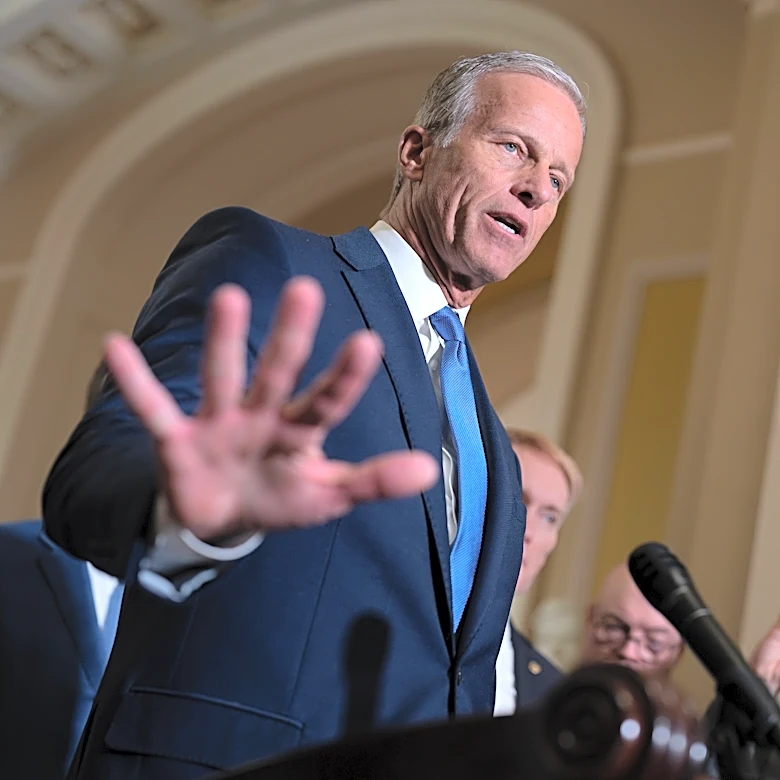
Following the 2026 midterm general election, New Hampshire Republicans, including former state Senator Victoria Sullivan and outgoing US House Speaker Mike Johnson, have attributed their significant losses to voters making the 'wrong choice.' Democrats
flipped the New Hampshire House, Senate, and Executive Council, and Sullivan lost her Manchester state Senate seat. Sullivan posted on election night that voters had 'Massed up NH,' a twist on a Republican slogan. Outgoing US House Speaker Mike Johnson echoed this sentiment, stating, 'I’m sorry that the voters made the wrong choice.' Chris Ager, former chair of the New Hampshire Republican Party, suggested the outcome was due to a national wave of negativity towards the president's party rather than local Republican shortcomings. However, this perspective is contested, with critics pointing to individual candidates' records and campaign strategies, such as an AI-generated ad used in Sullivan's race.
Why It's Important?
This narrative from New Hampshire Republicans is significant as it reflects a broader trend in U.S. politics where electoral defeats are sometimes attributed to voter error rather than internal party issues or candidate performance. This stance can undermine public trust in democratic processes and potentially alienate voters further. For the Republican Party, this approach risks hindering self-reflection and necessary strategic adjustments, which are crucial for future electoral success. The focus on blaming voters rather than analyzing campaign messaging, candidate platforms, or evolving voter demographics could perpetuate a cycle of electoral setbacks. Conversely, the Democratic Party's success in flipping legislative chambers and executive council seats indicates a shift in voter sentiment in New Hampshire, which could influence political strategies and policy debates in the state for years to come.
What's Next?
The immediate aftermath of these statements will likely involve continued public debate and scrutiny of the Republican Party's post-election analysis. Internally, the party faces a critical juncture: either to double down on the 'voters got it wrong' narrative or to engage in a more introspective review of their strategies and candidate appeal. The Democratic Party, having secured significant gains, will likely focus on consolidating its power and implementing its policy agenda, potentially highlighting the contrast with the Republican's post-election rhetoric. Future elections in New Hampshire will serve as a test of whether the Republican Party can adapt its messaging and appeal to a broader electorate, or if this approach will lead to further erosion of their political standing. The search for new leadership and a revised strategy will be paramount for the state's Republican faction.
Beyond the Headlines
The phenomenon of political parties blaming voters for election losses has deeper implications for democratic discourse and accountability. It can foster a sense of detachment between elected officials and the electorate, potentially leading to decreased civic engagement if voters feel their choices are being dismissed. This narrative also raises questions about the role of political leadership in accepting electoral outcomes and fostering unity. In the long term, such rhetoric could contribute to political polarization and make it more challenging to find common ground on critical policy issues. The incident in New Hampshire serves as a microcosm of broader challenges facing political parties in adapting to changing voter expectations and maintaining credibility in a highly scrutinized media environment.