





What's Happening?
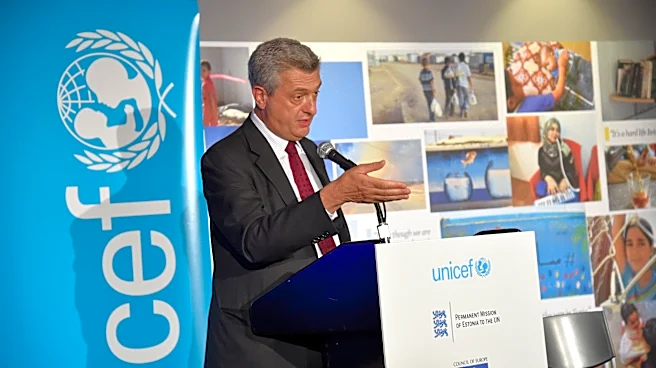
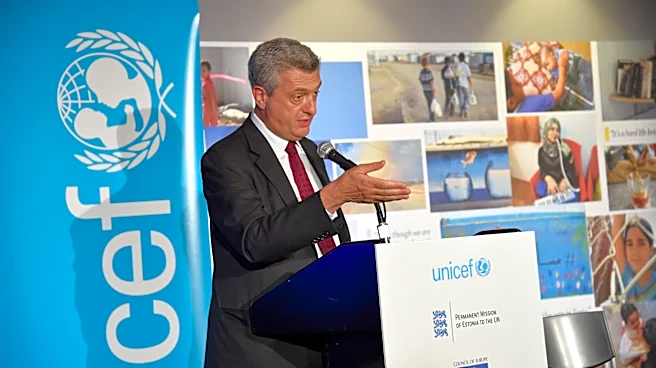
The United Nations Children’s Fund (UNICEF) has issued a stark warning regarding the escalating threats to children's lives and futures worldwide. The organization highlighted the detrimental impact of rising child poverty, ongoing conflicts, and intensifying
climate crises. Additionally, UNICEF noted that cuts to funding for essential services and humanitarian assistance are further exacerbating these challenges. On Sunday, November 15, UNICEF utilized its X account to communicate that these combined factors are actively depriving children of opportunities for a better future. In response to this critical situation, UNICEF emphasized the urgent need to end the deprivation and threats faced by children globally. The organization stressed that children's rights must be respected and protected daily through concrete actions and necessary investments. UNICEF reiterated the importance of sustained attention to children's rights and ensuring their access to vital services and resources.
Why It's Important?
This warning from UNICEF underscores a critical global humanitarian crisis with significant implications for future generations. The confluence of child poverty, conflict, and climate change creates a multifaceted threat that can lead to long-term instability, reduced human capital development, and increased social inequalities. For the U.S., while directly impacting children abroad, these global challenges can indirectly affect national interests through increased migration pressures, potential for regional instability, and the erosion of international norms regarding human rights. The call for increased investment in children's services highlights the need for sustained international aid and cooperation, areas where the U.S. has historically played a significant role. A failure to address these issues could lead to a generation of children lacking education, health, and safety, potentially fueling future global crises and undermining efforts towards sustainable development and peace.
What's Next?
Following UNICEF's warning, the immediate next steps will likely involve continued advocacy for increased international funding and policy changes aimed at protecting children. UNICEF will likely intensify its efforts to mobilize resources from member states, including the U.S., and private donors to support its programs in affected regions. There may be calls for governments and international bodies to prioritize child protection in their foreign policy and aid agendas, potentially leading to new initiatives or increased allocations for humanitarian assistance. Stakeholders such as NGOs, civil society groups, and other UN agencies are expected to amplify UNICEF's message, pushing for greater accountability from governments regarding their commitments to children's rights. Furthermore, discussions at international forums, such as UN General Assembly sessions or G7/G20 summits, may feature these concerns, urging coordinated global responses to mitigate the impact of poverty, conflict, and climate change on children.
Beyond the Headlines
The deeper implications of UNICEF's warning extend to the fundamental principles of global equity and human rights. The interconnectedness of child poverty, conflict, and climate crises reveals systemic failures in global governance and resource distribution. Ethically, the situation challenges the international community's responsibility to protect the most vulnerable, raising questions about the moral imperative to act beyond national borders. Legally, it reinforces the importance of international conventions on the rights of the child, urging states to uphold their obligations. Culturally, the erosion of childhood due to these crises can have profound long-term effects on societal development, potentially leading to cycles of violence, displacement, and underdevelopment. This scenario also highlights the long-term economic costs of inaction, as a generation deprived of basic necessities will struggle to contribute to global prosperity, creating a ripple effect that could impact global markets and stability for decades to come.