



What's Happening?
The White House has directed U.S. military forces to enforce a 'quarantine' on Venezuelan oil, focusing on economic pressure rather than military action to influence the Venezuelan government. This move is part of a broader strategy to apply sanctions
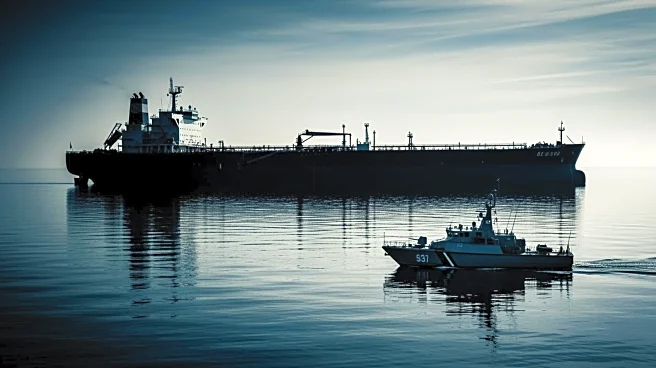
and economic pressure on President Nicolas Maduro's administration. The U.S. Coast Guard has already intercepted two tankers carrying Venezuelan crude in the Caribbean Sea, with plans to seize a third vessel. The military presence in the region includes over 15,000 troops and significant naval assets, underscoring the seriousness of the U.S. approach.
Why It's Important?
This development is a critical component of the U.S. strategy to destabilize the Maduro regime by cutting off its primary revenue source—oil exports. The enforcement of a quarantine could significantly impact Venezuela's economy, potentially leading to political concessions. However, it also raises international legal and ethical concerns, as such actions are often viewed as aggressive and could escalate tensions in the region. The situation highlights the complex interplay between economic sanctions and military presence in U.S. foreign policy.
What's Next?
The U.S. will likely continue its enforcement actions, with potential diplomatic fallout as other nations react to the aggressive stance. The situation could lead to further international condemnation or support, depending on geopolitical alignments. The effectiveness of the quarantine in forcing political change in Venezuela remains uncertain, and the U.S. may need to adjust its strategy based on the evolving situation.