




What's Happening?
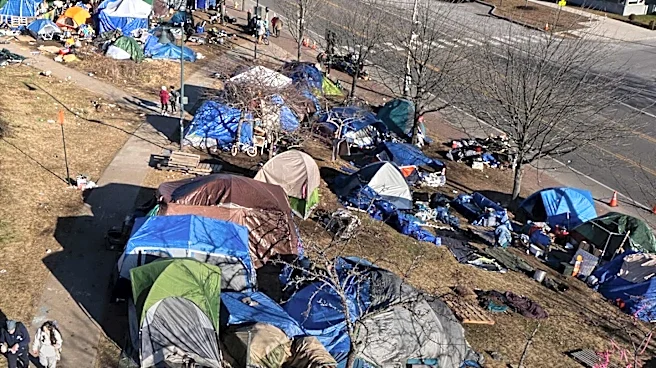
Alice Charles, Director for Cities, Planning and Design at Arup and a Holcim Foundation Board Member, is advocating for the conversion of Europe's vacant, derelict, and underused buildings into homes as a rapid solution to the continent's housing crisis.
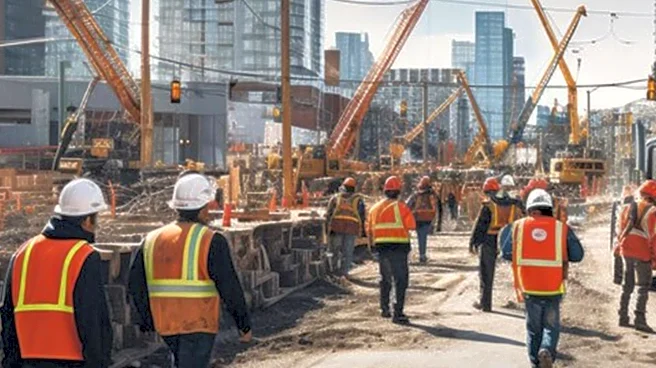
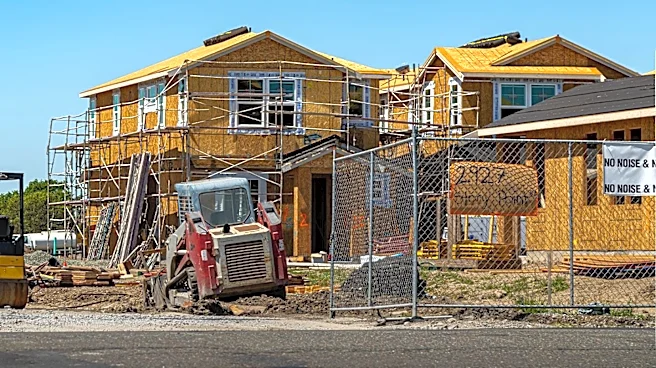
Charles, an urban planner, argues that this approach is significantly faster than constructing new buildings, which can take up to a decade due to zoning, planning, and financing processes. Her perspective was shared during the CityMakers Voices series by the Holcim Foundation, where she emphasized that addressing climate change in the built environment also involves tackling embodied carbon, making the repurposing of existing structures a sustainable and efficient strategy.
Why It's Important?
This initiative is crucial for addressing the pressing housing crisis in Europe, which has significant social and economic implications. By focusing on existing infrastructure, Charles's proposal offers a more immediate and sustainable solution compared to traditional new construction. This approach could alleviate housing shortages, reduce urban sprawl, and contribute to climate goals by minimizing the carbon footprint associated with new builds. For the U.S., while the context differs, the concept of repurposing vacant properties holds relevance for urban regeneration and affordable housing initiatives, particularly in cities with aging infrastructure or declining populations. It highlights a potential model for sustainable urban development that prioritizes efficiency and environmental responsibility.
What's Next?
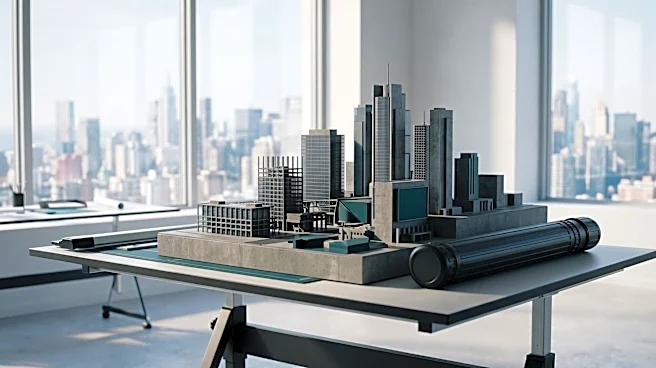
The advocacy by Alice Charles and the Holcim Foundation is expected to stimulate further discussions and policy considerations among European urban planners, policymakers, and developers. The focus will likely shift towards identifying suitable vacant properties, streamlining regulatory processes for conversion, and securing financing for such projects. For the U.S., this European model could serve as an inspiration for local governments and urban development organizations to explore similar strategies for revitalizing underutilized buildings and addressing housing needs. Continued dialogue and collaboration among stakeholders, including communities, policymakers, and the private sector, will be essential to implement these innovative solutions effectively.
Beyond the Headlines
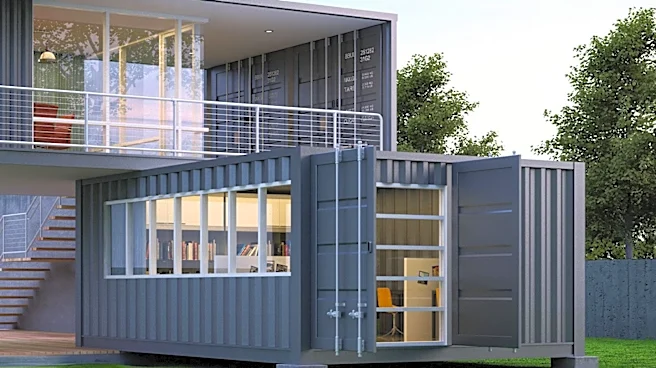
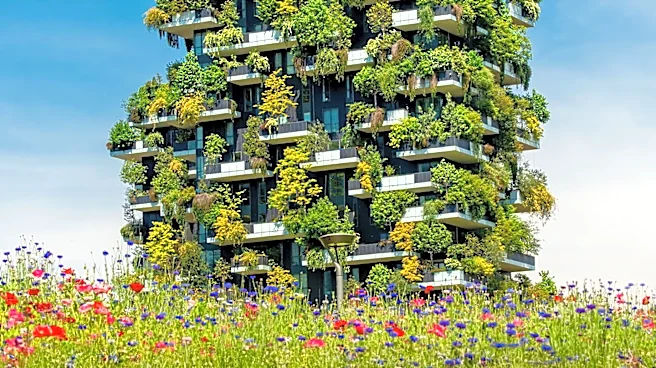
The push to repurpose existing buildings touches upon deeper implications regarding urban sustainability, resource management, and community engagement. Ethically, it questions the practice of new construction when viable structures lie empty, highlighting issues of waste and inefficient land use. Culturally, it encourages a re-evaluation of historical buildings and their potential for modern utility, fostering a sense of preservation and adaptive reuse. Legally, it may necessitate reforms in zoning laws and building codes to facilitate conversions. This approach also emphasizes the importance of inclusive urban planning, where consultation extends to all community members, including children and the elderly, to ensure that development truly serves the needs of diverse populations and creates more resilient, equitable cities.