
What's Happening?
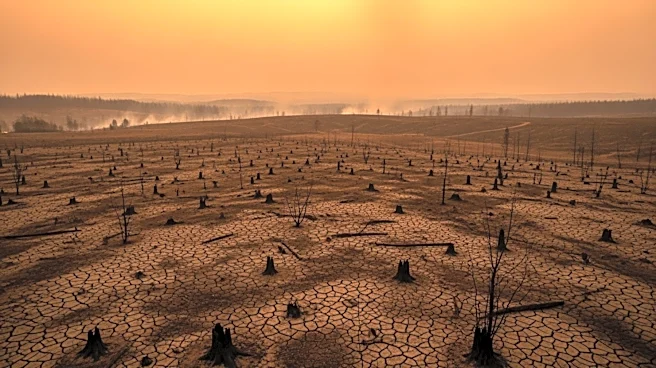
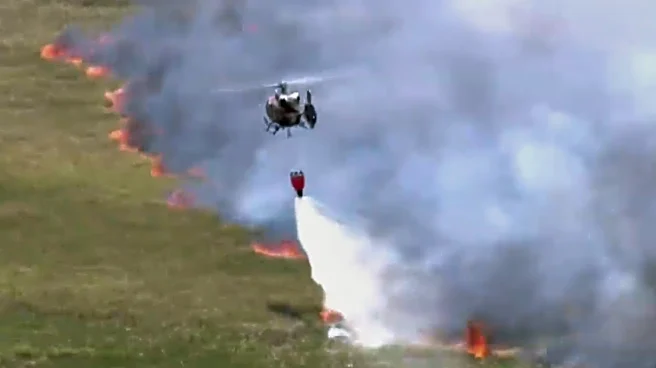
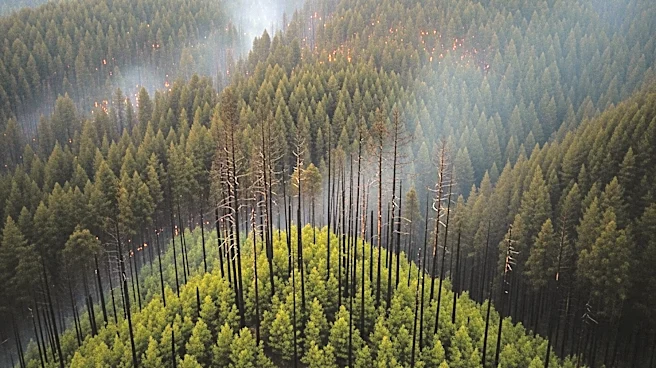
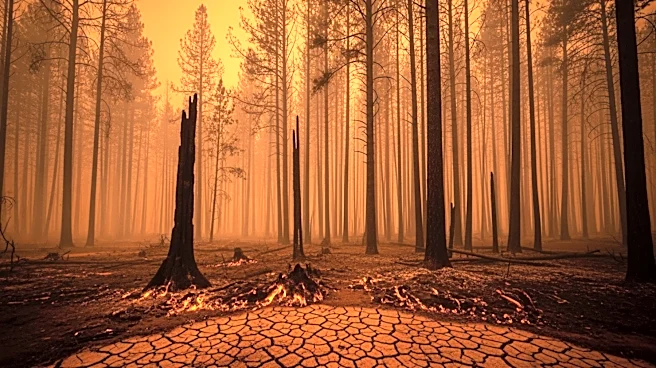
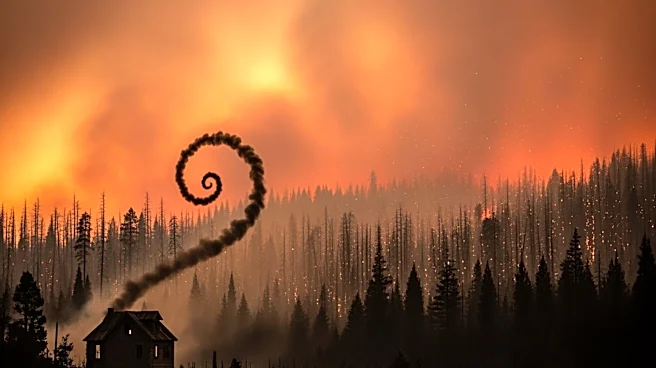
Wildfire risks are increasing across the United States, with new mapping from federal and state agencies highlighting elevated fire danger from the Southeast to the Plains. Recent fires in Georgia and Florida
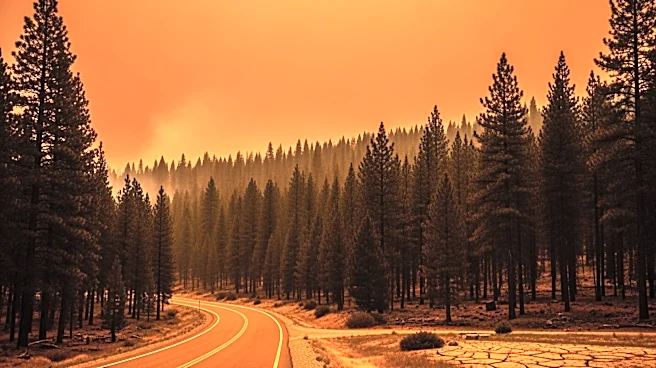
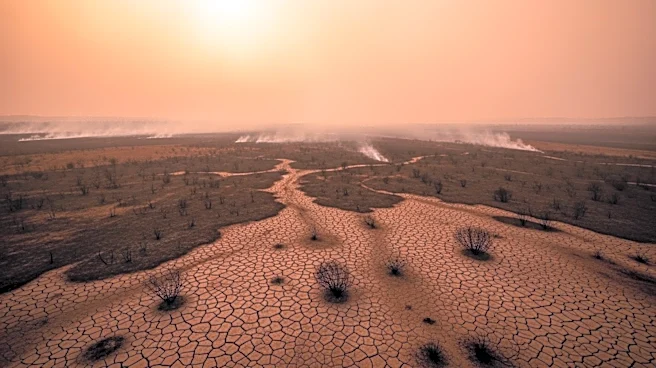
have destroyed nearly 50 homes and forced emergency evacuations. These fires are driven by long-term drought, low humidity, and gusty winds, spreading rapidly through communities unaccustomed to such early-season destruction. Red flag warnings are in effect for over 11 million people across the Intermountain West, Rockies, and Plains, indicating conditions where any spark could lead to a fast-moving, life-threatening fire. Smoke from these fires has affected air quality in major cities, prompting health advisories.
Why It's Important?
The increasing wildfire risks pose significant threats to communities, infrastructure, and air quality across the U.S. The destruction of homes and the need for emergency evacuations highlight the immediate dangers faced by residents in affected areas. The broader implications include potential economic impacts from property loss and increased firefighting costs. Additionally, the spread of smoke can lead to health issues, particularly for vulnerable populations. The situation underscores the importance of addressing climate-related factors such as drought and heat, which contribute to the severity and frequency of wildfires.
What's Next?
Fire danger is expected to remain high as dry, windy conditions persist, with little meaningful rain forecasted. Residents are advised to avoid outdoor burning and create defensible spaces around their homes. Emergency managers warn that more evacuations may be necessary if conditions worsen. The ongoing situation calls for increased preparedness and response efforts from local and federal agencies to mitigate the impact of wildfires and protect communities.