






What's Happening?
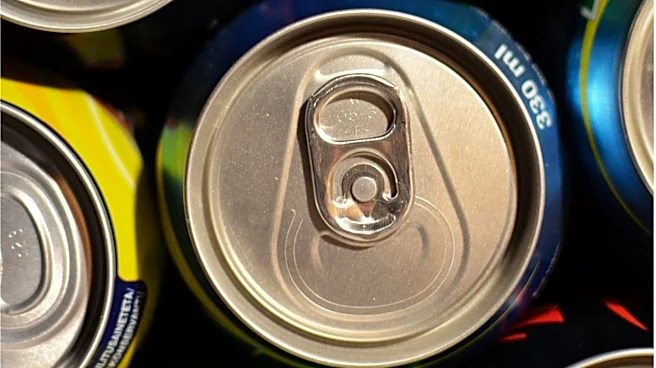
New study results presented at the American Heart Association (AHA) Scientific Sessions 2026 in Chicago indicate a disproportionate reporting of acute cardiovascular events associated with caffeine- and stimulant-containing energy drinks and dietary supplements.
Investigators reviewed data from the U.S. Food and Drug Administration’s (FDA) Center for Food Safety and Applied Nutrition Adverse Event Reporting System. The analysis compared cardiovascular event reports for products containing caffeine, methylxanthines (like guarana and green tea extracts), sympathomimetics (such as yohimbine and ephedra), and popular caffeinated brands (including Celsius, Red Bull, Monster, and Rockstar) against other orally consumed products. The study found that 8 out of 10 cardiovascular outcomes achieved statistical signal thresholds, with the strongest signal for cardiac arrest, followed by myocardial infarction, ventricular arrhythmia, and palpitations. These findings suggest a significant link between these products and serious heart-related issues, particularly in young consumers aged 18 to 34, where five of ten outcomes were signal-positive.
Why It's Important?
This research highlights a significant public health concern, especially for young adults who frequently consume energy drinks and stimulant supplements. The findings suggest that these products may not be as benign as commonly perceived and could contribute to serious cardiovascular incidents, including cardiac arrest and heart attacks. The lack of stringent regulatory guardrails on these products means many consumers may be unaware of the potential dangers. This could lead to increased healthcare burdens and a need for greater clinical awareness among healthcare providers to inquire about energy drink consumption in young patients presenting with cardiac symptoms. The study also emphasizes that caffeine might not be the sole culprit, as other stimulants often present in these products could interact in ways not fully understood, posing additional risks.
What's Next?
The study authors recommend increased clinical awareness among healthcare professionals regarding the potential risks of energy drinks and stimulant supplements, especially in young consumers. They also advocate for prospective surveillance to further monitor these associations. Clinicians are encouraged to directly ask young patients experiencing symptoms like palpitations, chest pain, or fainting about their use of pre-workout supplements, energy drinks, or other stimulant products. This proactive approach can help identify potential links and inform patient care. Further research is warranted to establish causation definitively and to better understand the interactions between various stimulants found in these products. Regulatory bodies may also face increased pressure to review and potentially strengthen regulations concerning the labeling and sale of these high-caffeine and stimulant-containing beverages and supplements.
Beyond the Headlines
The implications of this study extend beyond immediate health risks, touching upon broader societal and ethical considerations. The widespread availability and aggressive marketing of energy drinks, often targeting younger demographics, raise questions about corporate responsibility and public health messaging. The findings underscore the need for comprehensive public education campaigns to inform consumers about the potential dangers of these products, moving beyond just caffeine content to include other stimulant ingredients. Ethically, there's a debate to be had about the balance between consumer choice and public safety, especially when products with potential health risks are easily accessible. This research could also fuel discussions about stricter age restrictions for purchasing energy drinks, similar to ongoing proposals in other countries, to protect vulnerable populations like adolescents and young adults.