






What's Happening?
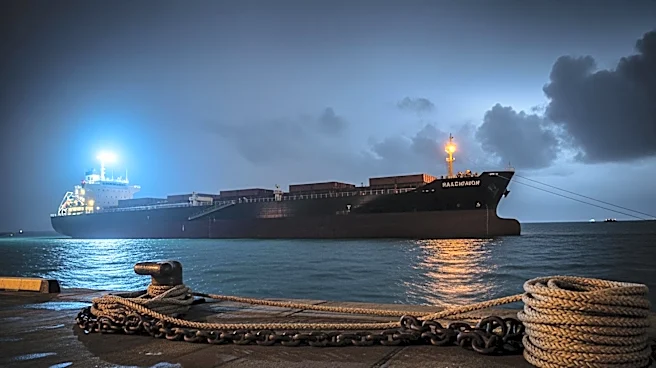
Renewed conflict in the Strait of Hormuz has cast doubt on upcoming talks between Iran and the United States, scheduled to take place in Pakistan. The U.S. recently seized an Iranian cargo ship, accusing it of violating a naval blockade. Iran has responded
with threats of retaliation and has expressed skepticism about the sincerity of the U.S. in pursuing peace. Despite these tensions, Pakistan is preparing to host the talks, with hopes of extending the current ceasefire set to expire soon.
Why It's Important?
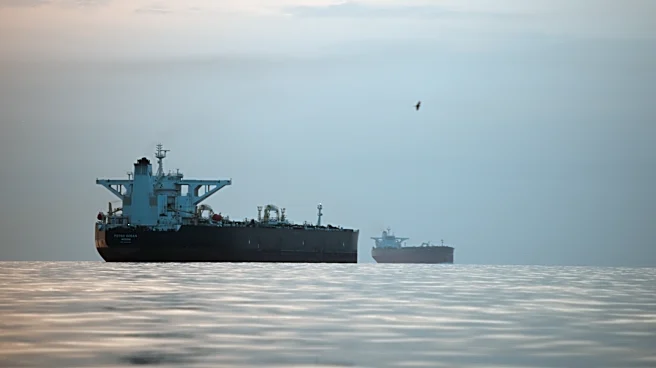
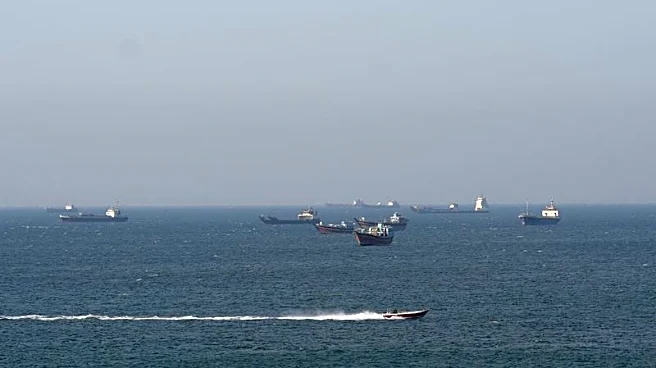
The Strait of Hormuz is a vital corridor for global oil shipments, and any disruption can have significant economic repercussions worldwide. The escalating tensions between the U.S. and Iran threaten to destabilize the region further, potentially leading to increased oil prices and global energy crises. The outcome of the talks could influence international relations and economic stability, particularly for countries dependent on Middle Eastern oil. The situation underscores the fragile nature of peace efforts in the region and the challenges of diplomatic negotiations under military pressure.
What's Next?
The success of the talks in Pakistan hinges on Iran's participation, which remains uncertain. If the talks proceed, they could lead to a temporary extension of the ceasefire, allowing more time for negotiations. However, if Iran withdraws, the risk of military escalation increases, potentially drawing in other regional powers. The international community may need to step in to mediate and prevent further conflict. The U.S. and Iran will need to address key issues such as the blockade and Iran's nuclear ambitions to reach a lasting agreement.