
What's Happening?
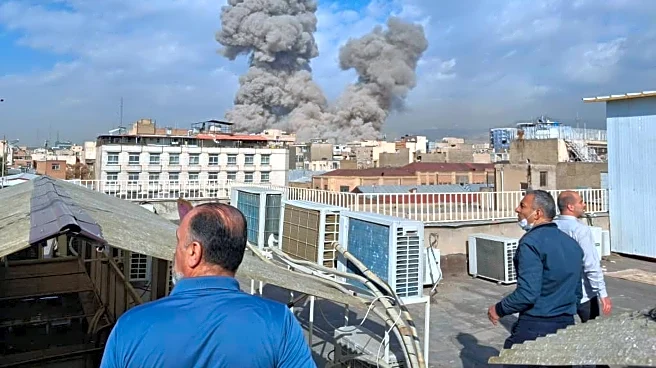
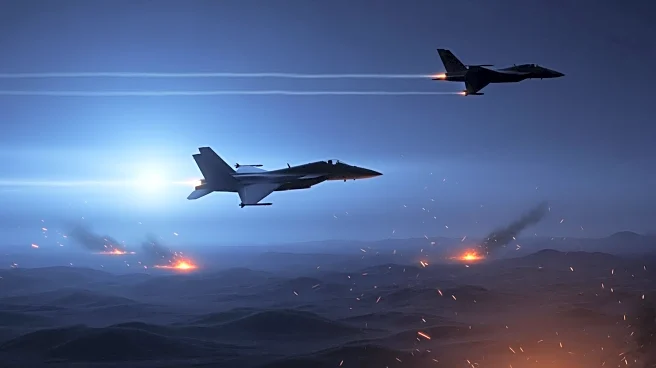
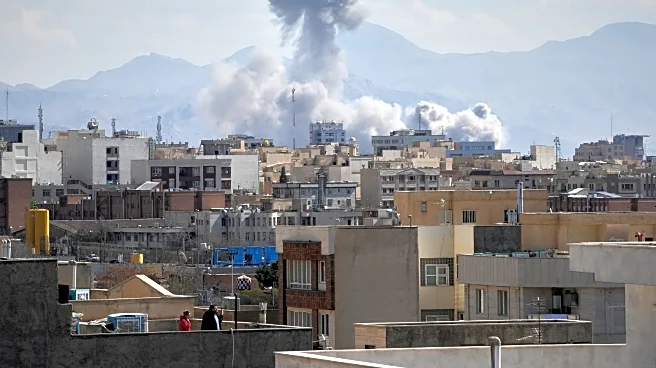
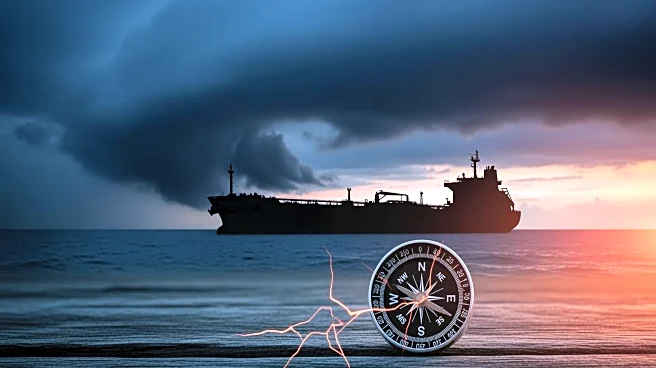
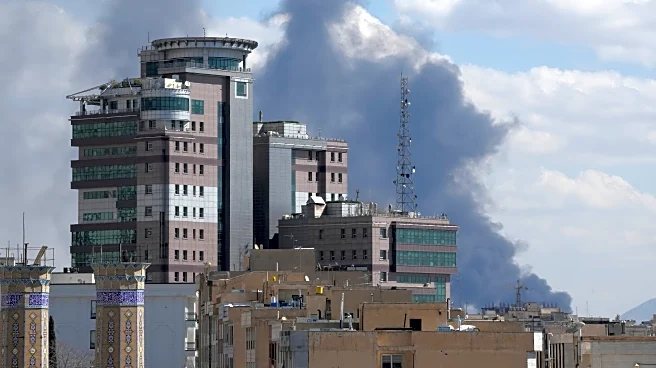
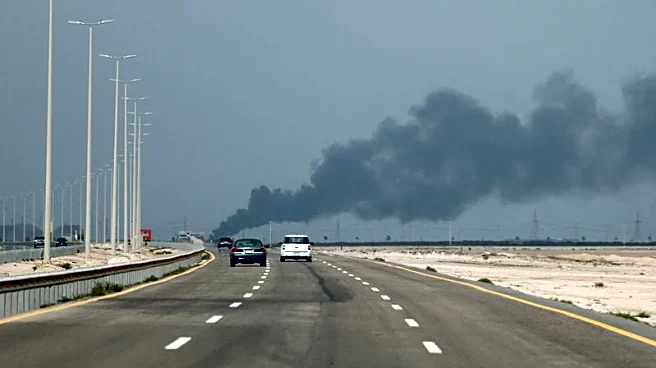
The recent coordinated military strikes on Iran by U.S. and Israeli forces, termed Operation Epic Fury, have significantly impacted global markets and oil shipping routes. The closure of the Strait of Hormuz, a critical passage for oil transportation,
has led to increased oil price volatility. Major shipping companies have suspended transit through the strait, rerouting vessels around Africa, which adds time and cost to shipments. The strikes have also caused widespread disruption in air travel, with over 1,500 flights canceled in the Middle East and more than 19,000 flights delayed globally. The situation has introduced a new era of geopolitical tension, affecting international relations and market stability.
Why It's Important?
The closure of the Strait of Hormuz and the resulting oil price volatility have significant implications for global energy markets. The strait is a vital chokepoint for oil exports, and its disruption can lead to increased shipping costs and delays, affecting global supply chains. The military actions have also heightened geopolitical tensions, potentially altering alliances and economic strategies worldwide. Investors are on edge as markets react to the uncertainty, with potential long-term adjustments needed in investment strategies. The situation underscores the interconnectedness of global markets and the far-reaching impact of geopolitical events.
What's Next?
The reopening of the Strait of Hormuz remains uncertain, and global markets are likely to experience continued volatility. Stakeholders, including governments and businesses, will need to monitor developments closely and adjust their strategies accordingly. The U.S. military operations in Iran are reportedly 'ahead of schedule,' according to President Trump, suggesting further developments in the region. The international community may seek diplomatic solutions to de-escalate tensions and stabilize markets. Meanwhile, businesses involved in oil and shipping will need to navigate the logistical challenges posed by the current disruptions.