







What's Happening?
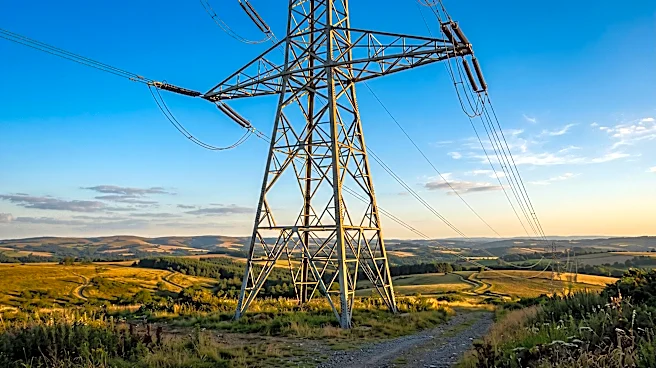
The U.S. Senate is scheduled to vote on the Bipartisan American Affordability and Jobs Act (BAAJA), a bill aimed at significantly reforming the planning, permitting, and construction of electricity transmission lines across the country. According to David
Pomerantz, executive director of the Energy and Policy Institute, these reforms could lead to lower energy bills for millions of Americans. The current system often sees utility monopolies obstructing the construction of long-distance transmission lines, which can increase electricity costs, reduce grid reliability, and hinder the integration of clean energy. BAAJA seeks to address these issues by establishing basic planning standards for Regional Transmission Operators (RTOs), requiring regions to plan collaboratively, and mandating FERC to create standards for allocating the costs of new transmission lines. The bill also grants federal regulators at FERC the authority to intervene and approve lines if states cause undue delays or reject projects that benefit the public. Additionally, BAAJA aims to curb the market power of utilities by allowing states to refer utilities for investigation if their local transmission projects are not cost-effective or if they obstruct regional planning, potentially leading to reduced profit rates or fines. It also prohibits new federal 'right of first refusal' clauses for utilities, promoting competitive bidding for new regional transmission lines.
Why It's Important?
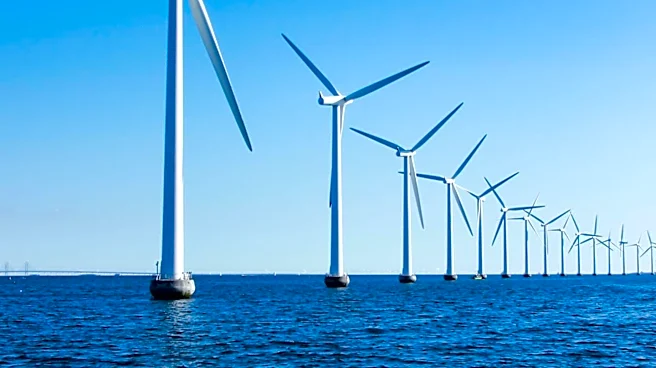
The passage of BAAJA's transmission reforms holds significant importance for U.S. consumers, the energy industry, and the nation's clean energy goals. By streamlining the construction of regional transmission lines, the bill is expected to facilitate the delivery of cheaper electricity from areas of abundance to regions with higher costs, thereby lowering utility bills for consumers. This is particularly crucial given widespread public frustration over skyrocketing electricity costs. The current system, where utilities often prioritize local transmission projects over regional ones that might threaten their profitability, has led to an inefficient and expensive grid. The reforms in BAAJA aim to break down these monopolistic tendencies, fostering a more competitive environment for transmission development. This shift could accelerate the integration of renewable energy sources into the grid, supporting the transition to a cleaner energy economy and enhancing grid reliability. Furthermore, by empowering federal regulators to intervene in state-level permitting delays, the bill seeks to overcome bureaucratic hurdles that have historically slowed down critical infrastructure projects. The outcome of this vote will indicate Congress's willingness to challenge the established power of utility companies and address long-standing issues in the nation's energy infrastructure.
What's Next?
The immediate next step is the Senate vote on the Bipartisan American Affordability and Jobs Act. If passed, the bill's provisions would initiate a series of changes in how electricity transmission lines are planned, permitted, and funded across the U.S. FERC would be tasked with developing new standards for cost allocation and planning among RTOs. States and utilities would need to adapt to new federal oversight regarding transmission project approvals, with FERC gaining backstop authority to approve projects if states are too slow. Utility companies, which have historically opposed such reforms, are expected to continue lobbying efforts, potentially seeking to weaken provisions or delay implementation. However, the current political climate, marked by public anger over high utility bills and a perceived weakening of utilities' political power, may favor the reforms. The bill's success could pave the way for more efficient and cost-effective energy infrastructure development, potentially leading to lower energy prices and a more resilient grid. Conversely, failure to pass these reforms could perpetuate the existing challenges of high energy costs, grid unreliability, and slow clean energy integration.
Beyond the Headlines
The debate surrounding BAAJA's transmission reforms highlights a deeper tension between local utility monopolies and the broader public interest in affordable, reliable, and clean energy. The bill's attempt to balance 'build' and 'balance' philosophies—making it easier to build infrastructure while curbing concentrated market power—reflects a growing recognition of the need for systemic change in the energy sector. The resistance from some utility companies, as exemplified by entities like Entergy's past actions to thwart regional transmission planning, underscores the financial incentives that can drive opposition to projects benefiting the wider public. The bill's provisions, such as prohibiting new 'right of first refusal' clauses, aim to introduce more competition, which could fundamentally alter the business models of traditional utilities. This legislative effort also touches upon the complex interplay between federal and state authority in infrastructure development, with the federal backstop authority for permitting representing a significant shift. Ultimately, the success of these reforms could signal a long-term shift towards a more integrated, efficient, and consumer-centric national energy grid, potentially setting a precedent for addressing other monopolistic practices in critical infrastructure sectors.