






What's Happening?
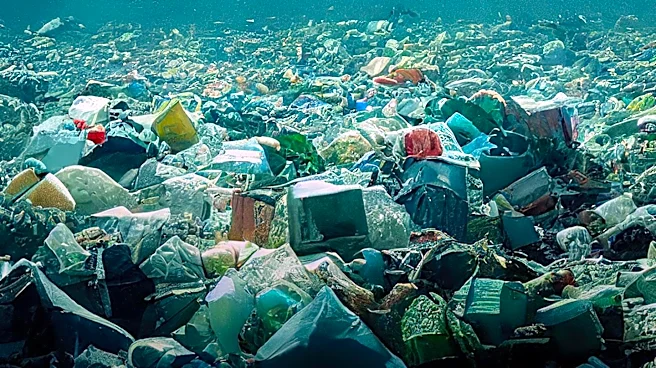
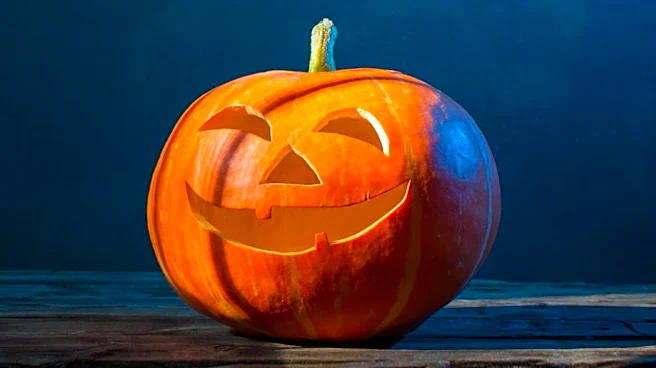
Instead of discarding old Halloween pumpkins in the trash, composting them offers significant environmental benefits. Food waste, including pumpkins, is the most common material sent to U.S. landfills and is responsible for 58% of landfill methane emissions.
Composting provides an aerobic process that introduces water, oxygen, microbes, bacteria, and fungi, which decompose organic matter without producing methane. This process transforms pumpkins into nutrient-rich organic matter that can be returned to gardens. Experts recommend starting a home compost pile in the fall, as the season provides an abundance of leaves and grass clippings, which combine well with pumpkins to create an effective compost mix. Options for composting include curbside bins, designated apartment composting, local drop-off sites, or community events like 'pumpkin smashes,' which have diverted over 1,600 tons of pumpkins from landfills since 2014.
Why It's Important?
The proper disposal of organic waste, such as Halloween pumpkins, has a substantial impact on environmental health in the U.S. By composting, communities and individuals can directly contribute to reducing methane emissions, a potent greenhouse gas that significantly contributes to climate change. This practice also diverts a considerable volume of material from already strained landfills, extending their lifespan and reducing the need for new waste disposal sites. Furthermore, the resulting compost enriches soil, improving its structure, water retention, and nutrient content, which supports healthier plant growth and reduces reliance on chemical fertilizers. This initiative promotes sustainable waste management and fosters a circular economy where organic waste is transformed into a valuable resource.
What's Next?
As Halloween approaches, individuals are encouraged to plan for composting their pumpkins rather than trashing them. Checking for local composting programs, drop-off locations, or community events is a practical first step. For those considering home composting, the fall season presents an ideal opportunity to begin, utilizing readily available organic materials like leaves and grass clippings alongside pumpkins. Educational campaigns can further raise awareness about the environmental benefits and practical methods of composting. Continued community engagement and infrastructure development for organic waste collection will be crucial in maximizing the positive impact of composting efforts across the nation.
Beyond the Headlines
The annual tradition of Halloween, while festive, generates a significant amount of seasonal organic waste. The push to compost pumpkins highlights a broader societal challenge and opportunity in managing seasonal consumption and waste. It underscores the importance of individual actions in addressing larger environmental issues like climate change and landfill management. This initiative can serve as a gateway for many to adopt more sustainable practices in their daily lives, extending beyond pumpkins to all food waste. Culturally, it encourages a shift from a disposable mindset to one of resourcefulness and ecological responsibility, fostering a more environmentally conscious citizenry in the U.S.