







What's Happening?
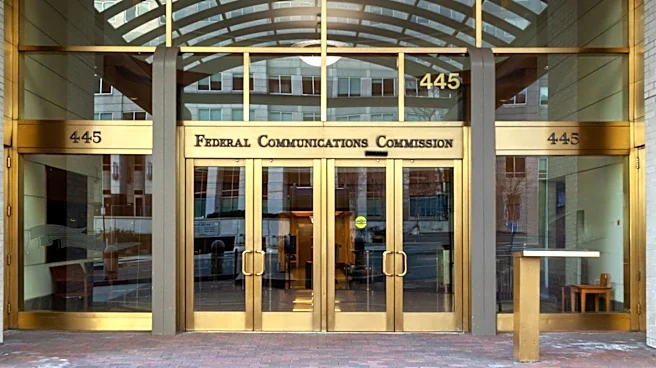
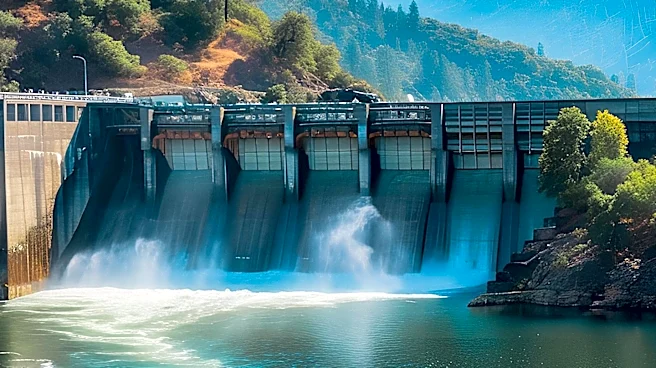
A hydropower plant in Herkimer County, New York, faces potential license revocation from the Federal Energy Regulatory Commission (FERC) due to its nonoperational status since 2006. The 1.68-megawatt facility on West Canada Creek has fallen into disrepair,
and despite multiple demand letters from federal regulators between 2020 and 2021 requesting repair plans and operational timelines, the facility remains largely abandoned. Site inspections confirmed its unsatisfactory condition, and attempts by third parties to relicense the plant ultimately failed. FERC formally initiated license termination proceedings on October 8, 2026, under implied surrender, setting a deadline of November 9, 2026, for interested parties to file protests or comments. This situation highlights a broader national issue where hundreds of small hydroelectric plants are nonoperational due to financial constraints and complex compliance rules, preventing necessary upgrades for modern environmental regulations like flow monitoring systems and fish passages.
Why It's Important?
The potential loss of the Herkimer Hydroelectric Project's license signifies a critical challenge for New York's clean energy goals and the broader U.S. renewable energy landscape. New York aims for 70% renewable electricity by 2030 and zero-emission power by 2040, making every active and inactive renewable facility crucial, especially with soaring regional energy demand, including significant new capacity requests from data centers. The nonoperational status of this plant, and many others nationwide, represents a lost opportunity for reliable, baseload clean electricity. The financial burden of modernizing aging infrastructure and navigating complex multi-agency compliance rules often leads to plants falling out of service. If the license is revoked, New York permanently loses 1.68 megawatts of clean power potential, and FERC will need to oversee site decommissioning and dam safety, preventing environmental degradation and safety hazards at the abandoned site.
What's Next?
The immediate next step is the November 9, 2026, deadline for interested parties to file protests, motions, or comments regarding FERC's license termination proceedings for the Herkimer Hydroelectric Project. Should the license be revoked, federal regulators will be responsible for overseeing the site's decommissioning and enforcing dam safety measures. This case may also prompt increased scrutiny on other nonoperational hydropower facilities across the U.S. To prevent similar failures, there is a growing need for public-private partnerships, targeted grants, or streamlined compliance rules to facilitate the modernization of aging hydropower assets. Without such interventions, more legacy hydropower plants could be permanently lost, hindering national and state-level clean energy transitions.
Beyond the Headlines
The situation with the Herkimer Hydroelectric Project underscores a systemic issue within the U.S. clean energy infrastructure: the challenge of maintaining and upgrading legacy renewable assets. While the focus is often on building new renewable capacity, the neglect of existing infrastructure can undermine overall decarbonization efforts. The complex interplay of financial viability, environmental regulations, and federal oversight creates significant hurdles for independent plant owners. This case highlights the ethical and environmental implications of abandoned energy infrastructure, which can pose safety risks and environmental degradation if not properly managed. It also points to a broader economic challenge: how to incentivize the preservation and modernization of existing clean energy sources, which are vital for grid stability and meeting ambitious climate mandates, especially as the demand for electricity continues to rise.