


What's Happening?
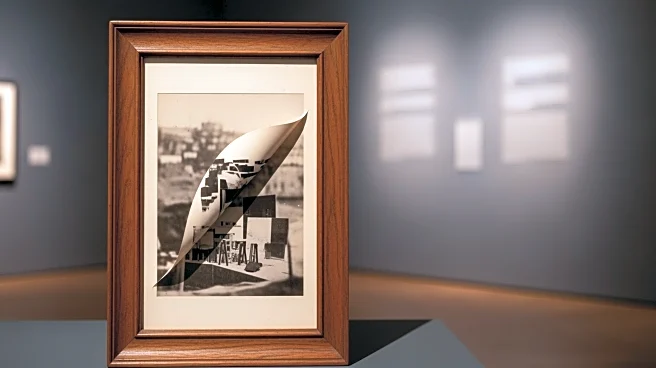
The Rijksmuseum in Amsterdam is opening an exhibition titled 'Fake!' that explores the history of manipulated photographs, dating back to the mid-19th century. The exhibition showcases 52 images from the museum's collection, created using techniques like
collage and photomontage. These images, produced between 1860 and 1940, demonstrate how photographers have historically altered images for entertainment, advertising, and political satire. The exhibition aims to show that the manipulation of images is not a new phenomenon, but has been a part of photography since its early days. Curator Hans Rooseboom emphasizes that while modern technology like AI and Photoshop have made image manipulation more prevalent, the practice has always existed. The exhibition includes works by notable artists such as John Heartfield, who used photomontage to critique the Nazi regime.
Why It's Important?
This exhibition is significant as it provides historical context to the current discussions about image manipulation in the digital age. By highlighting the long-standing tradition of altering photographs, it challenges the perception that digital tools are solely responsible for the erosion of trust in photographic truth. The exhibition also underscores the role of photography in political and social commentary, as seen in Heartfield's work. This historical perspective can inform contemporary debates about the ethical implications of image manipulation, especially in an era where fake images can easily go viral and influence public opinion. It also raises awareness about the need for media literacy in discerning the authenticity of images in today's digital landscape.
What's Next?
The exhibition may prompt further discussions and research into the history of photography and its role in shaping public perception. It could also inspire similar exhibitions or studies that explore the evolution of image manipulation techniques and their impact on society. Additionally, the exhibition might encourage educational initiatives aimed at improving media literacy, helping the public better understand and critically evaluate the images they encounter in the media.
Beyond the Headlines
The exhibition highlights the cultural and historical significance of photography as a medium for both artistic expression and political commentary. It also reflects on the evolving relationship between technology and art, as new tools continue to expand the possibilities for creative expression. The exhibition serves as a reminder of the power of images to influence and shape societal narratives, and the responsibility that comes with creating and sharing visual content.