






What's Happening?
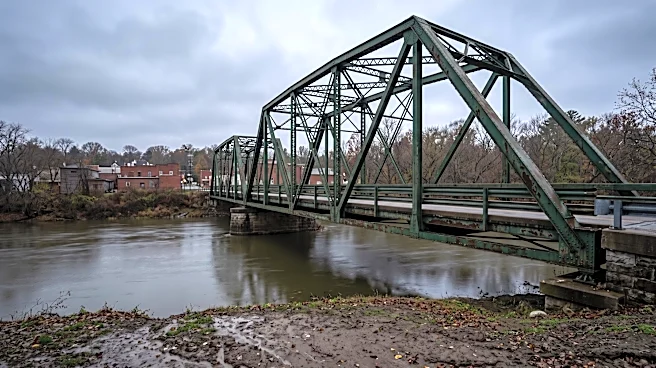
A magnet fisher in West Warwick, Rhode Island, Gerard Perreault, discovered a mortar shell while fishing, leading to evacuations and road closures. The object, described as approximately one foot long, covered in muck and seaweed, and with a pointed end,
was found under a bridge. Police were immediately called, and the bomb squad assessed the device. As a precautionary measure, the safety perimeter was expanded, and two nearby apartment buildings were evacuated. This incident follows a previous discovery by Perreault in July, when he reportedly pulled two hand grenades from the water near Rocky Point. Authorities successfully moved the mortar shell to a secure location and safely detonated it. The event caused significant disruption, with traffic snarled around West Warwick Avenue and local businesses experiencing frantic activity.
Why It's Important?
The repeated discovery of unexploded ordnance in public waterways by a civilian magnet fisher highlights potential public safety risks in Rhode Island. Such findings necessitate immediate and extensive responses from law enforcement and bomb disposal units, leading to temporary disruptions for residents and businesses due to evacuations and road closures. The presence of these devices, whether from historical military activities or other sources, underscores the need for public awareness regarding the dangers of handling unknown objects found in waterways. It also raises questions about the prevalence of such materials in the state's aquatic environments and the adequacy of current measures to identify and remove them. The incident serves as a stark reminder for the public to contact authorities when encountering suspicious items, rather than attempting to handle them personally, to prevent potential harm.
What's Next?
Following the safe detonation of the mortar shell, authorities will likely continue to investigate the origin of the device and assess if there are any further immediate threats in the area. Given the magnet fisher's previous discovery of hand grenades, there may be increased scrutiny or public advisories regarding magnet fishing in certain Rhode Island waterways. Local law enforcement and emergency services will continue to emphasize the importance of reporting suspicious objects to professionals. There could also be discussions among state and local agencies about potential clean-up efforts or surveys of high-risk areas to identify and remove any remaining unexploded ordnance, although the source does not explicitly state such plans. The incident may also prompt a review of safety protocols for public recreational activities in areas where such devices have been found.
Beyond the Headlines
The recurring discovery of unexploded ordnance in Rhode Island's waterways, particularly by a recreational activity like magnet fishing, points to a deeper, often unseen, historical legacy. These devices could be remnants from past military training, discarded during wartime, or even illegally disposed of. The incidents underscore the environmental and historical implications of such materials, as they can pose long-term hazards to both human safety and aquatic ecosystems. The phenomenon of magnet fishing, while a hobby for some, inadvertently brings these hidden dangers to the surface, forcing communities to confront the lingering presence of potentially dangerous artifacts. This situation highlights the broader challenge of managing historical waste and its impact on contemporary public spaces, prompting a reevaluation of how historical sites and natural environments are monitored and made safe for public use.