




What's Happening?
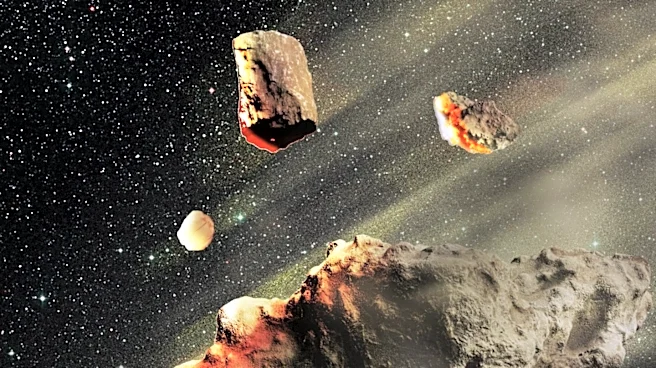
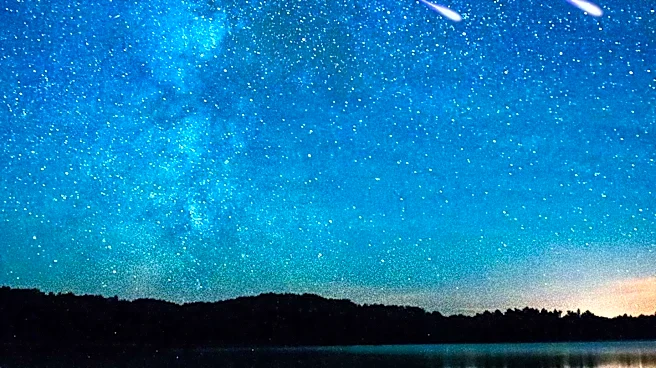
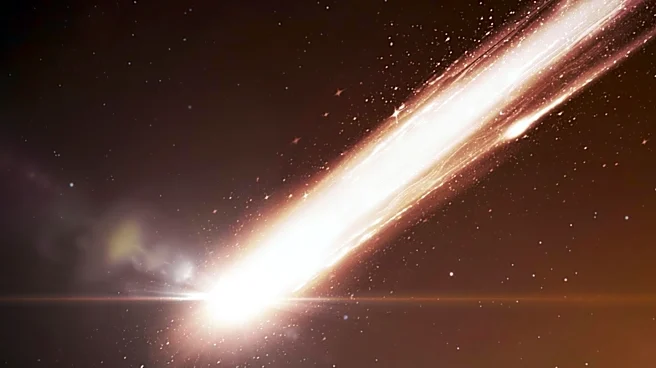
NASA is celebrating the start of summer stargazing with Meteor Watch Day and Asteroid Day on June 30. These events coincide with the Southern Delta Aquariids and alpha Capricornids meteor showers in July, and the Perseids in August. Meteors, often called
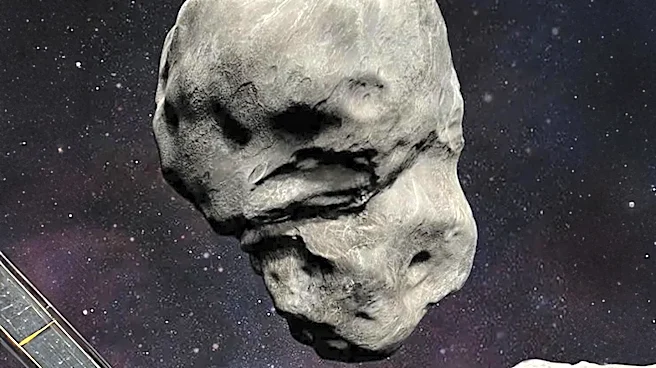
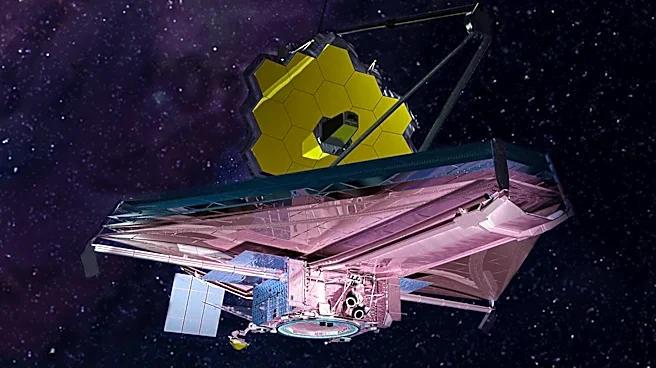
shooting stars, are small fragments of asteroids or comets that burn up in Earth's atmosphere. NASA's Meteoroid Environment Office monitors these meteoroids to protect spacecraft and astronauts. Asteroid Day raises awareness about near-Earth asteroids and the importance of planetary defense, marking the anniversary of the Tunguska event in 1908. NASA is developing the NEO Surveyor mission, a space telescope designed to detect potentially hazardous asteroids.
Why It's Important?
Meteor Watch Day and Asteroid Day highlight the dynamic nature of our solar system and the importance of monitoring space objects. Meteors provide a spectacular natural display, while asteroids pose potential risks to Earth. NASA's efforts to study and track these objects are crucial for planetary defense and the safety of space missions. The NEO Surveyor mission will enhance our ability to detect and characterize near-Earth objects, contributing to global efforts to prevent potential asteroid impacts. Public engagement through stargazing events fosters interest in space science and underscores the need for continued research and preparedness.
What's Next?
As summer progresses, stargazers can look forward to the peak of the Perseid meteor shower in August. NASA will continue its research and monitoring of meteoroids and asteroids, with the NEO Surveyor mission targeting a launch in 2027. This mission will fill critical gaps in our ability to detect dark asteroids and comets, enhancing planetary defense capabilities. Public awareness and participation in events like Meteor Watch Day and Asteroid Day will remain important in promoting understanding and support for space science initiatives.