
What's Happening?
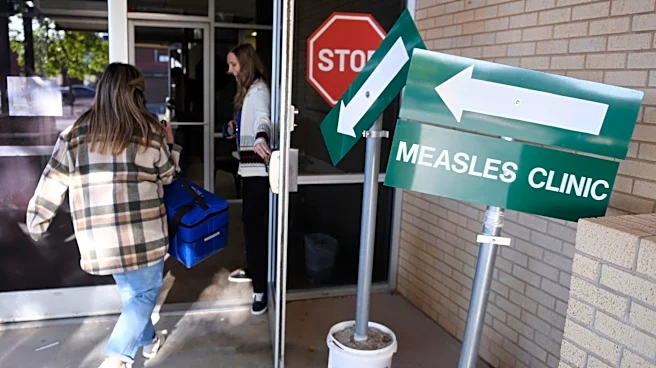
The Centers for Disease Control and Prevention (CDC) has reported that measles cases in the United States have reached a 35-year high, surpassing the total number of cases reported in 2025. As of July
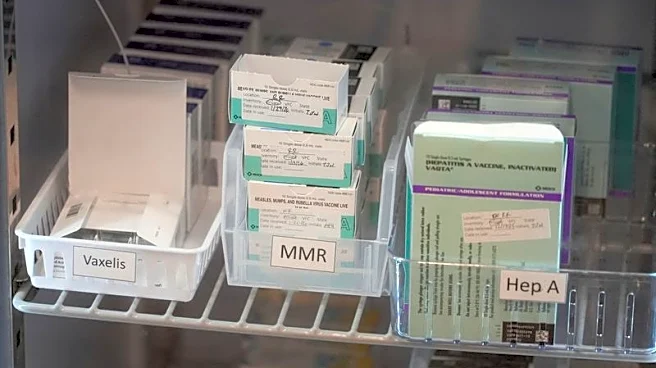
21, 2026, the number of cases has reached 2,295, exceeding the 2,289 cases reported in 2025. This marks the highest number of measles cases since 1991, when 9,643 cases were reported. The outbreak is particularly severe in Pennsylvania's Lancaster County, where over 100 cases have been reported, with none of the affected individuals having received the recommended two doses of the MMR vaccine. Experts emphasize that vaccination is the best protection against measles, providing 97% lifetime protection after two doses. They highlight that outbreaks occur where vaccination rates remain below the critical 95% threshold. States with lower vaccination rates, such as South Carolina and Utah, are experiencing significant surges in cases.
Why It's Important?
The resurgence of measles in the U.S. underscores the critical importance of maintaining high vaccination rates to prevent outbreaks. Measles is a highly contagious disease that can lead to severe health complications, including pneumonia, encephalitis, and death. The current outbreak highlights vulnerabilities in public health systems, particularly in areas with low vaccination coverage. This situation poses a significant public health challenge, as measles can spread rapidly in communities with insufficient herd immunity. The increase in cases may prompt public health officials to intensify vaccination campaigns and address vaccine hesitancy. The economic impact of managing outbreaks, including healthcare costs and lost productivity, further underscores the need for robust vaccination programs.
What's Next?
Public health authorities are likely to increase efforts to promote vaccination and address misinformation about vaccine safety. There may be calls for policy changes to strengthen vaccination requirements for school entry and to limit non-medical exemptions. Health departments could enhance surveillance and response strategies to quickly identify and contain outbreaks. Additionally, public awareness campaigns may be launched to educate communities about the importance of vaccination and the risks associated with measles. The CDC and other health organizations may collaborate with local governments to ensure access to vaccines, particularly in underserved areas.