




What's Happening?
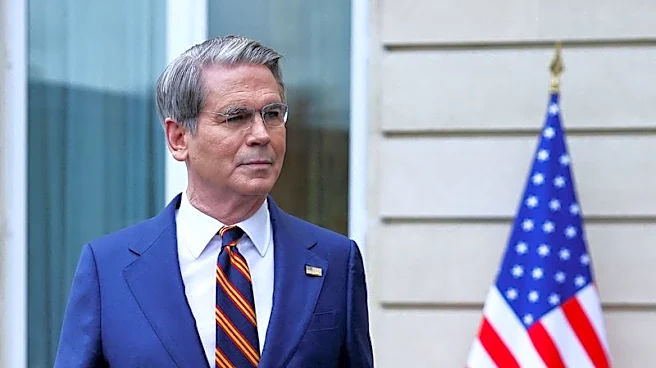
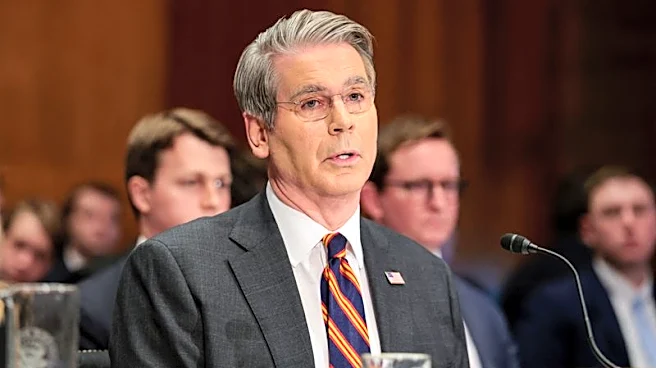
Treasury Secretary Scott Bessent announced that President Trump's no-tax-on-overtime policy is designed to mitigate the labor shortage caused by the deportation of illegal immigrants. During a press briefing, Bessent highlighted that over 2 million illegal immigrants have
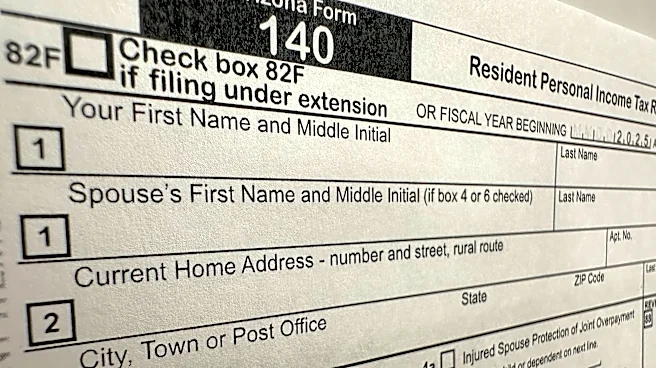
either voluntarily left or been deported, leading to concerns about a potential worker shortage. The policy aims to encourage American workers to work more overtime by allowing them to keep more of their earnings. Bessent noted that 45% of taxpayers have increased their refunds through this and other tax reforms introduced by Trump, such as no tax on tips and deductions for domestic car loans. The Fair Labor Standards Act entitles eligible workers to enhanced pay for overtime, and Bessent urged workers to adjust their tax withholding to benefit immediately.
Why It's Important?
The no-tax-on-overtime policy is significant as it addresses the labor gap left by the deportation of illegal immigrants, a move that could impact various industries reliant on immigrant labor. By incentivizing overtime work, the policy aims to boost the workforce participation of American citizens, potentially stabilizing sectors facing labor shortages. This approach also aligns with broader economic strategies to enhance disposable income for workers, thereby stimulating consumer spending. However, the policy's effectiveness in fully compensating for the loss of immigrant labor remains to be seen, as it depends on the willingness and ability of American workers to take on additional hours.
What's Next?
As the policy is implemented, businesses and workers will need to adapt to the changes in labor dynamics. Companies may need to reassess their workforce strategies to accommodate increased overtime work. Additionally, the policy's impact on the economy will likely be monitored closely, especially in light of ongoing economic pressures such as high gasoline prices and inflation. The upcoming midterm elections may also influence further policy adjustments, as economic issues remain a critical concern for voters.