





What's Happening?
The Mamdani administration in New York City has launched a Commission on Government Efficiency to propose changes to the city's governance structure. The commission has put forward several ballot measures aimed at improving government operations, including
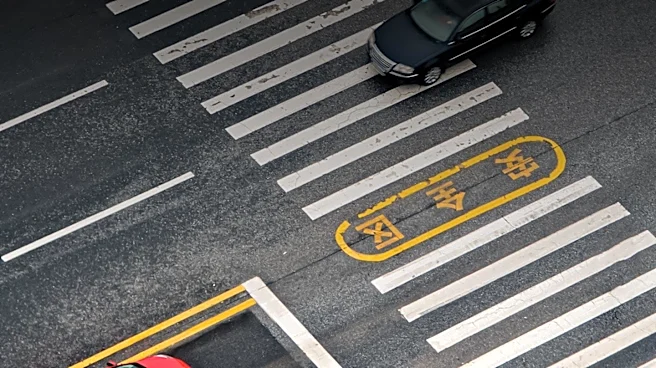
streamlining the procurement process and enhancing street safety. However, some proposals, such as open primaries, were not included. The commission's work is part of a broader effort to make the city's bureaucracy more effective and responsive to residents' needs.
Why It's Important?
The proposed reforms by the Mamdani administration are significant as they aim to address longstanding inefficiencies in New York City's government operations. By streamlining processes and improving accountability, the city hopes to enhance service delivery and better meet the needs of its residents. These changes could lead to more efficient use of resources, increased public trust in government, and improved quality of life for New Yorkers. The focus on government efficiency also reflects broader trends in public administration towards performance-based management and accountability.
What's Next?
The commission's proposals will be voted on and, if approved, will appear on the November ballot for public consideration. The outcome of this vote will determine the implementation of these reforms and their impact on city governance. The Mamdani administration is expected to continue its efforts to improve government efficiency, potentially exploring additional reforms and initiatives. Stakeholders, including city officials, residents, and advocacy groups, will be closely monitoring the process and its implications for the future of New York City governance.
Beyond the Headlines
The commission's work highlights the challenges and opportunities in reforming large bureaucratic systems. It underscores the importance of balancing ambitious reform agendas with practical implementation strategies. The focus on efficiency and accountability reflects broader societal demands for transparent and effective governance. The proposed changes also raise questions about the role of public participation in shaping government policies and the need for ongoing dialogue between government and citizens.