






What's Happening?
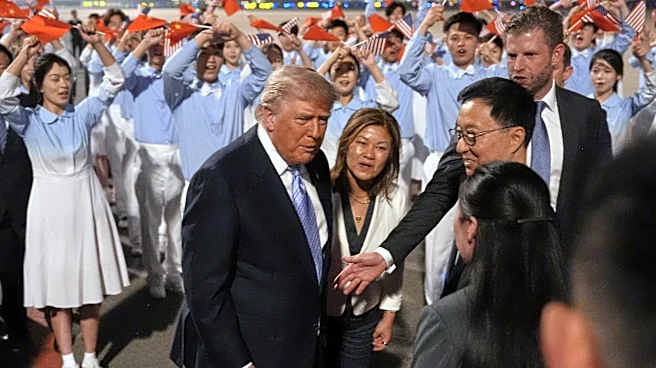
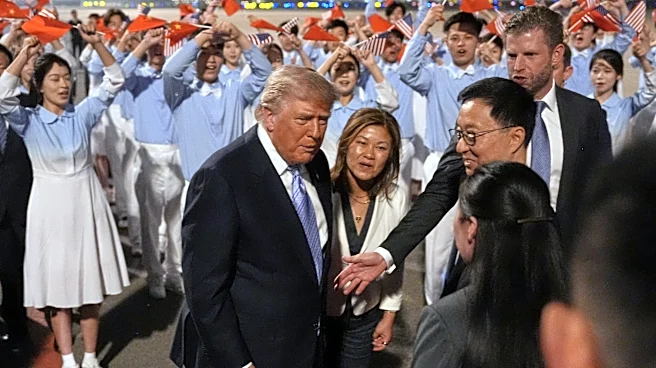
During a summit in Beijing, President Trump avoided discussing Taiwan publicly after Chinese President Xi Jinping warned that the Taiwan issue could lead to conflict. The U.S. has long supported Taiwan's defense without formal diplomatic ties, a stance
that China opposes. Despite previous arms sales to Taiwan, Trump did not address the topic during the summit, focusing instead on economic cooperation. The meeting highlighted the delicate balance the U.S. must maintain in its relations with China, especially regarding Taiwan.
Why It's Important?
The U.S.'s strategic ambiguity regarding Taiwan is crucial for maintaining regional stability. Any change in this policy could provoke a strong reaction from China, potentially leading to military conflict. The summit underscores the importance of diplomatic engagement in managing U.S.-China relations, particularly as both nations navigate economic and geopolitical challenges. The outcome may influence future U.S. foreign policy decisions and impact global markets.
What's Next?
The U.S. will likely continue its policy of strategic ambiguity while seeking to strengthen economic ties with China. Future negotiations may address trade and investment, but Taiwan will remain a sensitive issue. The international community will monitor developments closely, as any escalation could have far-reaching consequences for global security and economic stability.