

What's Happening?
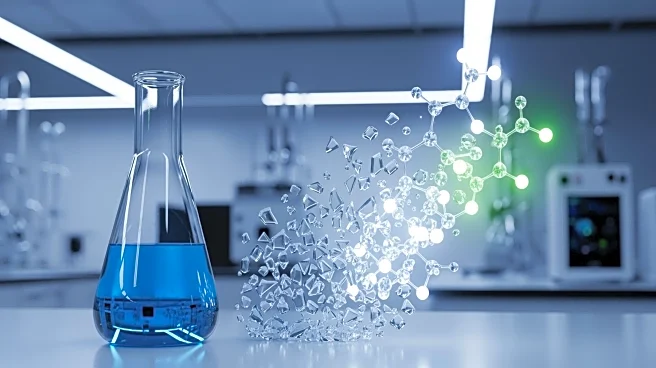
Researchers from the University of Edinburgh have developed a novel method to convert plastic waste into levodopa, a drug used to manage Parkinson's disease. The process involves breaking down polyethylene terephthalate (PET), commonly found in plastic bottles,
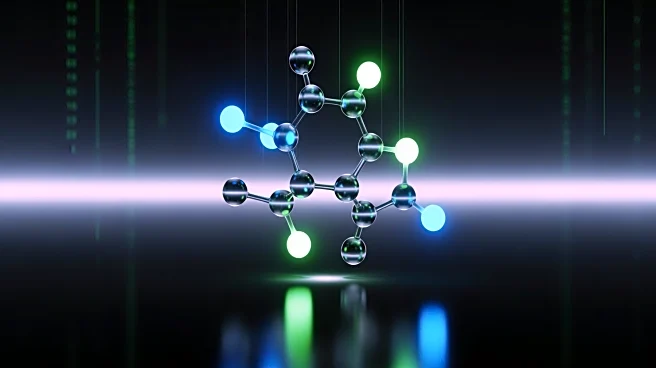
into its constituent parts, including terephthalic acid (TPA). Specially engineered Escherichia coli bacteria are then used to transform TPA into levodopa. This innovative approach not only addresses plastic pollution but also offers a sustainable alternative to current drug production methods that rely heavily on fossil fuels. The research, published in Nature Sustainability, highlights the potential of engineering biology to transform waste materials into valuable resources.
Why It's Important?
This breakthrough has significant implications for both environmental sustainability and pharmaceutical production. By converting plastic waste into essential medicines, the method provides a dual benefit: reducing plastic pollution and offering a more eco-friendly drug manufacturing process. Although the current method is a proof-of-concept, it demonstrates the potential for bacteria-based recycling to produce useful products from waste. This could lead to a reduction in reliance on fossil fuels for drug production, aligning with global efforts to combat climate change. Furthermore, the ability to transform waste into high-value pharmaceuticals could drive innovation in drug development and waste management industries.
What's Next?
Further research and development are needed to scale up the process for industrial use. The researchers acknowledge that while the method is promising, it will not significantly impact the vast amounts of plastic waste generated annually. However, it opens the door to exploring other applications of bacteria-based recycling. Efforts are also underway to make plastic products more biodegradable, which could complement this technology by making waste easier to process. The study received funding from the Engineering and Physical Sciences Research Council (EPSRC) in the UK, indicating ongoing support for research in sustainable technologies.
Beyond the Headlines
The development of this method raises ethical and cultural questions about the role of biotechnology in addressing environmental issues. It challenges traditional views of waste as a problem, instead presenting it as a resource. This shift in perspective could influence public policy and consumer behavior, encouraging more sustainable practices. Additionally, the research highlights the potential for interdisciplinary collaboration between environmental science and biotechnology, paving the way for innovative solutions to global challenges.