


What's Happening?
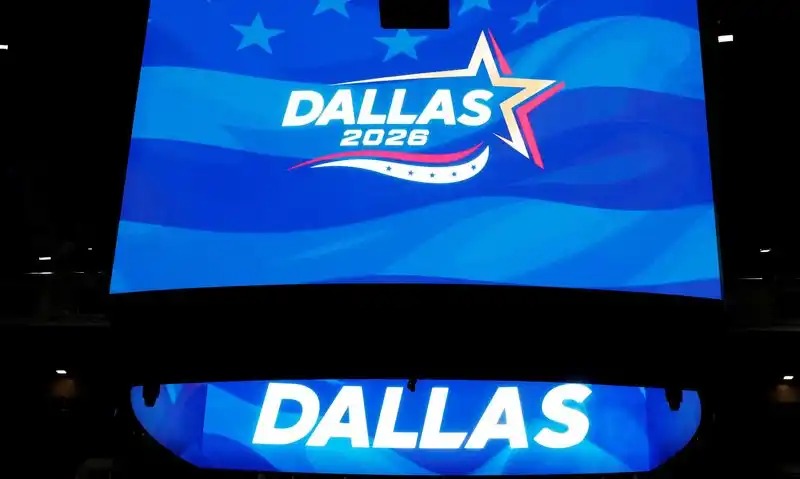
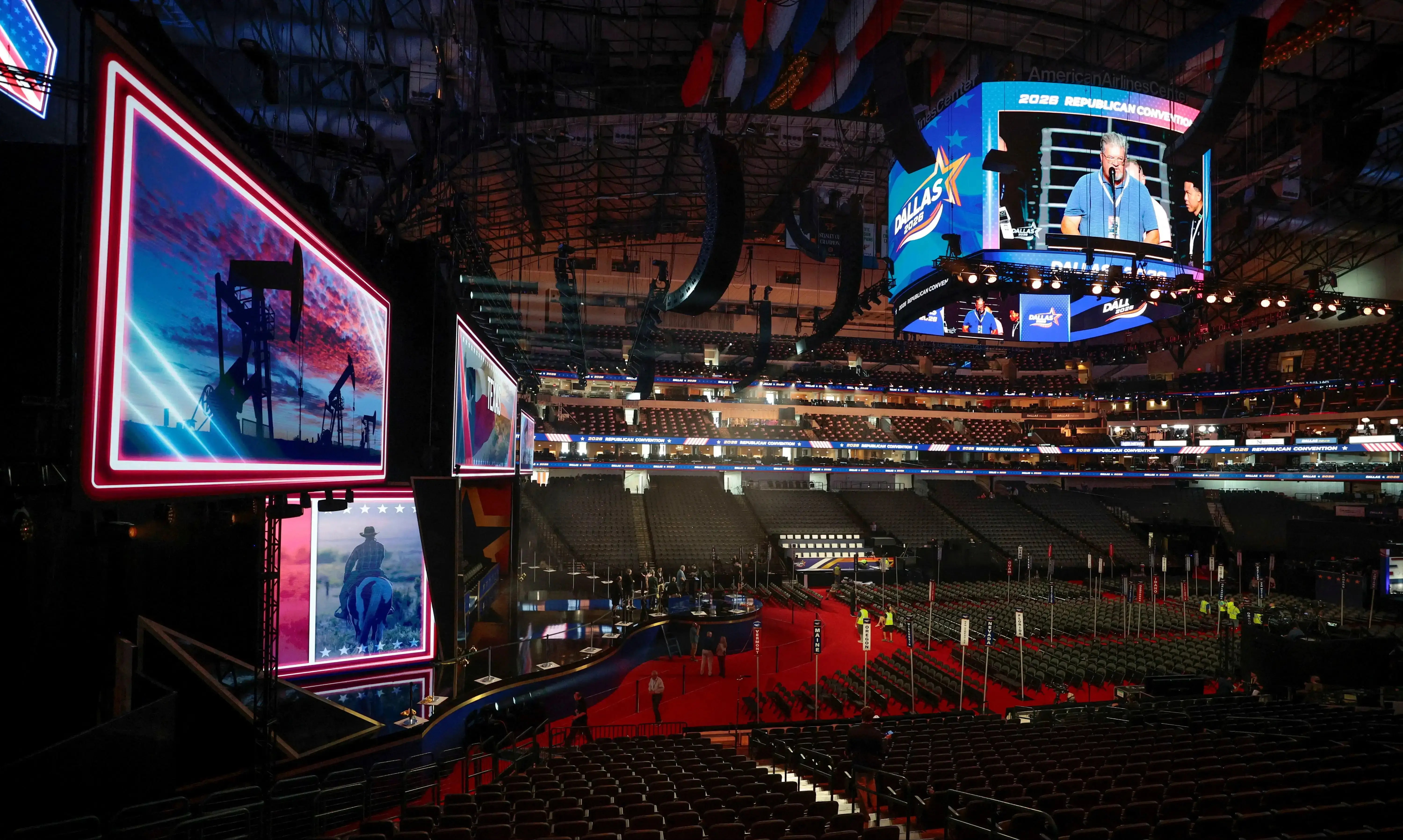
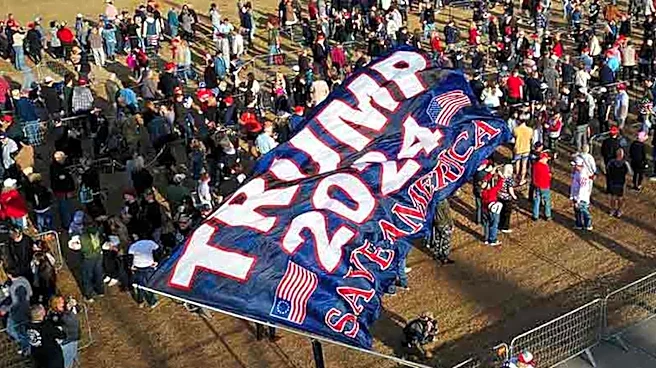
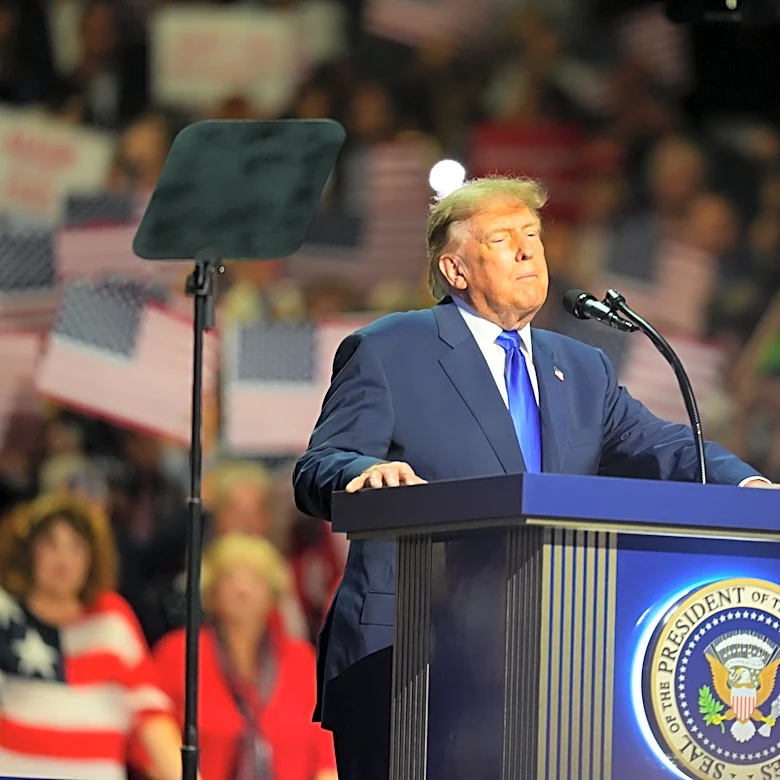
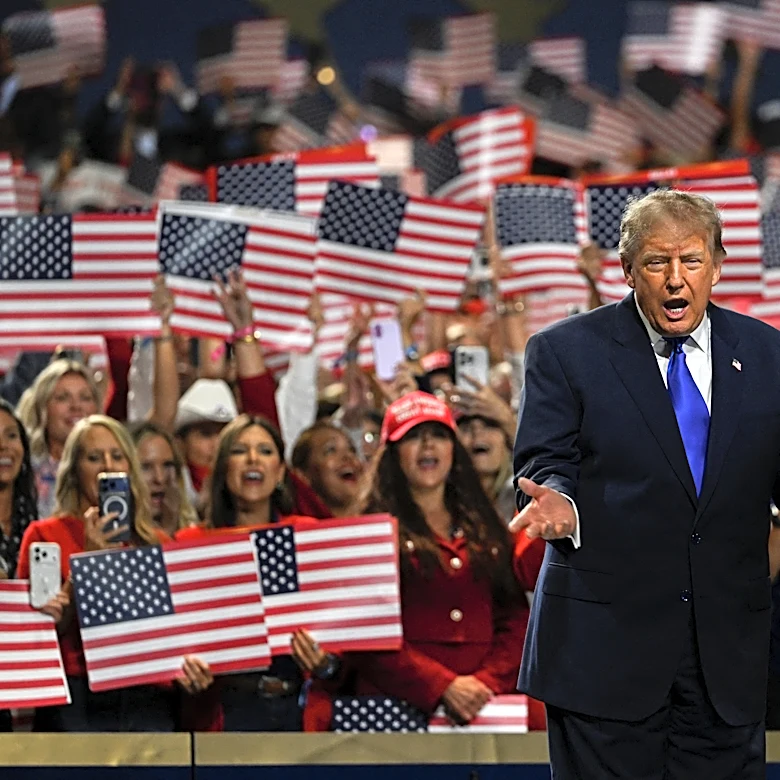
With 55 days remaining until Election Day, the Republican Party is confronting significant challenges as President Trump's 'midterm convention' commences in Dallas. The event, designed to boost GOP base turnout and fundraising, features President Trump delivering
keynote and closing remarks. Republicans are grappling with an unpopular war in Iran, rising gas prices, and President Trump's low approval ratings, which are impacting the party's standing in national polls. The U.S. is seven months into an unpopular war with Iran, with increasing attacks from both sides and gas prices exceeding $100 per barrel. U.S. Central Command recently destroyed five Iranian oil tankers, while Iran launched ballistic missiles against U.S. forces in Jordan and threatened Bahrain and Kuwait. The Pentagon has not disclosed the war's cost to Congress, and the casualty count includes 18 U.S. service members dead and 820 wounded. President Trump's approval ratings are consistently below 40% in various polls, and the generic ballot shows Democrats with a seven-point lead, a dynamic that could lead to significant losses for Republicans.
Why It's Important?
The current political climate is critical for the Republican Party's control of the House and Senate. The ongoing war in Iran and its economic repercussions, particularly rising gas prices, are major concerns for voters and directly impact the GOP's electability. President Trump's low approval ratings and the public's perception of the country being on the 'wrong track' create a challenging environment for Republican candidates. The internal dynamics within the GOP, including President Trump's trade disputes with allies like Canada and his public disagreements with fellow Republicans, further complicate their efforts. The outcome of these midterms will determine the legislative agenda for the next two years and could significantly alter the balance of power in Washington. A strong Democratic performance could empower the opposition to block President Trump's policies and potentially launch investigations, while a Republican retention of power would allow the administration to continue its agenda with fewer legislative hurdles.
What's Next?
In the coming weeks, the Republican Party will focus on leveraging opportunities to improve its standing. The Senate map is showing some shifts, with Republican candidates in Michigan and New Hampshire narrowing the gap against their Democratic opponents. President Trump is also signaling a willingness to spend from his super PAC, with MAGA Inc. already investing $10 million in ads for Texas Attorney General Ken Paxton. Economic data, such as the recent jobs report showing 162,000 jobs added in August and upward revisions for previous months, could provide a positive narrative for the GOP. Upcoming Producer Price Index (PPI) and Consumer Price Index (CPI) data, along with the Federal Reserve's meeting on interest rates, will be closely watched for further economic indicators. The success of the 'midterm convention' in Dallas in energizing the base and raising funds will be a key factor in the GOP's final push. The party will need to address voter concerns about the economy and the war while attempting to unify its various factions.
Beyond the Headlines
Beyond the immediate electoral concerns, the current political landscape highlights deeper trends in American politics. The persistent unpopularity of the Iran war and rising gas prices underscore the public's sensitivity to foreign policy engagements and economic stability. President Trump's continued influence, despite low approval ratings, indicates a significant and loyal base that the GOP relies on. The trade disputes with traditional allies like Canada suggest a reorientation of U.S. foreign policy and economic relationships, potentially leading to long-term shifts in global alliances and trade agreements. The internal divisions within the Republican Party, particularly between President Trump and some congressional leaders, reflect ongoing ideological struggles and the evolving identity of the party. The outcome of these midterms will not only shape immediate policy but also provide insights into the future direction of both the Republican Party and American political discourse.