

What's Happening?
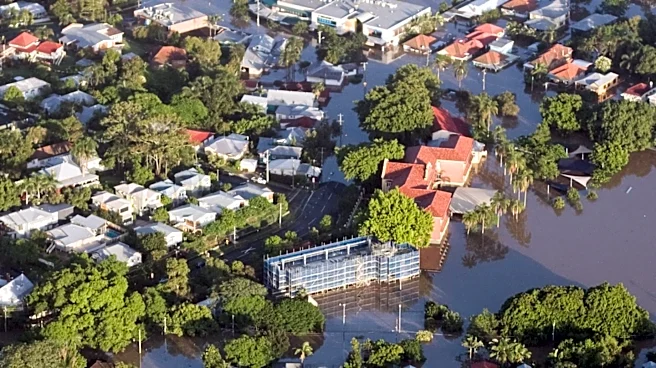
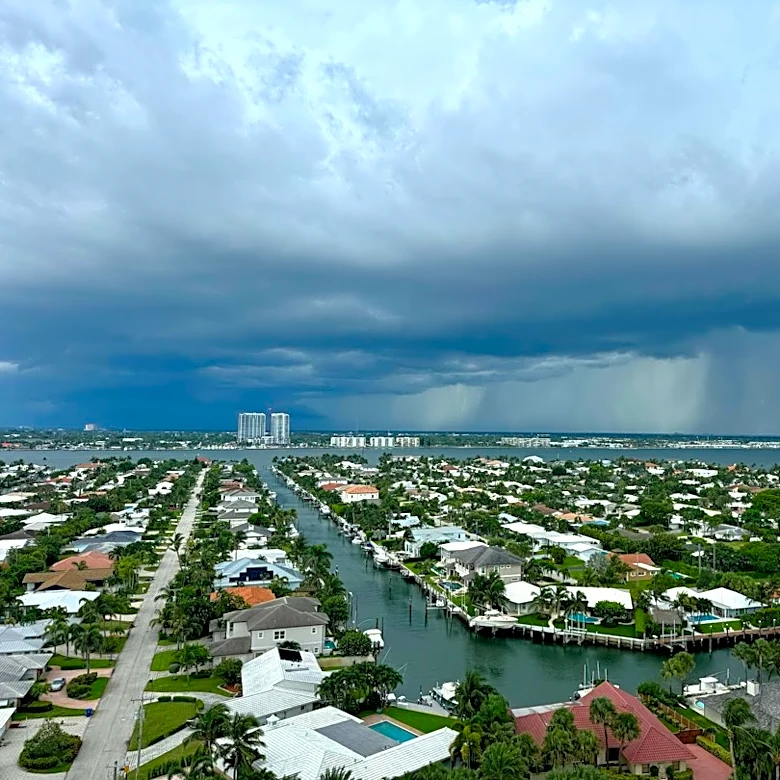
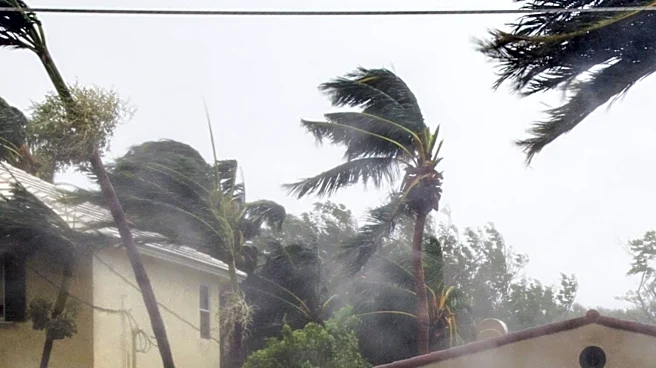
Researchers at the FAMU-FSU College of Engineering are emphasizing that the dangers from hurricanes and floods in Florida extend long after the water recedes, posing hidden health and environmental risks. Ebrahim Ahmadisharaf, an assistant professor of civil
and environmental engineering, leads research indicating that water damage inside homes can lead to indoor mold, which can cause respiratory problems like allergies and asthma months after floodwaters have disappeared. Furthermore, floodwaters can carry pollutants into rivers, lakes, and coastal waters, fueling harmful algal blooms, including red tide, which can result in fish kills. Ahmadisharaf urges Floridians to take even minor and back-to-back flooding events seriously, as their impacts can go beyond immediate visible property damage. His team utilizes physics-based computer simulations, satellite observations, statistical methods, and artificial intelligence to study how soil moisture, rainfall, and storm tide influence hurricanes and floods, aiming to improve forecast accuracy and emergency management.
Why It's Important?
This research is crucial for Florida, a state highly susceptible to hurricanes and flooding, as it shifts the focus beyond immediate disaster response to long-term public health and ecological consequences. By highlighting delayed impacts like mold-related illnesses and harmful algal blooms, it underscores the need for comprehensive post-flood recovery strategies that include health monitoring and environmental remediation. The findings can inform public health advisories, encouraging residents to take proactive measures against mold and be aware of water quality issues. For policymakers, this information can drive the development of more resilient infrastructure and preparedness programs, particularly in underserved communities. Economically, the long-term health issues can lead to increased healthcare costs, while environmental damage from algal blooms can harm tourism and fishing industries. Recognizing these hidden risks is vital for building more resilient communities and protecting both human health and Florida's sensitive ecosystems.
What's Next?
Moving forward, there will likely be an increased focus on public education campaigns in Florida to inform residents about the delayed health and environmental risks associated with flooding. This could include guidance on proper mold remediation, water testing, and awareness of algal bloom indicators. Research efforts, such as those led by Ahmadisharaf, will continue to refine predictive models for flood impacts, including the spread of pollutants and the conditions conducive to mold growth. This will aid emergency managers in developing more targeted and effective long-term recovery plans. At the community level, there may be calls for improved flood risk information, investment in resilient infrastructure, and the implementation of preparedness programs, especially in areas with limited resources. Collaboration between researchers, policymakers, and local communities will be essential to translate scientific findings into practical solutions that enhance safety and resilience against the multifaceted impacts of flooding.
Beyond the Headlines
The research from FAMU-FSU College of Engineering delves into the less visible, yet equally devastating, aftermath of natural disasters, revealing a critical gap in public perception and policy. Beyond the immediate structural damage, the insidious nature of mold and the ecological cascade of harmful algal blooms represent a silent crisis that can disproportionately affect vulnerable populations with limited access to resources for remediation or healthcare. This raises ethical questions about environmental justice and the responsibility of authorities to protect all citizens from prolonged post-disaster hazards. Culturally, there may be a need to shift the narrative around disaster recovery from a short-term event to a long-term process that encompasses public health and ecological restoration. Legally, these findings could influence building codes, insurance policies, and environmental regulations, potentially leading to stricter standards for post-flood cleanup and water quality monitoring. Ultimately, this work highlights the complex, interconnected challenges of climate change adaptation, where environmental science, public health, and social equity must converge to create truly resilient communities.