









What's Happening?
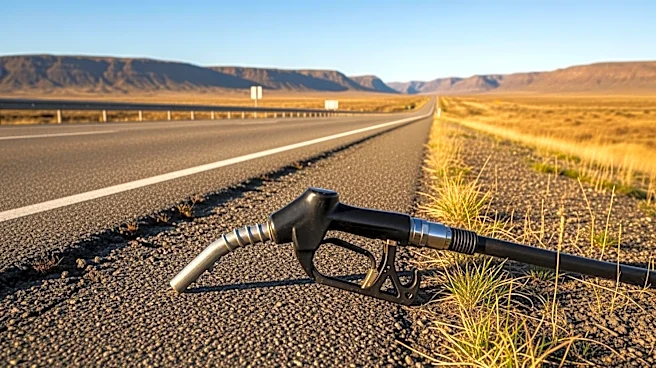
A recent analysis highlights the significant variation in monthly gas costs across the United States, with Wyoming drivers facing the highest expenses. According to the data, Wyoming residents spend an average of $279 per month on gas, primarily due to the long
distances they drive, which exceed the national average by over 50%. In contrast, New York drivers pay the least, at $132 per month, benefiting from shorter driving distances in densely populated areas. The study uses April 2026 fuel prices and average driving distances to estimate these costs, revealing that longer commutes in lower-density states are a major factor in higher monthly gas expenses.
Why It's Important?
This disparity in gas costs underscores the broader economic challenges faced by residents in rural and less densely populated states. While gas prices are a common concern, the distance driven is a more significant factor in monthly fuel expenses for many Americans. This situation highlights the economic burden on individuals in states like Wyoming, where long commutes are necessary. As gas prices remain volatile, the financial strain on these residents could increase, affecting their disposable income and overall economic well-being. The findings emphasize the need for policy considerations that address transportation costs and infrastructure in rural areas.
What's Next?
As gas prices continue to fluctuate, residents in states with high driving distances may seek alternative solutions to manage their transportation costs. This could include increased interest in fuel-efficient vehicles or public transportation options, where available. Policymakers might also explore infrastructure improvements or incentives to reduce the economic impact on these communities. Additionally, the ongoing volatility in fuel prices could prompt further analysis and discussions on energy policies and their implications for rural and urban populations alike.
Beyond the Headlines
The analysis reveals deeper implications for regional economic disparities in the U.S. The reliance on personal vehicles in rural areas not only affects individual finances but also has broader environmental and social impacts. The high cost of transportation can limit access to employment opportunities, healthcare, and education, exacerbating existing inequalities. Furthermore, the environmental impact of increased fuel consumption in these areas could contribute to broader discussions on sustainable transportation solutions and climate change mitigation strategies.