





What's Happening?
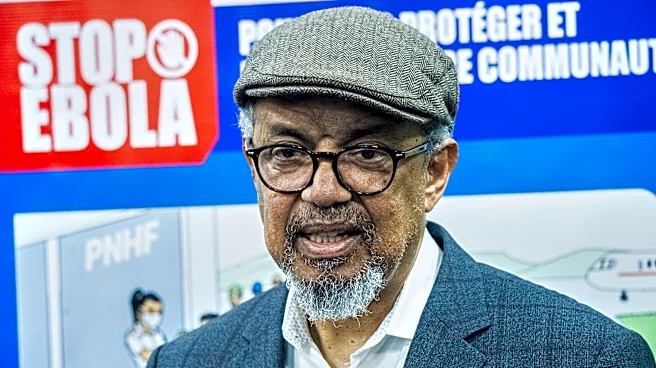
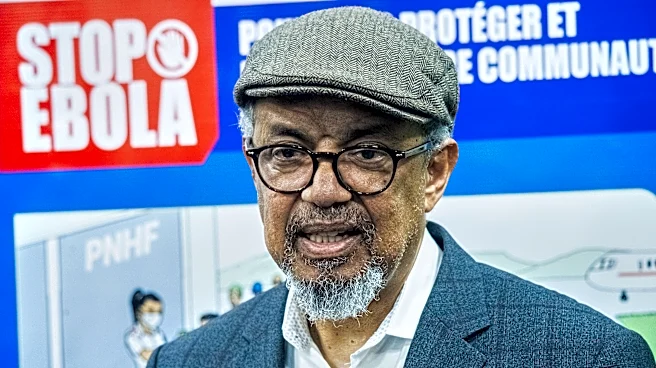
The World Health Organization (WHO) has reported a significant Ebola outbreak in the Democratic Republic of the Congo (DRC), driven by the Bundibugyo strain. This outbreak has resulted in 900 suspected cases and 220 suspected deaths. WHO Director-General
Tedros Adhanom Ghebreyesus emphasized the importance of community cooperation, early medical support, and safe burials to contain the outbreak. The outbreak is the third-largest in history, with efforts ongoing to control its spread amidst conflict-affected regions. The U.S. has responded by tightening entry restrictions for foreign nationals from affected areas and implementing enhanced screening for returning U.S. citizens.
Why It's Important?
The Ebola outbreak poses a global health risk, particularly as it coincides with the summer travel season. The potential for international viral spread could lead to changes in U.S. screening protocols and travel rules. The outbreak highlights the challenges of containing infectious diseases in conflict-affected regions and the need for effective vaccines and treatments. The U.S. travel industry and public health systems may face disruptions if the outbreak worsens, affecting tourism and healthcare resources. The situation underscores the interconnectedness of global health and travel, with implications for public safety and economic stability.
What's Next?
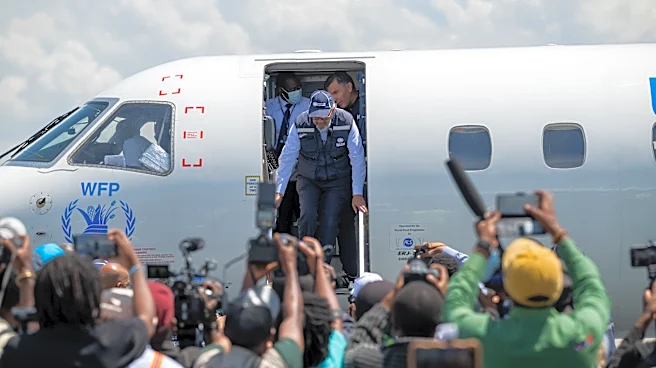
The U.S. government has implemented a 30-day entry ban for foreign nationals from the DRC, Uganda, and South Sudan, with returning U.S. citizens subject to a 21-day symptom monitoring. WHO continues to work with partners to advance vaccines and treatments through clinical trials. The international community is likely to monitor the situation closely, with potential adjustments to travel advisories and public health measures. The outbreak's progression will determine future actions by health organizations and governments to prevent further spread.