






What's Happening?
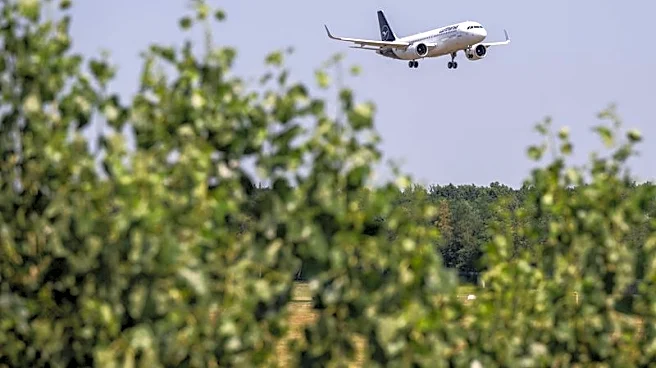
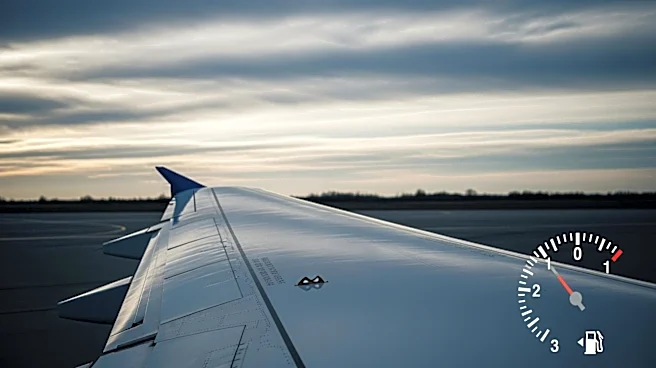
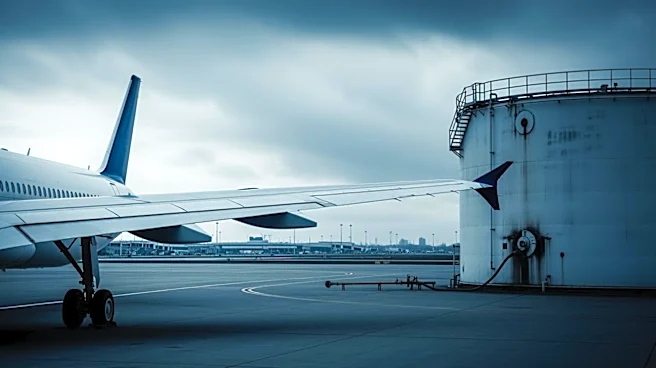
Lufthansa, a leading European airline, has announced the cancellation of 20,000 short-haul flights through October as a response to soaring jet fuel prices caused by the ongoing conflict in the Middle East. The airline is focusing these cuts on its hub
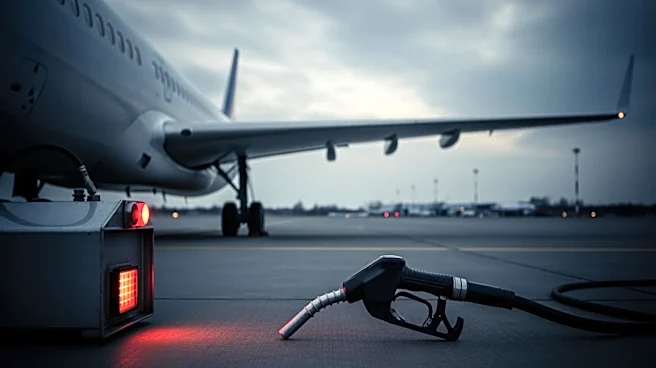
airports in Frankfurt and Munich to conserve approximately 40,000 metric tons of jet fuel. The conflict has disrupted fuel supplies, particularly affecting the Strait of Hormuz, a critical passage for global oil shipments. This has led to a doubling of jet fuel prices, significantly impacting airline operations worldwide.
Why It's Important?
The reduction in flights by Lufthansa is a direct consequence of geopolitical tensions affecting global oil markets. This move reflects the broader vulnerability of the airline industry to external shocks, such as conflicts that disrupt fuel supplies. The decision to cut flights will likely lead to increased travel costs for consumers, as airlines pass on the higher fuel costs through increased fares and surcharges. This situation highlights the need for airlines to develop more resilient strategies to manage fuel price volatility and supply chain disruptions.
What's Next?
Lufthansa is expected to continue monitoring the situation closely and may need to make further operational adjustments if fuel prices remain high. The airline is also pursuing measures to stabilize its fuel supply for the summer. Other airlines are likely to follow suit, adjusting their schedules and pricing strategies in response to the ongoing fuel crisis. The industry will be looking for signs of resolution in the Middle East conflict, which could help stabilize fuel prices and supply chains.