





What's Happening?
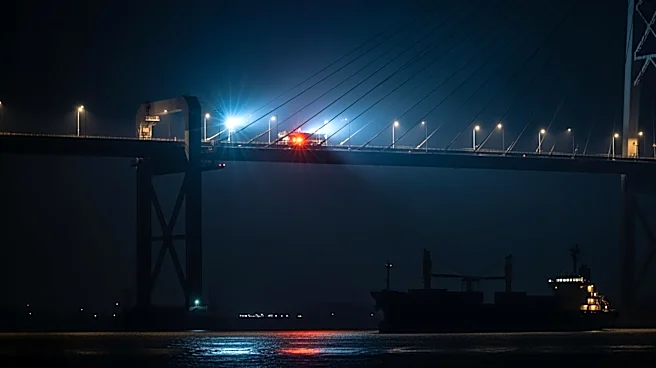
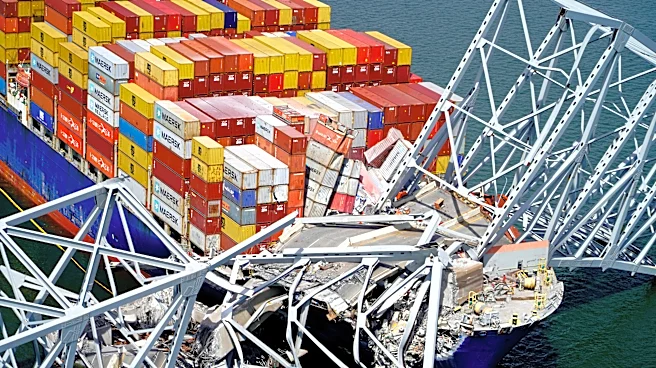
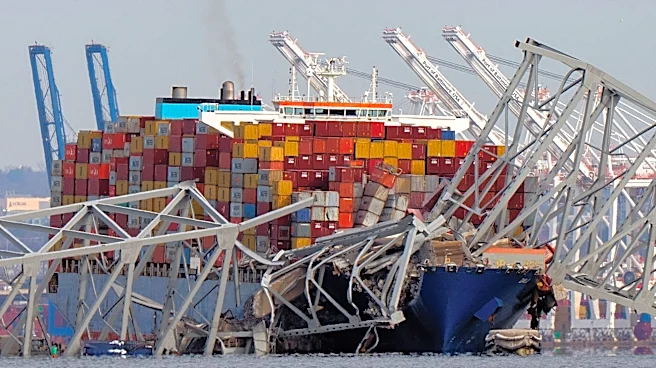
Federal prosecutors have charged Synergy Marine Pte Ltd and Synergy Maritime Pte Ltd, along with ship technical superintendent Radhakrishnan Karthik Nair, with multiple offenses related to the collapse of the Francis Scott Key Bridge in Baltimore. The
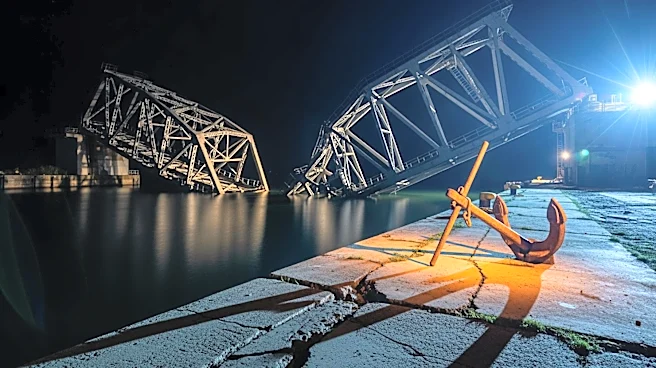
charges include conspiracy, obstruction of an agency proceeding, and violations of the Clean Water Act, Oil Pollution Act, and Refuse Act. The incident, which occurred over two years ago, resulted in the deaths of six construction workers and significant environmental damage due to pollutants discharged into the Patapsco River. The collapse halted operations at the Baltimore Port for two months, causing extensive economic damage.
Why It's Important?
The charges against the ship operators underscore the critical importance of maritime safety regulations and the severe consequences of non-compliance. The collapse of the Francis Scott Key Bridge not only resulted in tragic loss of life but also caused significant disruption to a key shipping channel, highlighting the vulnerability of critical infrastructure. The economic impact, estimated to exceed five billion dollars, reflects the broader implications for trade and commerce in the region. This case serves as a reminder of the need for stringent oversight and accountability in the maritime industry to prevent similar disasters.
What's Next?
The ongoing legal proceedings will focus on holding the responsible parties accountable and securing justice for the victims. The National Transportation Safety Board has initiated an investigation to determine the exact circumstances leading to the bridge collapse. The outcome of this case could lead to stricter enforcement of maritime safety regulations and potentially influence policy changes to enhance infrastructure resilience. Stakeholders, including government agencies and industry leaders, may collaborate to develop strategies to prevent future incidents and ensure the safety of critical infrastructure.
Beyond the Headlines
The incident raises broader questions about the adequacy of current maritime safety regulations and the effectiveness of enforcement mechanisms. It also highlights the potential environmental risks associated with maritime operations, particularly in densely populated and ecologically sensitive areas. The case may prompt a reevaluation of risk management practices within the shipping industry and encourage the adoption of more robust safety protocols. Additionally, the legal proceedings could set a precedent for future cases involving infrastructure failures and environmental damage.