







What's Happening?
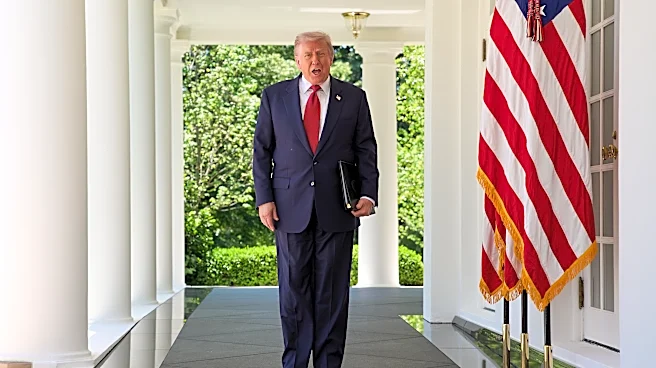
President Trump has expressed his readiness to send a U.S. delegation to Moscow to negotiate an end to the ongoing war between Russia and Ukraine. This announcement comes during a fragile three-day ceasefire brokered by Washington, which marks one of
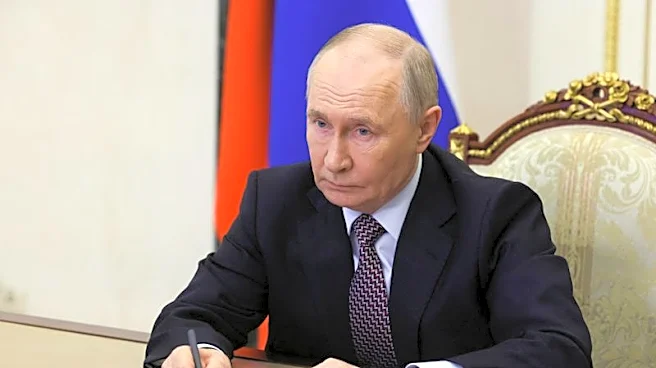
the longest pauses in fighting since the conflict began in February 2022. The ceasefire, which is set to last until Monday, has so far held without major violations. Russian President Vladimir Putin has indicated a willingness to meet Ukrainian President Volodymyr Zelensky in a neutral country, but only after final agreements to end the war are reached.
Why It's Important?
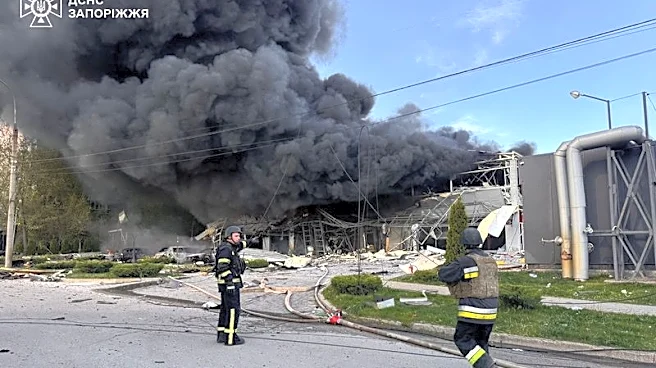
The potential involvement of a U.S. delegation in Moscow signifies a significant diplomatic effort to resolve a conflict that has resulted in substantial loss of life and economic strain. The war has been Europe's deadliest since World War II, with tens of thousands of soldiers reportedly dying each month. A successful negotiation could lead to a reduction in hostilities and pave the way for a more stable geopolitical environment in Eastern Europe. The ceasefire and potential talks also highlight the role of the U.S. as a mediator in international conflicts, which could influence future diplomatic engagements.
What's Next?
If the ceasefire holds and negotiations proceed, there could be a shift towards a more permanent resolution to the conflict. However, significant challenges remain, particularly regarding territorial disputes in the Donbas region. The outcome of any negotiations will likely depend on the willingness of both Russia and Ukraine to compromise on key issues. The international community, including European nations, will be closely monitoring the situation, as the resolution of this conflict could have broader implications for regional security and international relations.