


What's Happening?
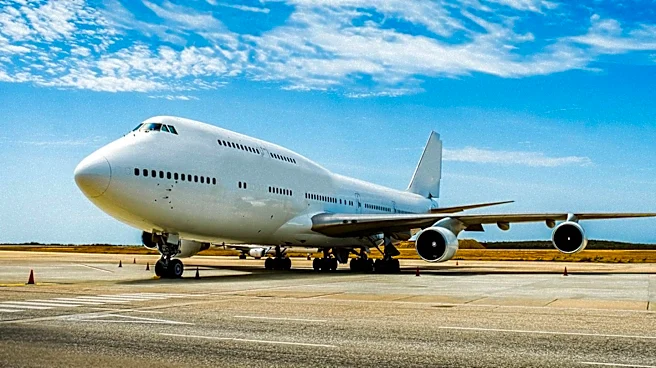
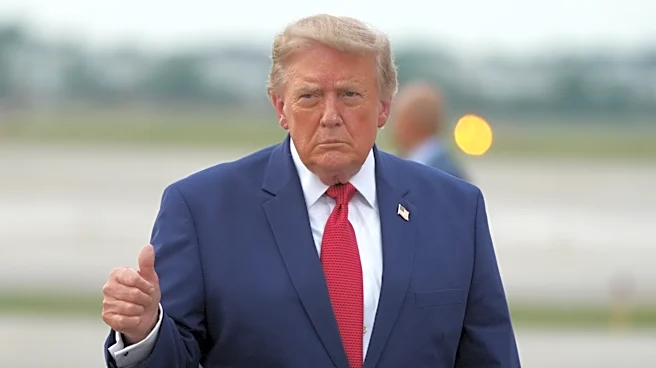
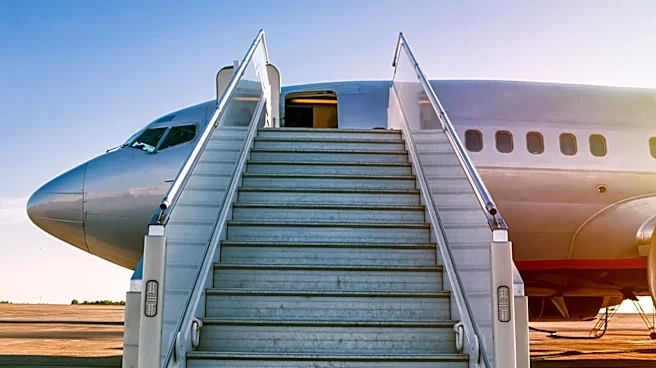
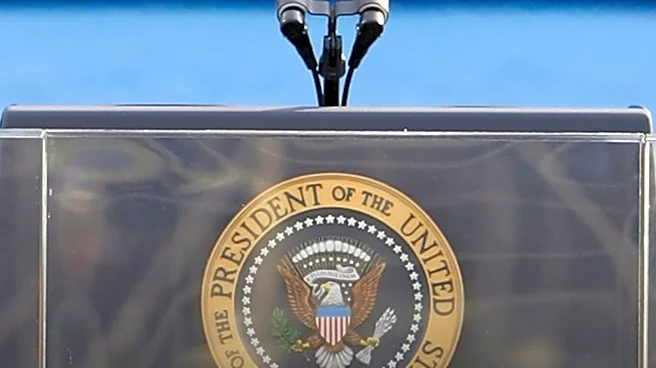
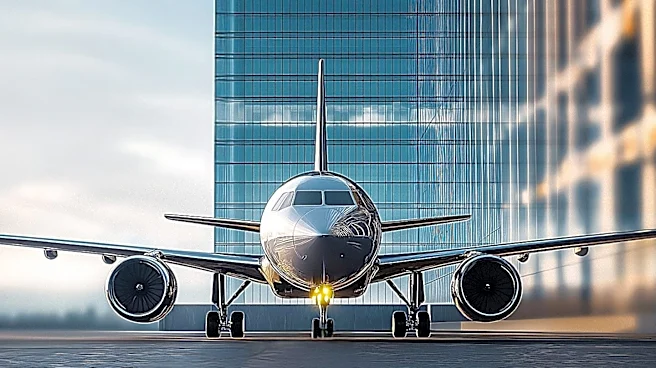
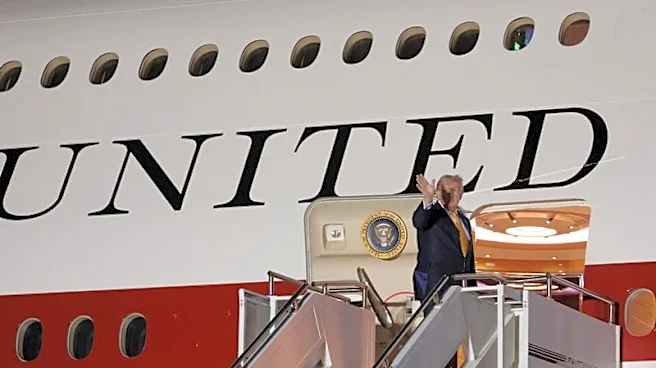
President Donald Trump recently employed a security ruse involving Air Force One during his return from a NATO summit in Ankara, Turkey. According to reports, Trump secretly boarded a second plane, the C-32A, accompanied by Defense Secretary Pete Hegseth
and a few aides, while other Cabinet members, including Secretary of State Marco Rubio and Treasury Secretary Scott Bessent, remained on the original Air Force One. This move was reportedly in response to assassination threats, with the Secret Service and military advising the switch for safety reasons.
Why It's Important?
The use of a decoy plane for the President underscores the serious security threats faced by high-profile political figures. Such measures highlight the lengths to which security agencies go to protect national leaders, reflecting the complex security environment in which they operate. The incident also raises questions about transparency and the potential risks to those left on the decoy plane, including journalists and officials. This situation illustrates the delicate balance between ensuring safety and maintaining public trust.
What's Next?
The revelation of this security maneuver may prompt discussions about the protocols for protecting the President and other high-ranking officials. It could lead to a review of current security practices and possibly more stringent measures in the future. Additionally, there may be calls for greater transparency in how such decisions are communicated to the public and those directly affected.