




What's Happening?
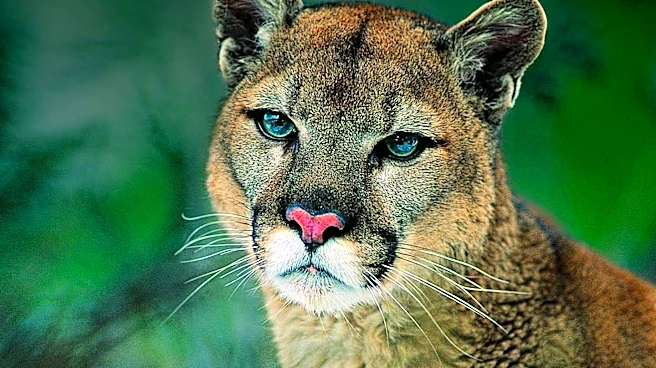
Montana Fish, Wildlife & Parks (FWP) has issued updated safety guidelines for residents and visitors following a reported mountain lion attack on a pet in Neihart. Dave Hagengruber, Montana FWP Region 4 communications director, emphasized that while mountain lions
are generally elusive and avoid human contact, encounters can occur, and knowing how to react is crucial for the safety of people and pets. Pets are particularly vulnerable as their size can make them potential prey. Hagengruber advises keeping pets indoors, close to the house, or under strict control when outdoors to minimize risk. Mountain lions are often drawn to areas with a high deer population, their primary food source, meaning they can be found in various environments, not just deep wilderness. They are most active during dawn, dusk, and at night, coinciding with deer activity. Despite their widespread presence across Montana's mountainous, wooded, and foothill regions, direct sightings are uncommon. As hunting seasons begin and more people engage in outdoor activities like hiking and camping, FWP recommends precautions similar to those for bear encounters.
Why It's Important?
The issuance of mountain lion safety guidelines by Montana FWP is important for several reasons. Firstly, it directly addresses public safety concerns in areas where human and wildlife habitats increasingly overlap, a growing issue across many U.S. states. The incident in Neihart highlights the potential dangers to domestic animals and underscores the need for residents to be prepared. Secondly, the guidelines educate the public on responsible outdoor behavior, promoting coexistence with wildlife by minimizing attractants and understanding animal behavior. This is crucial for maintaining ecological balance and preventing unnecessary conflicts. Thirdly, as more people seek recreation in natural environments, these guidelines help ensure that outdoor enthusiasts, including hunters, hikers, and campers, can safely enjoy Montana's wilderness while respecting its native predators. The advice to treat mountain lion encounters similarly to bear encounters suggests a comprehensive approach to wildlife safety, acknowledging the presence of large predators in the ecosystem.
What's Next?
Montana Fish, Wildlife & Parks will continue to monitor mountain lion activity and respond to reports of encounters or attacks. The agency will likely reiterate and disseminate these safety guidelines through various channels, especially as more people engage in outdoor activities during hunting seasons and recreational periods. Educational efforts may include public service announcements, informational brochures, and community meetings to ensure residents and visitors are well-informed about how to prevent encounters and what to do if one occurs. FWP may also conduct further research into mountain lion behavior and population dynamics in areas of increased human-wildlife interaction to refine their management strategies. The goal is to foster a safe environment for both humans and wildlife, adapting to changing ecological and demographic patterns.
Beyond the Headlines
The mountain lion safety guidelines in Montana reflect a broader ecological challenge faced by many U.S. states: managing human-wildlife coexistence in increasingly fragmented landscapes. As urban and suburban areas expand into natural habitats, encounters with apex predators like mountain lions become more frequent, raising complex questions about conservation, public safety, and land use. This situation highlights the ethical responsibility of humans to understand and adapt to the presence of wildlife, rather than solely seeking to control it. The advice to 'make yourself appear larger' and 'make noise' in an encounter is not just practical safety advice but also a symbolic reminder of the need to assert human presence without aggression, fostering a respectful distance. This ongoing dynamic between human development and wildlife preservation will continue to shape environmental policies and community planning across the nation, emphasizing the importance of education and proactive measures to mitigate conflict.