






What's Happening?
Mexico's tourism industry experienced its strongest nine-month performance ever recorded between January and September 2026, welcoming 74.9 million international travelers. This represents a 5.6% year-over-year increase. Visitor spending reached $26.09
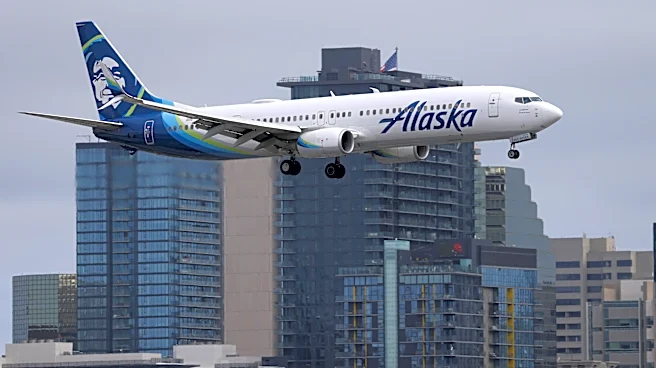
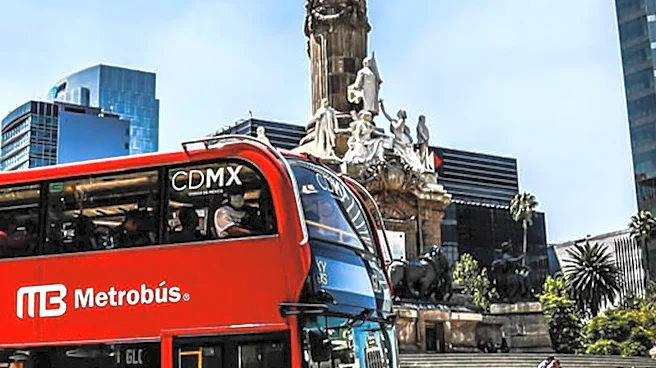
billion during this period, with five key tourism indicators simultaneously hitting all-time highs for the first time in over 26 years, according to Tourism Secretary Josefina Rodríguez Zamora. The country saw a 12.3% surge in cruise arrivals and launched 32 new domestic and 22 international air routes. A significant factor contributing to this growth was Mexico's role as a co-host of the 2026 FIFA World Cup, alongside the United States and Canada, which led to substantial visitor surges in host cities like Mexico City, Guadalajara, and Monterrey. Official projections estimate an additional 5 million World Cup-linked tourists. The tourism ministry has also implemented a diversification strategy to reduce its traditional reliance on U.S. visitors, expanding its presence at international trade fairs in European, Asian, and Latin American markets.
Why It's Important?
This record-breaking performance in Mexico's tourism sector holds significant implications for its economy and international standing. The diversification strategy, moving away from heavy dependence on U.S. travelers, could provide greater stability and resilience against potential bilateral political turbulence or shifts in U.S. travel patterns. By targeting high-spending European and Latin American markets, Mexico aims to increase the economic impact per visitor. The success of the 2026 FIFA World Cup as a catalyst for tourism and air connectivity expansion demonstrates the potential for major international events to drive economic growth and infrastructure development. Achieving the government's objective of becoming one of the world's top five most-visited countries by 2030 would enhance Mexico's global reputation and economic influence, potentially attracting further foreign investment and fostering job creation within the tourism and related sectors. This growth also highlights the increasing appeal of Mexico's cultural tourism, with archaeological sites and events like Día de Muertos drawing significant international attention.
What's Next?
Mexico is positioned to surpass the 48 million overnight tourists recorded in 2025, continuing its upward trajectory in international arrivals. The government's stated goal is to secure a spot among the world's top five most-visited countries by 2030. To achieve this, the tourism ministry is expected to continue its diversification efforts, further expanding its reach into new international markets and promoting high-value cultural tourism. The ongoing development of infrastructure, such as the Tren Maya, will likely play a crucial role in enhancing accessibility to various attractions and distributing tourism benefits across different regions. The success of the World Cup co-hosting experience may also encourage Mexico to pursue bids for other major international events, leveraging its proven capacity to handle large influxes of visitors and expand its air connectivity. Continued monitoring of international air arrivals, which saw a slight decline despite overall growth, will be important for future strategic adjustments.
Beyond the Headlines
The strategic shift away from U.S. dependency in Mexico's tourism sector reflects a broader trend among nations seeking to diversify their economic partnerships and reduce vulnerability to single-market fluctuations. This move could foster stronger diplomatic and economic ties with a wider array of countries, potentially leading to increased cultural exchange and mutual understanding. The emphasis on cultural tourism, including archaeological sites and traditional celebrations, underscores the growing global appreciation for authentic cultural experiences and sustainable tourism practices. This approach not only boosts the economy but also helps preserve and promote Mexico's rich heritage. The success of large-scale events like the FIFA World Cup in driving tourism highlights the complex interplay between sports, culture, and national development, demonstrating how such events can serve as powerful engines for economic and social progress beyond their immediate sporting context.