

What's Happening?
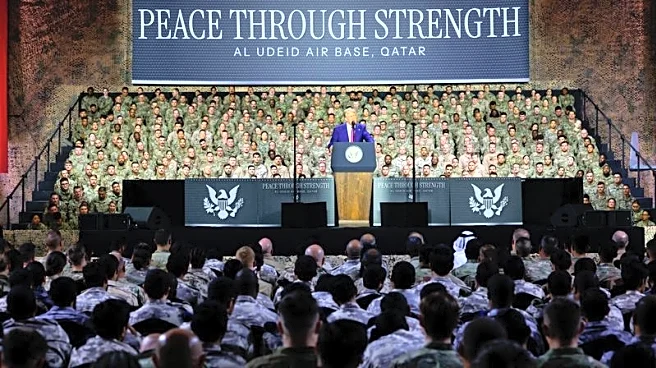
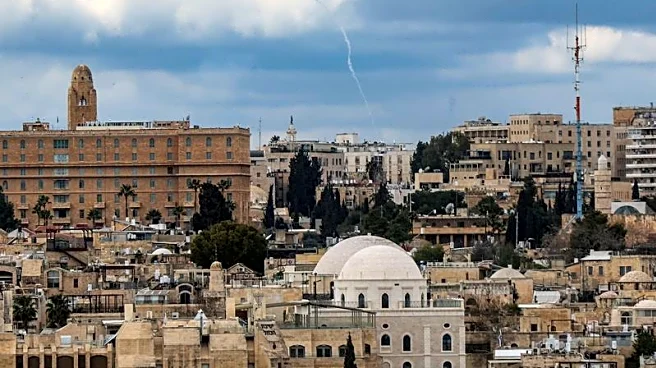
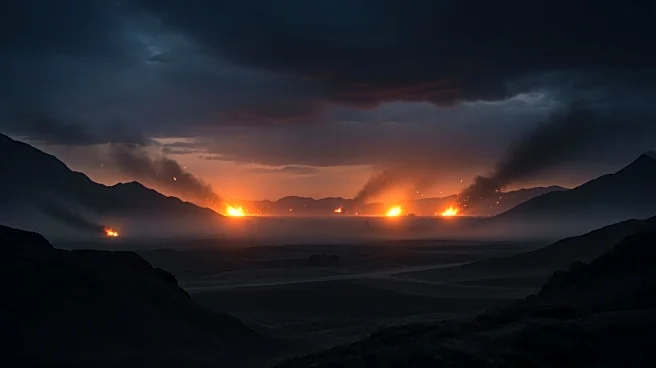
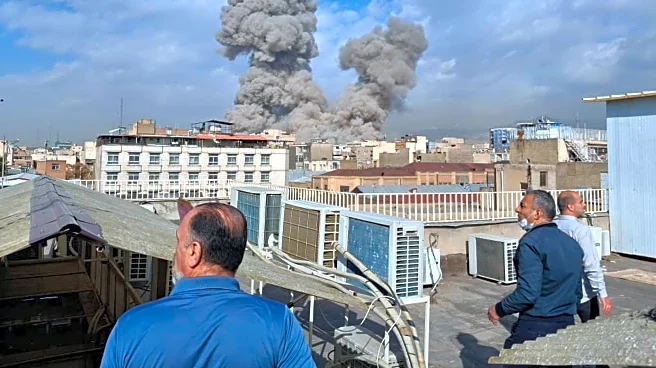
The United States and Israel launched military strikes on Iran, leading to significant disruptions in air travel across some of the world's busiest airspaces. The strikes prompted Iran, Iraq, Kuwait, Bahrain, and Qatar to close their airspaces, causing
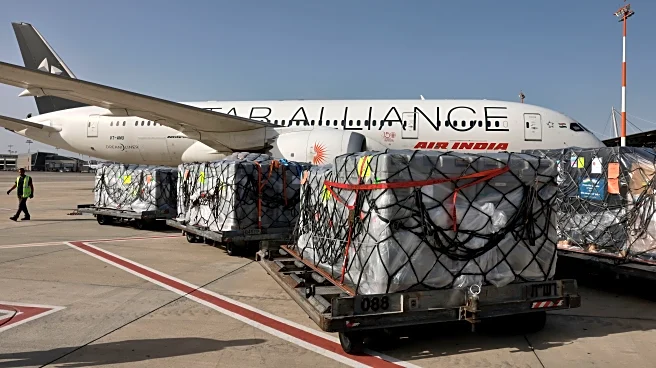
airlines to cancel or reroute flights. Major Middle Eastern airlines such as Qatar Airways, Etihad Airways, and Emirates, which operate key hubs in the region, have been heavily affected. These airlines collectively handle about 90,000 transiting passengers daily. The closures have led to the cancellation of approximately 870 out of 3,400 scheduled flights. Emirates has suspended all flights to and from Dubai, while Qatar Airways and Etihad Airways have also halted operations temporarily. The disruptions have forced airlines to reroute flights over Saudi Arabia or avoid the region entirely, incurring additional costs for fuel and labor.
Why It's Important?
The airspace closures and flight cancellations have significant implications for global air travel, particularly affecting routes between Europe and Asia. The disruptions could lead to increased operational costs for airlines due to longer flight paths and additional fuel consumption. Passengers face delays and potential financial losses, while airports may become overwhelmed with diverted flights. The situation highlights the vulnerability of international travel to geopolitical tensions and military actions. The ripple effect of these disruptions could impact global supply chains and business operations, as the affected airlines are crucial connectors for international travel and commerce.
What's Next?
Airlines and passengers are advised to monitor the situation closely as it develops. The affected airlines are in communication with relevant authorities to assess when normal operations can resume. Further disruptions are possible if tensions escalate or if additional military actions occur. Airlines may need to adjust their flight schedules and routes in response to ongoing geopolitical developments. Passengers are encouraged to check flight statuses and consider alternative travel arrangements if necessary.