

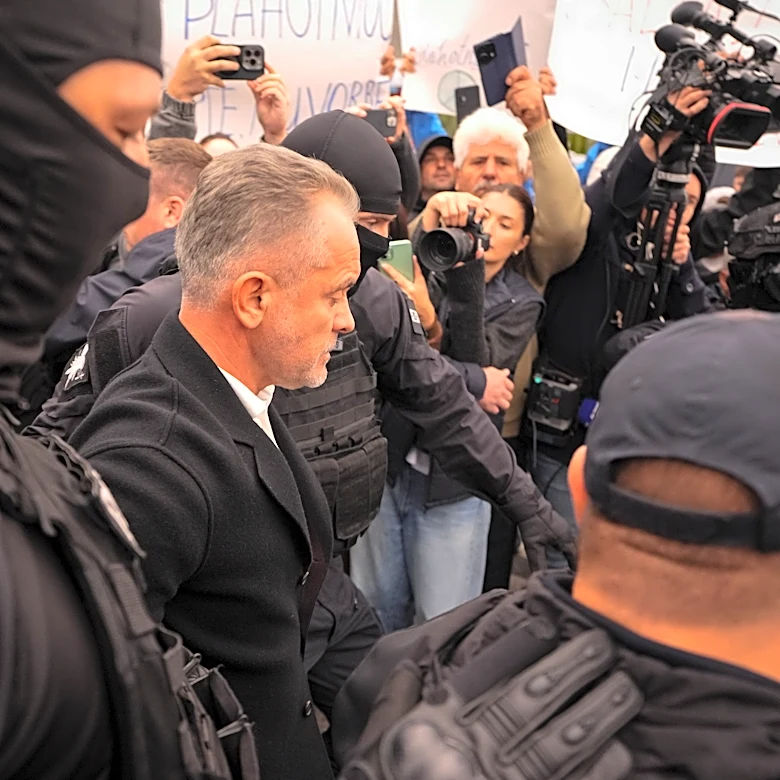







What's Happening?
Hundreds of demonstrators have gathered at the Horev junction in Haifa and the Karkur junction to protest against the government and the ongoing war. The protests reflect growing public discontent with the government's policies and the continuation of military
actions. Demonstrators are voicing their opposition to the current administration's handling of the conflict, calling for an end to hostilities and a shift towards peaceful resolutions. The protests are part of a larger movement within the country, where citizens are increasingly vocal about their dissatisfaction with the government's approach to the conflict.
Why It's Important?
The protests in Haifa and Karkur signify a significant level of public dissent against the government's policies, particularly regarding the continuation of military actions. This public unrest could influence political dynamics within the country, potentially leading to policy changes or shifts in government strategy. The demonstrations also highlight the broader societal impact of prolonged conflict, as citizens demand accountability and a focus on peace. The government's response to these protests will be crucial in determining the future political landscape and its ability to address the concerns of its citizens.
What's Next?
The government may face increasing pressure to address the concerns raised by protesters, potentially leading to policy reviews or changes in military strategy. Political leaders might engage in dialogue with protest organizers to seek a resolution and prevent further unrest. The continuation of protests could also influence upcoming elections or political campaigns, as candidates may need to address these issues to gain public support. The situation remains fluid, and the government's actions in response to the protests will be closely watched by both domestic and international observers.