




What's Happening?
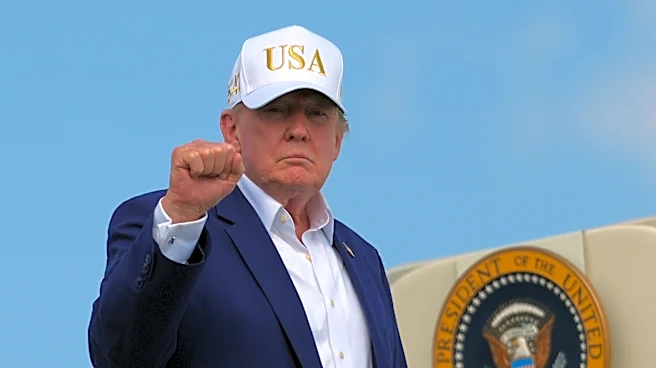
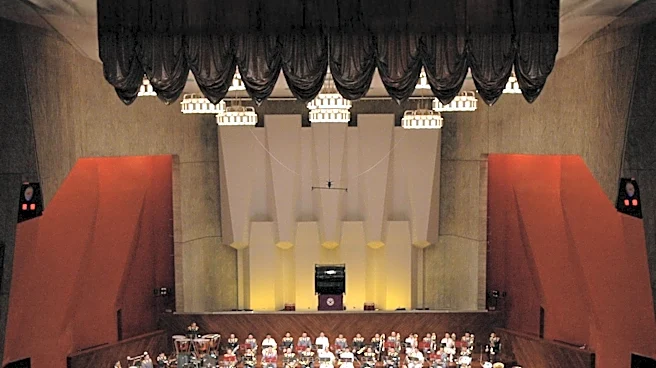
The Kennedy Center has been ordered to pay over $250,000 in legal fees to jazz musician Chuck Redd. This follows a lawsuit where Redd was sued for backing out of a performance after the center added President Trump's name to its title. The court ruled
in favor of Redd, citing the D.C. Anti-SLAPP Act, which protects individuals from lawsuits that aim to silence their free speech. The Kennedy Center plans to appeal the decision, arguing the costs are disproportionate.
Why It's Important?
This case highlights the intersection of arts, politics, and free speech. The ruling supports artists' rights to express political dissent without facing legal repercussions. It also raises questions about the implications of naming rights and the influence of political figures on cultural institutions. The outcome could set a precedent for similar cases, affecting how arts organizations navigate political affiliations and artist contracts.
What's Next?
The Kennedy Center's decision to appeal suggests ongoing legal battles, which could further define the boundaries of free speech and contractual obligations in the arts. The appeal process will be closely watched by legal experts, artists, and cultural institutions. The case may influence future policies regarding naming rights and artist agreements, potentially impacting how cultural organizations engage with political figures.